
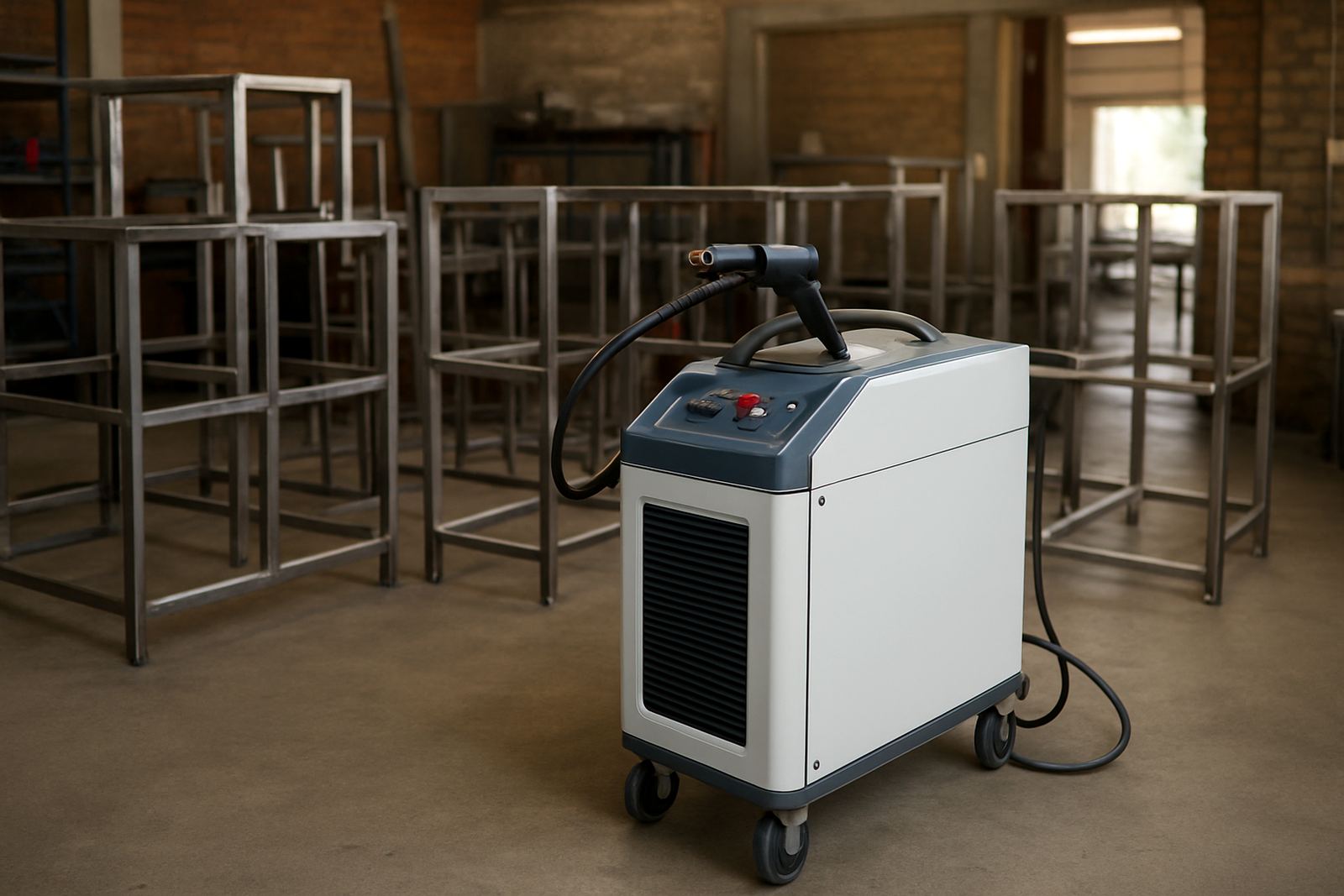
What the integrated chiller welder does on the shop floor
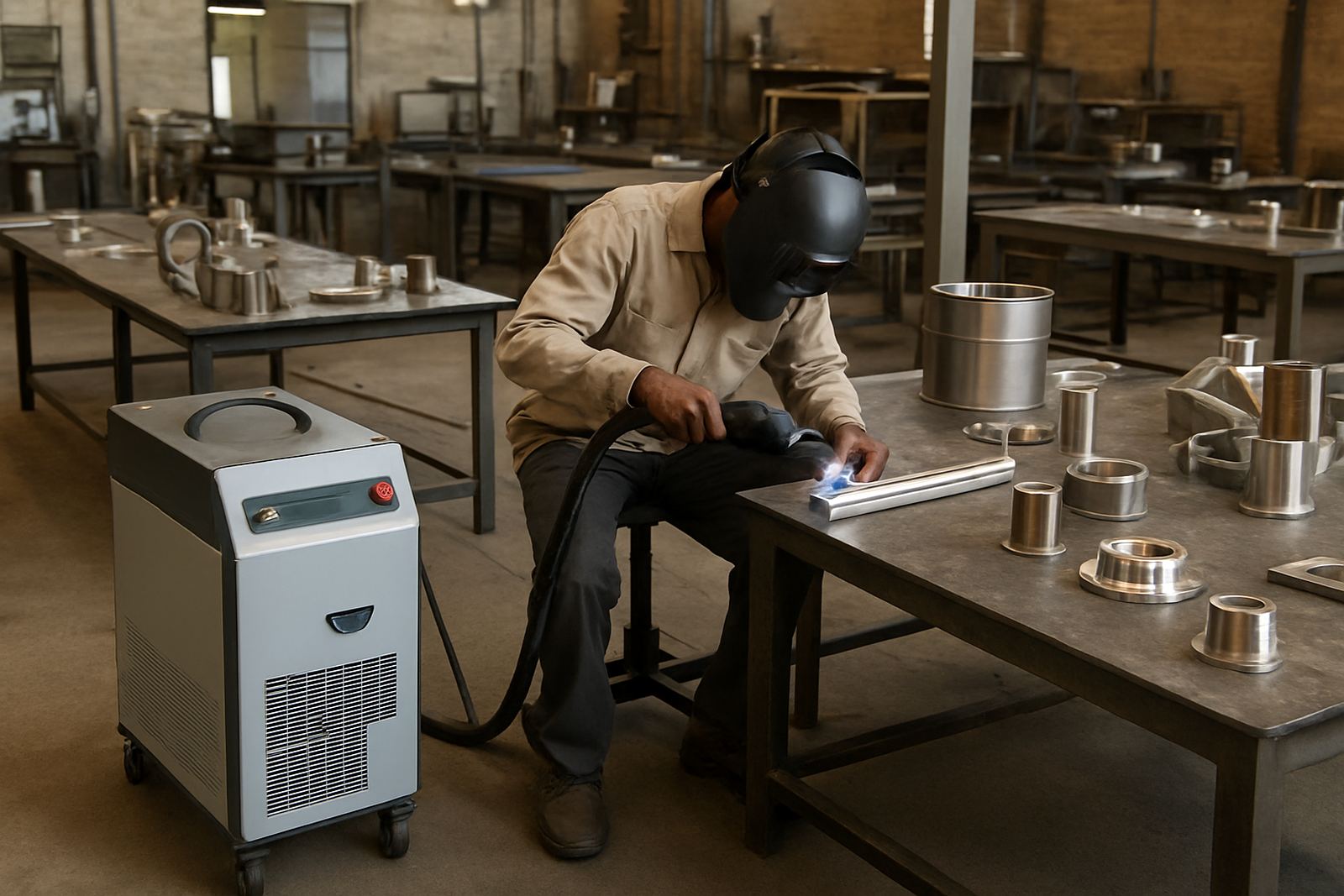
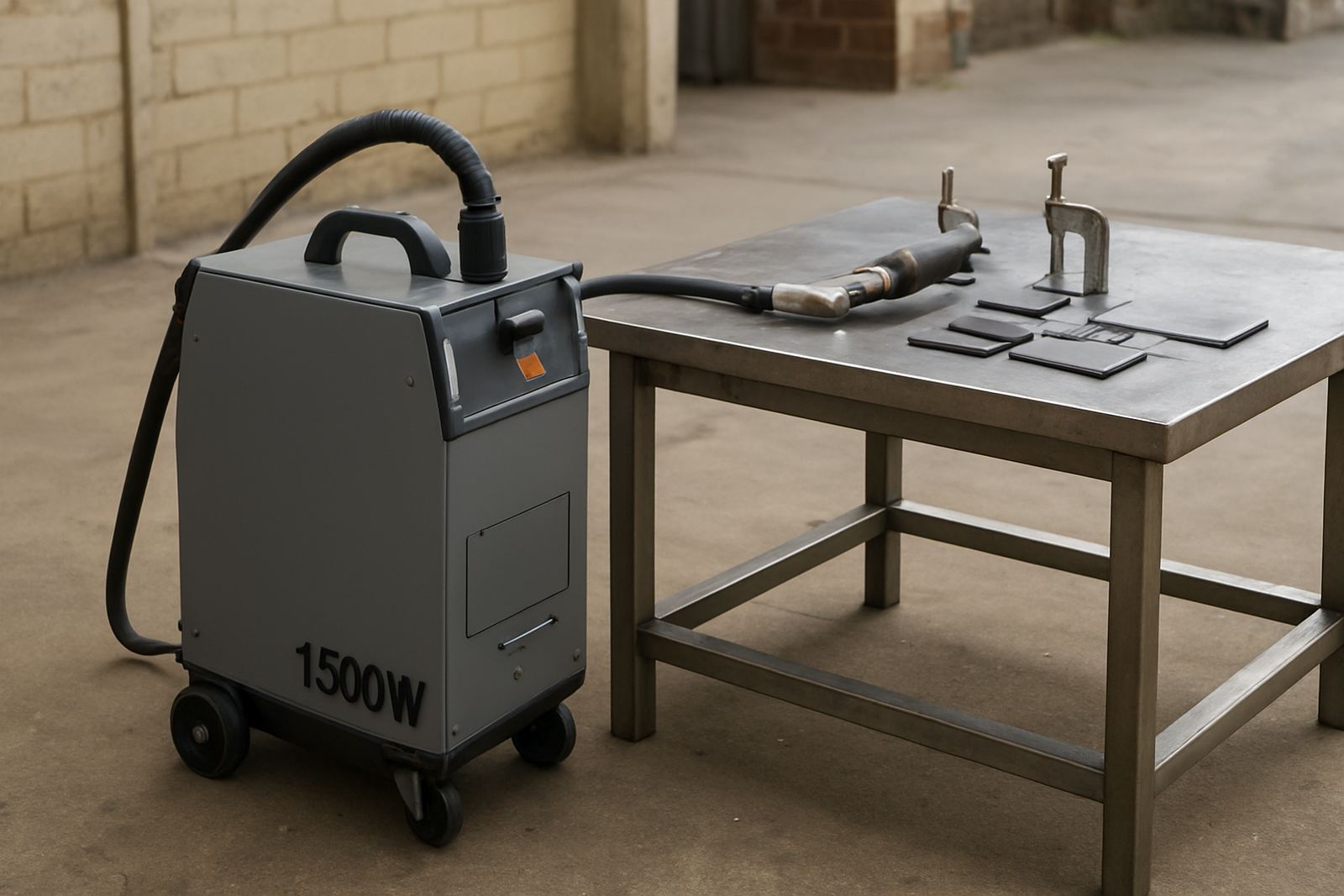
This machine combines the handheld fibre laser welding source and the water cooling system in one cabinet, so you do not need a separate chiller unit taking up floor space. For many fabrication shops in Spartan, Kempton Park, Isando and the wider Ekurhuleni area, that matters because workshop layouts are tight and every metre counts.
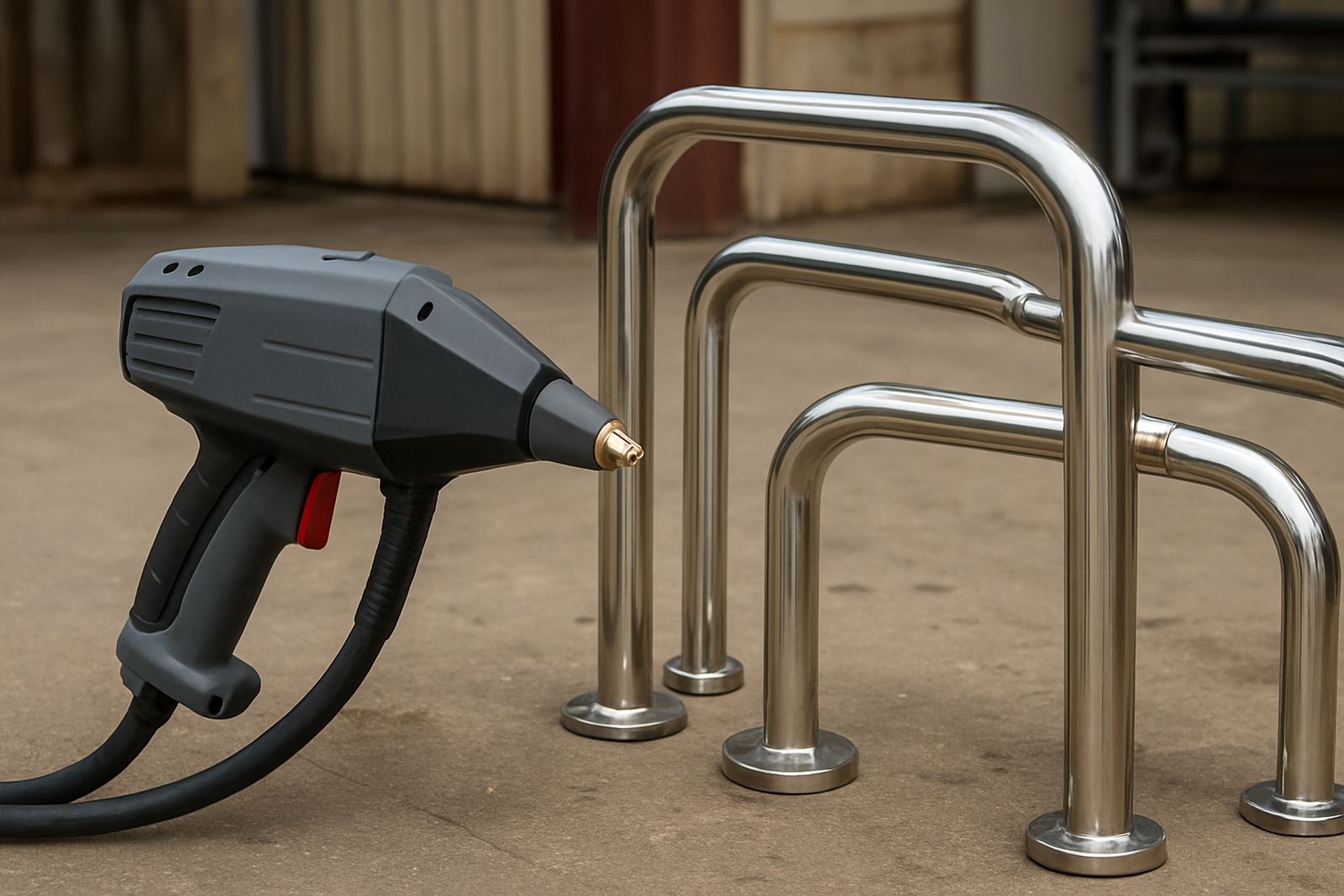
It is built for stainless steel work where clean seams, low distortion and quick turnarounds are important. The handheld torch is light to guide, so operators can move between brackets, tanks, frames, covers and guards without setting up large fixed jigs for every small job. The finish is tidy and the heat affected zone is smaller than with many conventional methods, which helps when appearance and post weld cleaning matter.
- All in one cabinet for simpler placement
- Handheld welding head for flexible use on varied jobs
- Suitable for small shops and higher output lines
- Useful where space, power stability and clean working matter
Typical sizes and power options for local workshops
Integrated chiller welders are usually selected by laser output rather than physical size alone. The right option depends on material thickness, joint type and how fast you need to work. For lighter stainless work, a lower power unit can cover thin sheet and finer assemblies. For heavier fabrication, a higher power unit gives more speed and better penetration on thicker sections.
As a guide, many South African shops look at 1 000 W, 1 500 W, 2 000 W and 3 000 W class machines. The cabinet footprint is compact compared with a separate water chiller setup, so it suits shared bays and production floors where forklifts, gas bottles and prep tables already compete for space. A small slip in planning here can slow a whole line, so it pays to match the machine to the real job mix rather than the biggest brochure number.
- 1 000 W for fine stainless sheet and lighter fabrication
- 1 500 W for general workshop welding and moderate thicknesses
- 2 000 W for faster production work and broader material ranges
- 3 000 W for heavier duty stainless jobs and higher throughput
Where this machine suits best
This type of welder suits stainless steel fabricators who need speed without losing control. It is a practical fit for kitchen equipment makers, tank and vessel shops, balustrade fabricators, custom enclosures, medical and laboratory metalwork, food grade equipment and general stainless manufacturing. If you work in a coastal area like Durban or Gqeberha, the clean finish and reduced rework can help when surface quality is affected by humidity and contamination.
It also suits workshops that run mixed production, where one day is brackets and the next is larger assemblies. The handheld approach makes it easier to tackle repair work and one off pieces, while still supporting repetitive production when a sequence is established. Municipal and site requirements can vary, so shops doing contract work often appreciate a machine that can be rolled into a bay and put to work with minimal fuss.
- Stainless steel fabrication and repair
- Light to medium production environments
- Workshops with limited floor space
- Sites needing cleaner welds and less finishing time
Installation, power supply and gas needs
Installation should be planned around power quality, cable routing, ventilation and safe bottle placement. Most integrated chiller welders need a stable electrical supply, with the exact input depending on the selected power rating. In many workshops, a 3 phase supply is preferred for consistent performance, especially where load-shedding recovery and starting surges can affect other plant equipment.
The machine usually runs with shielding gas for stainless work, commonly argon or an approved mix depending on the process being used. Keep the gas line short and well secured, and make sure the workspace allows enough room for torch movement, component loading and cooling air around the cabinet. Floor surfaces should be level, and the unit should not be placed where dust, grinding sparks or damp conditions can get into the cooling section.
- Check available mains supply before ordering
- Allow enough space for cable, torch and gas routing
- Use a clean, dry area away from heavy grinding dust
- Plan for gas bottle storage that meets site safety rules
Care, servicing and daily checks
Daily care is straightforward but important. Check the water level, inspect hoses, confirm the torch is clean and make sure the lenses and protective glass are in good condition before starting the shift. A blocked nozzle or dirty optic can affect weld quality quickly, and then operators start chasing faults that were avoidable.
For ongoing reliability, preventive maintenance should include cooling system checks, electrical inspection, torch wear checks and cleaning around the cabinet vents. In busy fabrication shops, especially where grinding and polishing happen nearby, dust build-up can creep in faster than expected. Regular servicing also helps keep output stable when the machine is used for long production runs. Our team supports commissioning, remote help, breakdown response and refresher training so your crew keeps the unit working as intended.
- Check coolant level and flow daily
- Inspect torch consumables and lenses regularly
- Keep vents and filters clean
- Schedule servicing before faults become downtime
What to confirm when ordering your unit
Before placing an order, confirm the material thicknesses you weld most often, the joint styles you use, your daily output target and the space available for the cabinet. It also helps to know whether you will use the machine mainly for production, repair work or both. If you are welding in a workshop that sees frequent power interruptions, ask how the machine should be protected on site and what supply conditions it needs for dependable operation.
You should also check torch reach, available nozzles, training needs and the spares and consumables you will want to keep on hand. A good match at the start saves time later, especially when the machine is expected to move between batches or be rolled out across multiple bays. Our demos in Spartan, Kempton Park, Isando, Jet Park, Edenvale, Germiston, Boksburg and Alberton help fabricators compare options before they commit.
- Material type and thickness range
- Required output, duty cycle and shift pattern
- Workshop power supply and breaker capacity
- Training, spares and service support needs
Key facts
| Machine type | Integrated fibre laser welder with built in chiller |
|---|---|
| Power options | 1 000 W, 1 500 W, 2 000 W, 3 000 W class units |
| Cooling | Water cooled system inside the main cabinet |
| Welding mode | Handheld fibre laser welding |
| Best suited materials | Stainless steel fabrication and repair |
| Typical support | Commissioning, operator training, maintenance and spares support |