
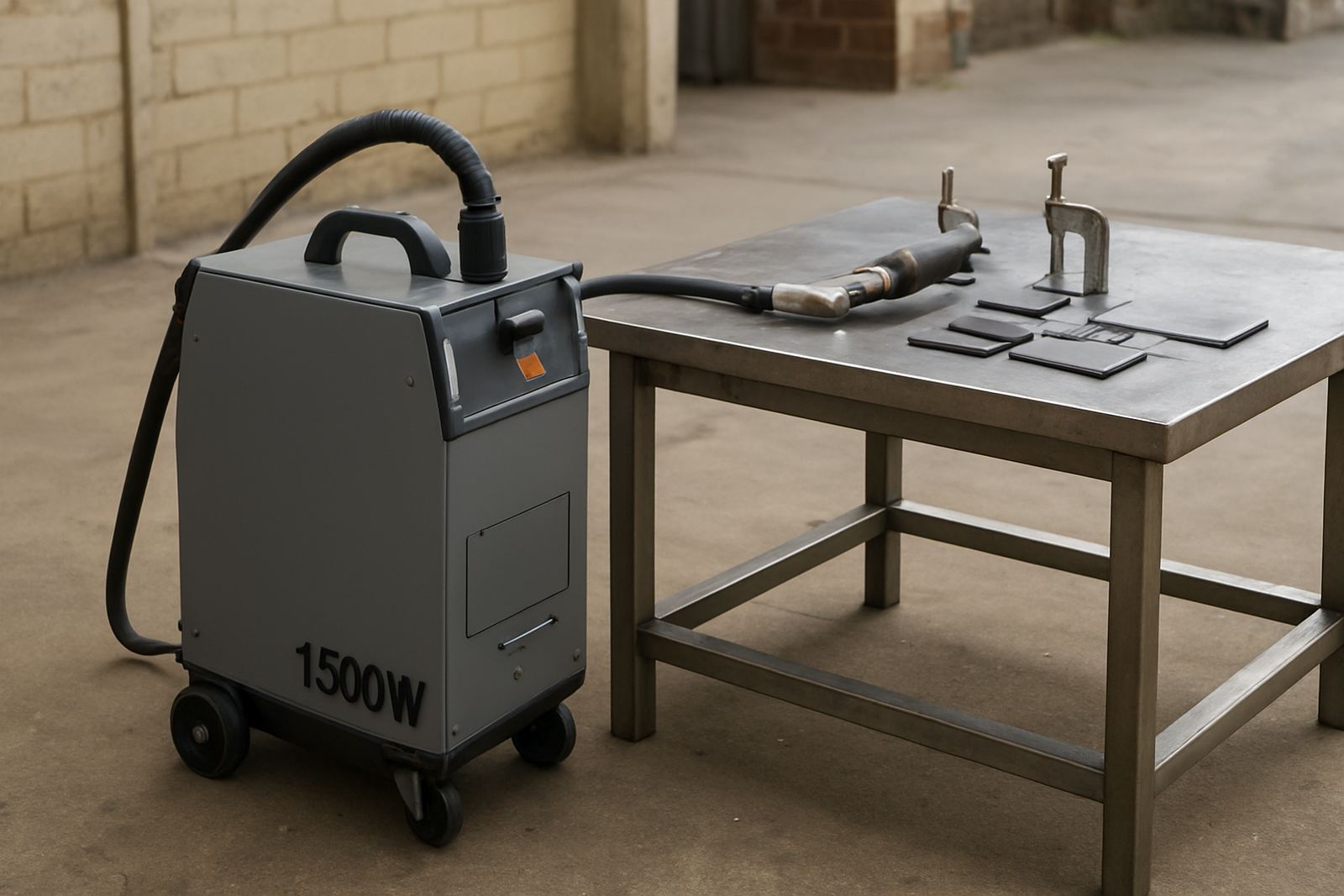
What the 1500W Handheld Welder is built for
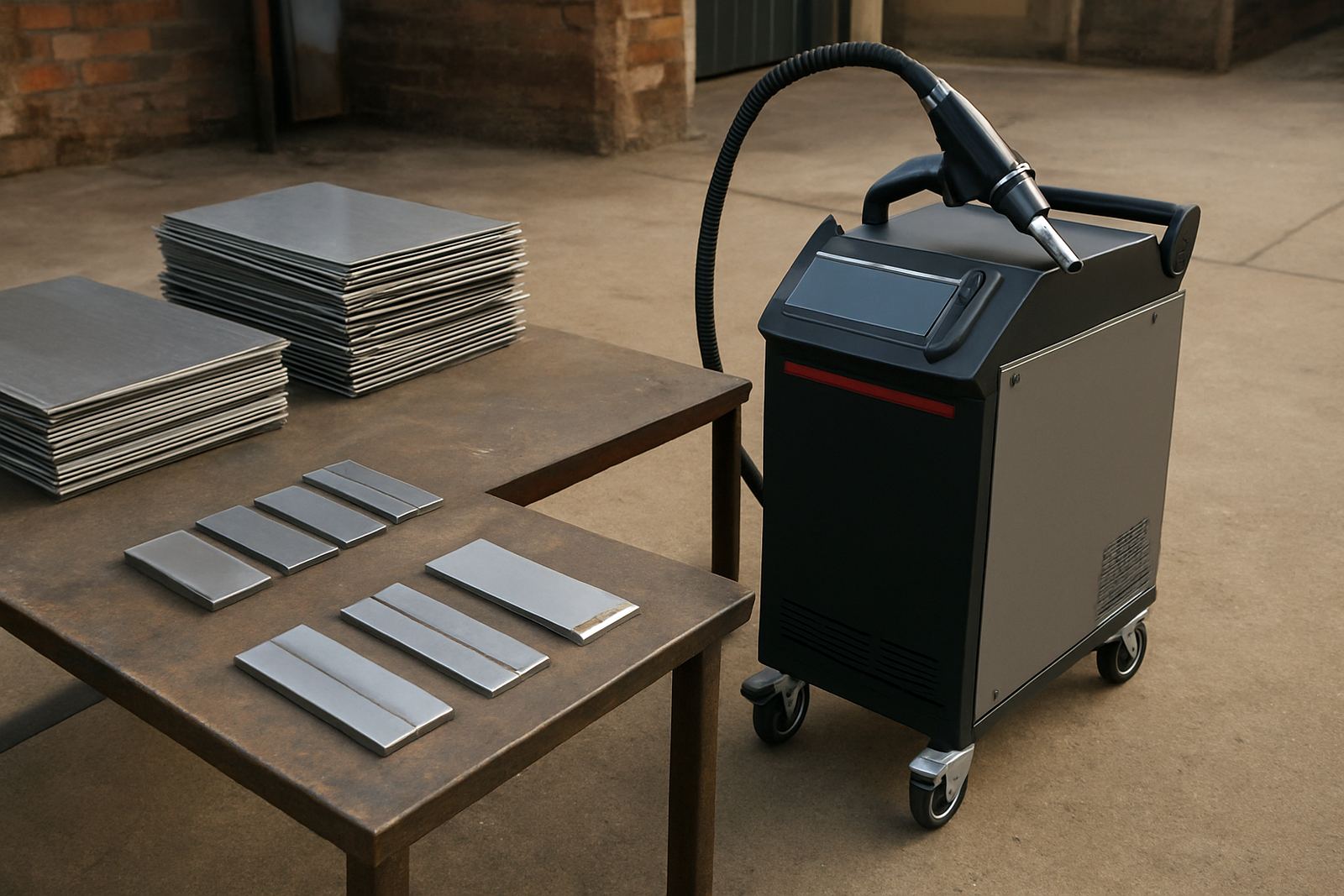
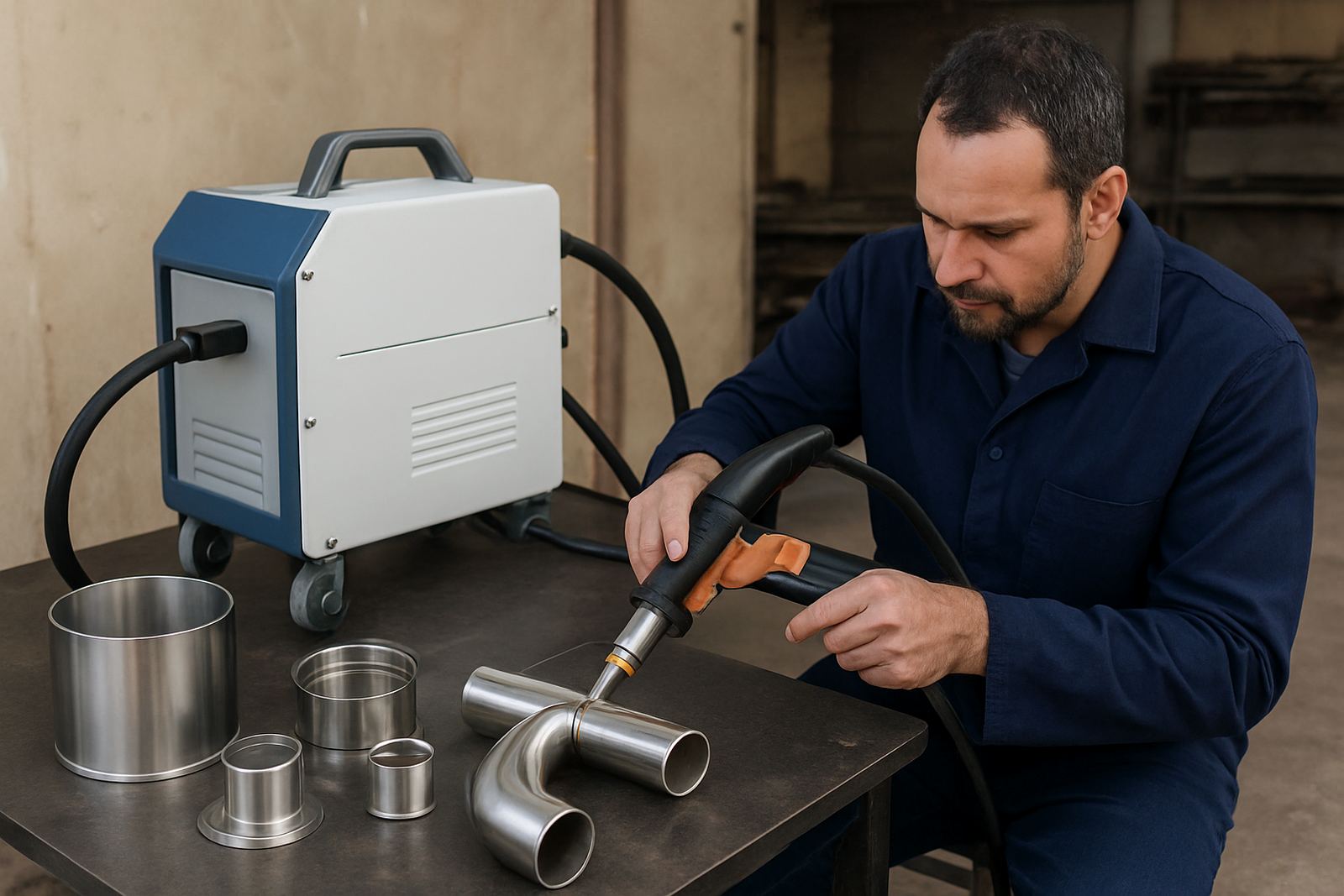
This unit is set up for fabricators who want cleaner stainless steel welds without the slow grind of traditional finishing. It gives a focused laser arc for joining 0.8 mm to around 3 mm stainless steel in many day to day jobs, with less distortion and a smaller heat affected zone than older manual methods. For small shops in Kempton Park, Germiston or Boksburg, that can mean fewer reworks and a neater handover to the client.
It is a good fit for light to medium fabrication where appearance matters, especially when you are welding visible seams, frames, covers, ducting and fabricated components that must look tidy straight off the torch. The operator controls the weld with a handheld head, so it feels familiar, yet the process is quicker once the settings are dialled in.
- Best for stainless steel fabrication work
- Useful for clean, visible welds with less post finish work
- Suitable for workshops moving from manual welding to laser assisted production
Available setup and working range
For most South African workshops, the 1500W class is the entry point that still gives proper production value. It is commonly supplied as a machine package with a handheld welding head, cooling system, power supply, wire feed arrangement where required, and safety accessories. The exact arrangement can vary depending on the process setup and the type of work you are doing.
We help clients choose the right options for their material thickness, joint type and daily output. If you are running one welder in a smaller shop, the simple package may be enough. If you are doing repeat production, jigs and fixtures may also be worth planning from the start.
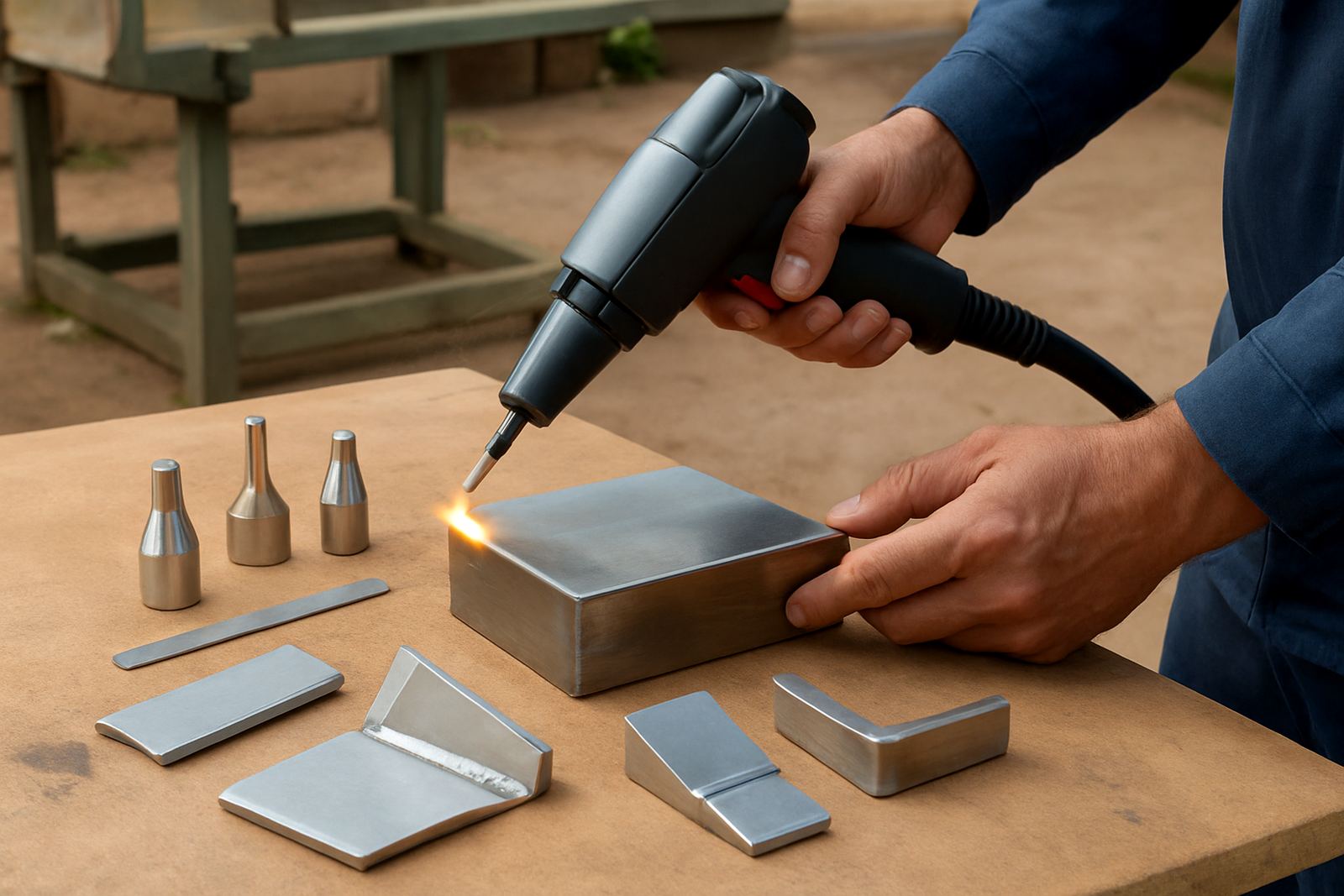
- Handheld welding head for manual control
- Typical use on stainless steel sheet, tube, covers and light structural items
- Options can be matched to shop flow and production volumes
Where it suits in day to day fabrication
This welder suits workshops doing stainless steel work for kitchens, abattoirs, general metalwork, food production equipment, architectural items and maintenance jobs. It also works well where the client expects a neat finish and you do not want a lot of grinding or polishing after welding. In coastal areas like Durban, Gqeberha and the South Coast, stainless steel jobs often need a cleaner controlled weld to help keep corrosion issues down over time.
Smaller fabrication shops often use it for one off repairs and small batches. Larger plants use it for detail work, touch up welding and production items where speed matters. It can help when load shedding interrupts schedules, because the unit is more efficient than many older processes and can reduce the time each operator spends at the machine.
- Ideal for visible stainless steel seams and finish work
- Useful for repair, production and short run fabrication
- Good fit for workshops that need faster turnaround and less rework
Power, shielding gas and installation items to plan for
Before ordering, check what power supply you have on site and whether your workshop can support the unit safely. In many cases the machine is installed on a suitable three phase supply, with proper earthing and breaker protection. If your shop in Spartan, Isando or Jet Park has voltage dips or unstable supply, it is worth planning around that early. A clean, well protected electrical feed makes the machine easier to run and helps avoid nuisance trips.
For stainless steel welding, shielding gas is normally required and the right gas flow matters. Your gas setup should be planned for hose routing, bottle storage, regulator access and safe cylinder handling. Keep the welding area clear, dry and well ventilated. If you are running a tight production line, place the machine where the operator can work without dragging cables across walkways or around moving stock.
- Check site power supply and breaker capacity before delivery
- Plan gas storage, hose length and safe cylinder handling
- Allow enough space around the unit for cooling and access
Care, maintenance and operator upkeep
The 1500W handheld unit needs sensible daily care rather than complicated servicing. Keep the lens and consumable parts clean, inspect cables and hoses before shifts, and make sure the cooling system has the correct fluid level and flow. Dust, metal fines and workshop grime can build up quickly in local fab shops, so regular cleaning goes a long way.
Routine maintenance works best when it is planned before a laser welder brings stainless production to a stop. That includes checking the torch head, wire feed path if fitted, cooling lines, and any safety interlocks. If you run the machine hard through the week, book routine inspections so small issues do not turn into breakdowns. We support breakdown response, preventive maintenance and remote help if you need advice on site. A quick check today often saves a long stoppage tomorrow.
- Daily cleaning of optics, nozzle and working area
- Check coolant, hoses, earth connection and wear parts
- Schedule servicing before a busy production run
What to verify when you submit your order
When you enquire, have the material type, thickness range, joint style and daily output target ready. That helps us match the machine package to your actual work. If you are producing stainless steel handrails, food grade frames or sheet assemblies, the right setup may differ from a repair unit used for one off site work. Tell us if your workshop is in an industrial area with limited space, overhead cranes, or if you need mobile delivery and commissioning at your premises.
It also helps to know who will operate the machine, because training needs can vary from a single owner operator to a full workshop team. We can assist with machine commissioning, operator training, process optimisation, production rollout and refresher training at fabrication shops nationwide. If you are not sure which option suits your shop, ask for a demonstration at one of our Spartan, Kempton Park or other local demo areas. We also arrange weld testing and can help you check whether the finish meets your client spec, which is useful before you commit to a full rollout.
- Material grade, thickness and joint type
- Power availability and gas setup on site
- Training needs, production volume and delivery location
Key facts
| Power output | 1500W |
|---|---|
| Process | Handheld fibre laser welding |
| Typical material | Stainless steel |
| Working range | Light to medium fabrication |
| Site power | Usually three phase supply with proper protection |
| Support | Commissioning, training, maintenance and breakdown response |