Built for lighter gauge stainless work
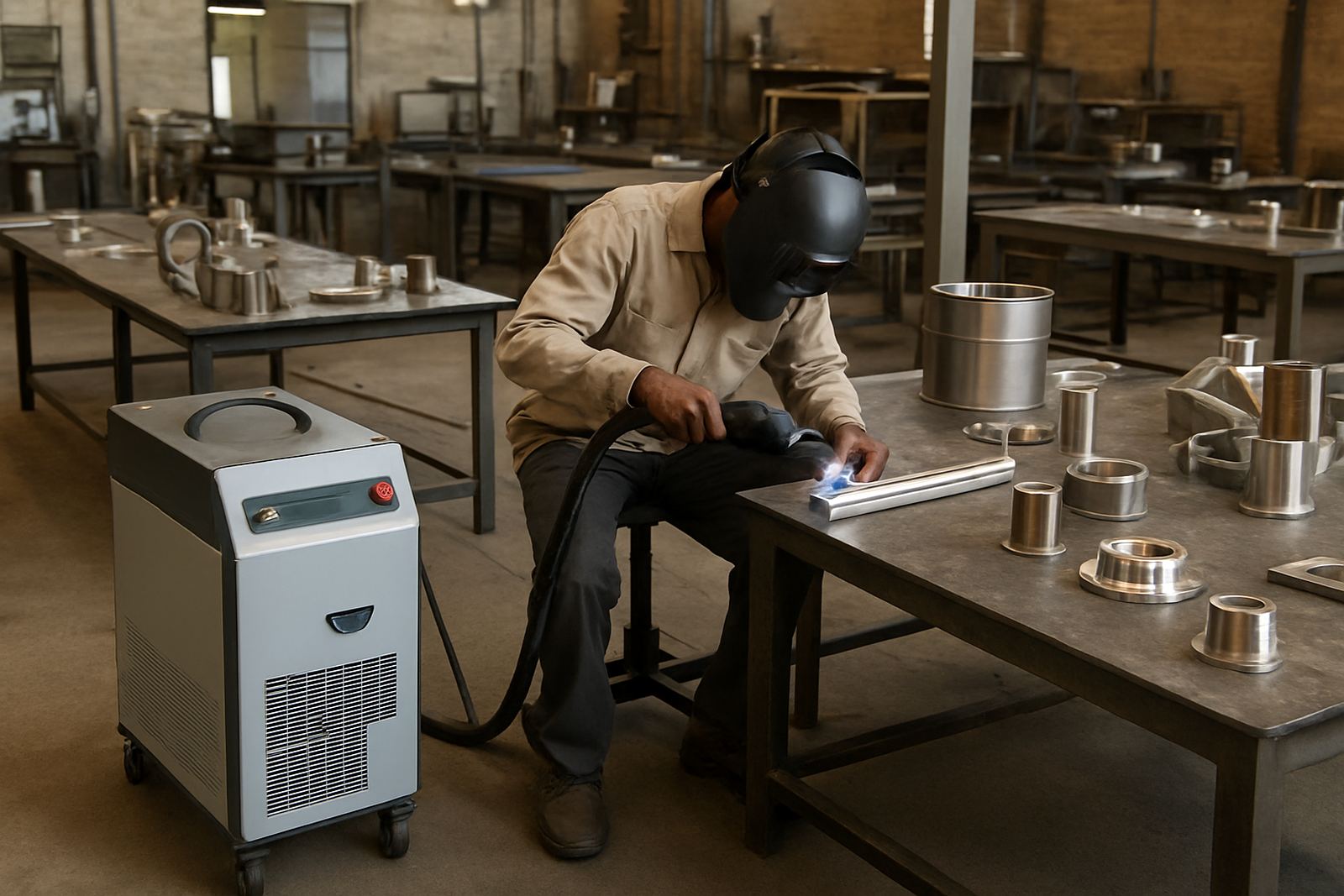
This model is configured for controlled heat input on thinner stainless steel, where distortion, burn-through and rework can cost time. It is used in shops that make kitchen fittings, ducting, food-grade panels, enclosures and slim fabrication parts that need a tidy finish straight off the tool.
The handheld torch gives the operator better control than standard high-heat welding on thin material, and that helps keep weld beads narrow and consistent. For stainless jobs from 0.8 mm to 3.0 mm, it gives fabricators a practical way to work faster without sacrificing the look of the job.
For busy workshops in Kempton Park, Jet Park, Isando and the wider Ekurhuleni area, that means fewer warped panels and less grinding afterwards.
Model sizes and working options
Thin sheet welders are supplied in output ranges that suit different shop volumes and sheet thicknesses. The right choice depends on your material mix, duty cycle and how many hours the machine will run each day.
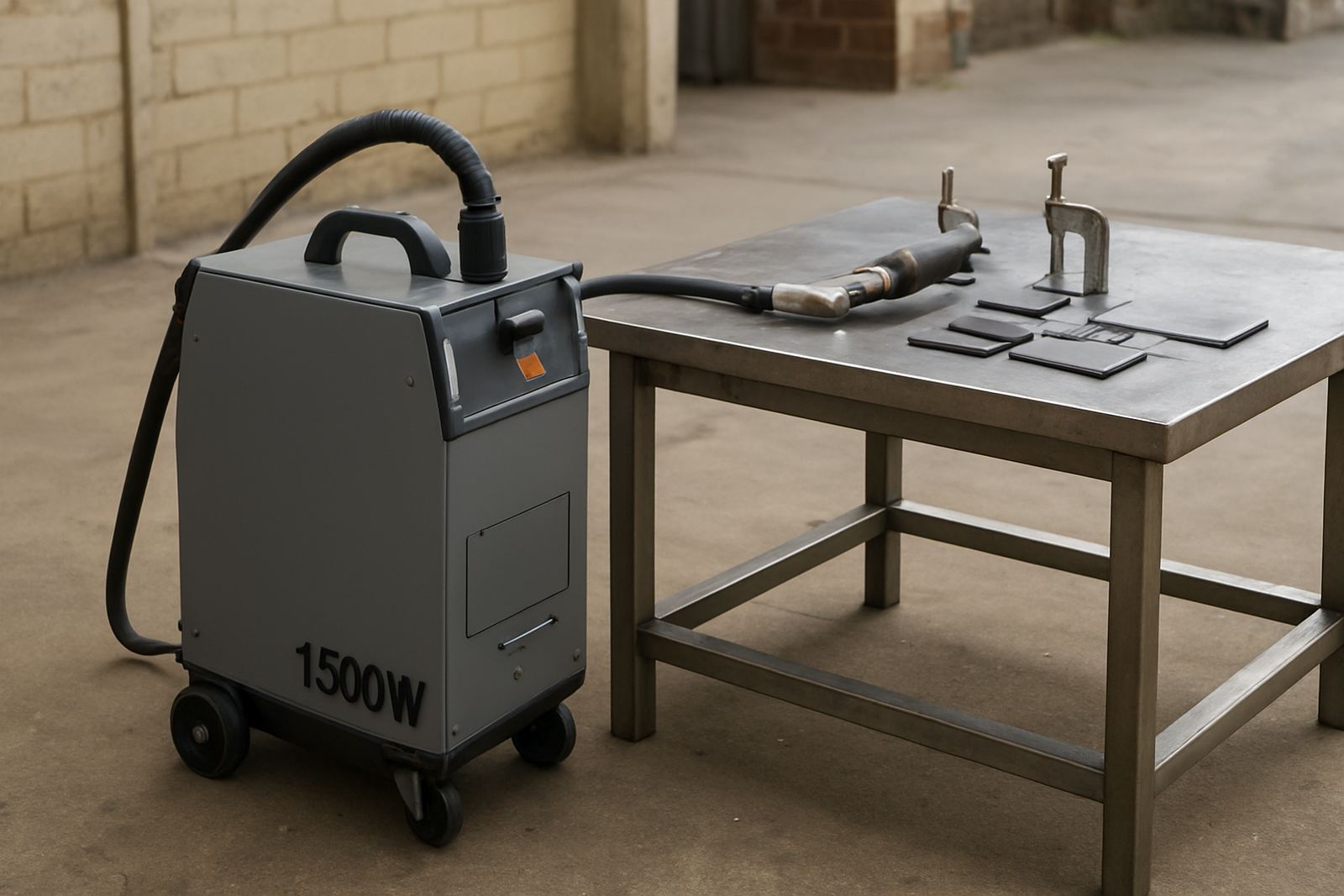
- 1 000 W to 1 500 W units for very light gauge work and detail jobs
- 2 000 W units for general stainless fabrication with better line speed
- Air-cooled or water-cooled torch sets, depending on shift length and ambient heat
- Single-point or sweep weld settings for more stable bead control
- Optional wire feed support for selected joint types and production tasks
In smaller workshops, a lower-output machine can be the better fit if the work is mainly trim, covers and brackets. In larger plants, a higher-output unit handles repeat work more comfortably and keeps the torch temperature stable during longer runs.
Where this machine suits best
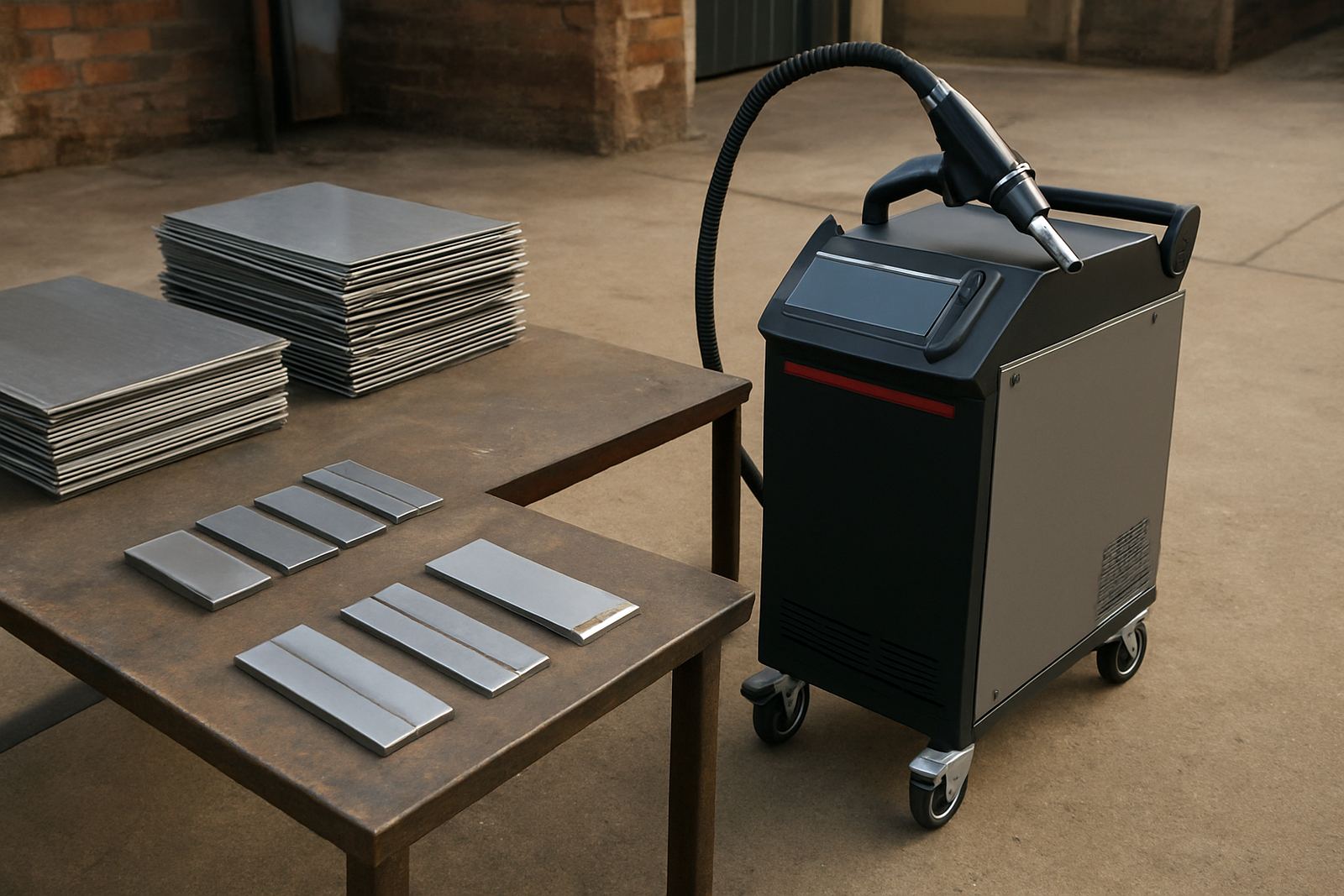
This product suits stainless steel fabricators who need clean welds on thin sections and repeatable results across short and medium production runs. It is common in metal finishing shops, food equipment fabrication, ventilation work, sign boxes and custom stainless assemblies.
It also suits sites where load-shedding or unstable supply is part of daily life, because a proper installation plan can help protect the machine and keep output steady. In coastal areas, humidity can affect stored consumables and electrical connections so dry storage matters.
- Light gauge stainless sheets and covers
- Food and beverage equipment components
- Architectural trims and decorative metalwork
- Cabinet panels, frames and enclosures
- Repair work where distortion must be kept low
Power, gas and site setup
Installation needs depend on the output selected, but most thin sheet systems require a stable electrical supply, suitable earthing and enough clean working space around the machine. Some units run on 220 V single phase, while heavier models need 380 V three phase supply. It is important to check the site before delivery so the workshop is ready on day one.
Shielding gas is normally argon for stainless steel work, with the gas flow set to suit the joint and nozzle size. A clean, dry gas line helps the weld look better and reduces porosity. If your workshop uses long hose runs or multiple stations, the regulator and line size should be checked as part of commissioning.
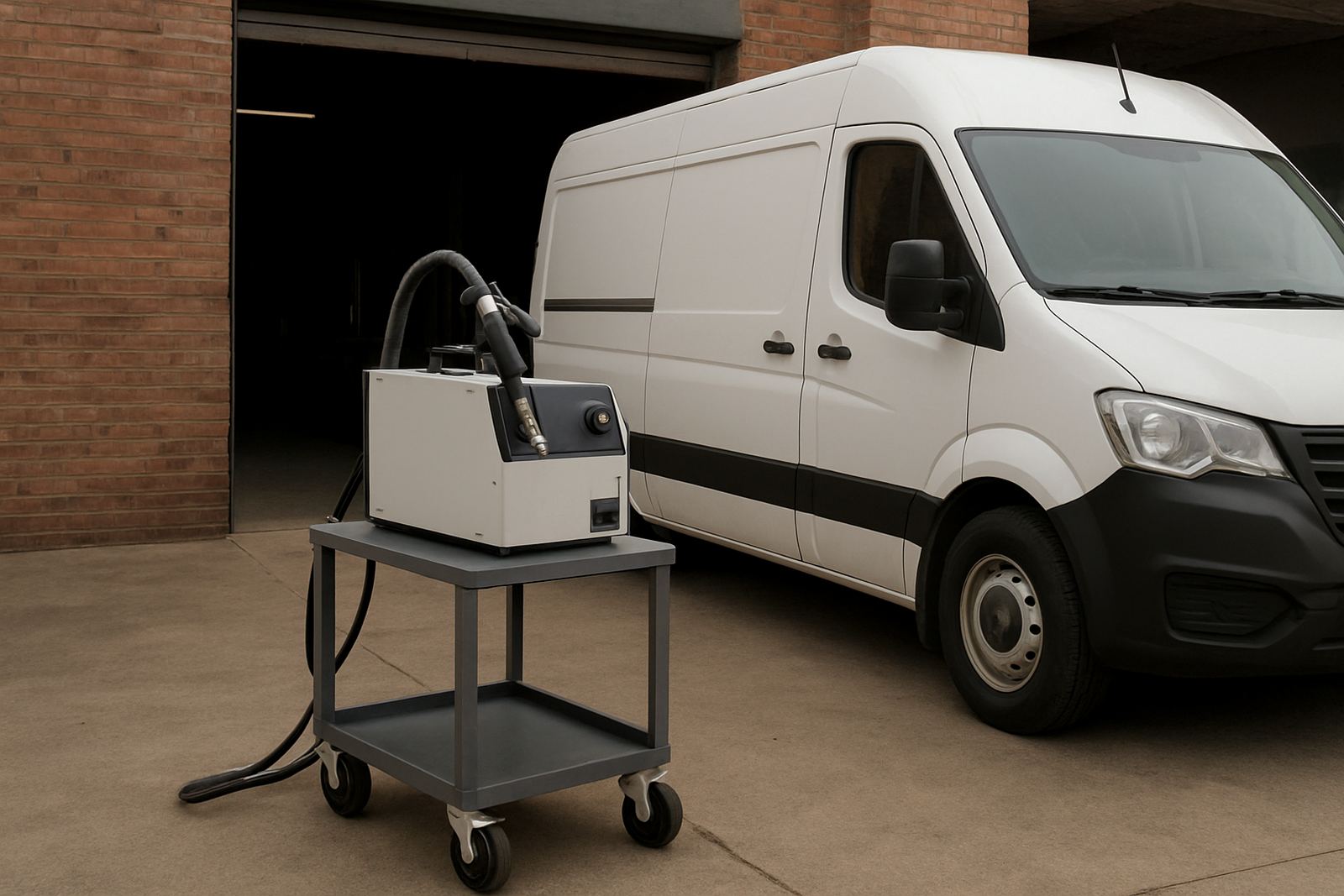
For many shops in Spartan and surrounding industrial areas, the most practical setup is a machine near the welding bay with clear access for torch movement, spares and gas cylinders. Keep the area free of grinding dust and check that cable routes do not create trip risks.
Care, servicing and day-to-day use
Like any precision welding tool, this machine performs best when the torch, optics and filters are kept clean. Operators should check consumables daily, wipe down the torch head and inspect cable condition before starting the shift. Small faults caught early save time and keep the weld quality consistent.
Preventive maintenance should include filter cleaning, cooling checks where relevant, internal dust removal and a review of gas delivery. If the machine is used hard, a service interval plan is worth setting up so the workshop does not get caught out during a production rush.
- Store filler wire and gas gear in a dry area
- Keep lens and nozzle parts clean and aligned
- Replace worn consumables before the bead quality drops
- Check earthing and clamps regularly
- Book scheduled servicing before seasonal production peaks
We also support breakdown response, remote help and refresher training, which helps new operators settle in quicker and keeps the machine earning its keep.
What to confirm before you order
Before placing an order, confirm the material thickness range, the types of joints you make and whether the machine will be used for short jobs or sustained production. That affects output size, cooling choice, torch arrangement and the gas setup. If your work changes often, it is better to choose a configuration with a little extra headroom rather than a unit that is too small.
You should also confirm the available power supply, whether you need on-site operator training, and if your team needs process optimisation for a cleaner bead or faster line speed. For shops in Alberton, Germiston, Boksburg and Edenvale, demos can be arranged at fabrication shops so the machine is tested on real material.
When you enquire, have these details ready: material grade, sheet thickness, weld length, shift pattern, and whether you need commissioning or production rollout. That makes it easier to match the machine to the job, and avoids buying the wrong specification.
Key facts
| Weld process | Handheld fibre laser welding for stainless steel |
|---|---|
| Recommended material thickness | 0.8 mm to 3.0 mm for thin sheet work |
| Output options | 1 000 W, 1 500 W and 2 000 W configurations |
| Power supply | 220 V single phase or 380 V three phase, across selected Spartan handheld fibre laser welder models |
| Shielding gas | Argon for stainless steel applications |
| Typical use | Panels, covers, frames, ducting and light-gauge fabrication |