Built for real shop-floor demonstrations
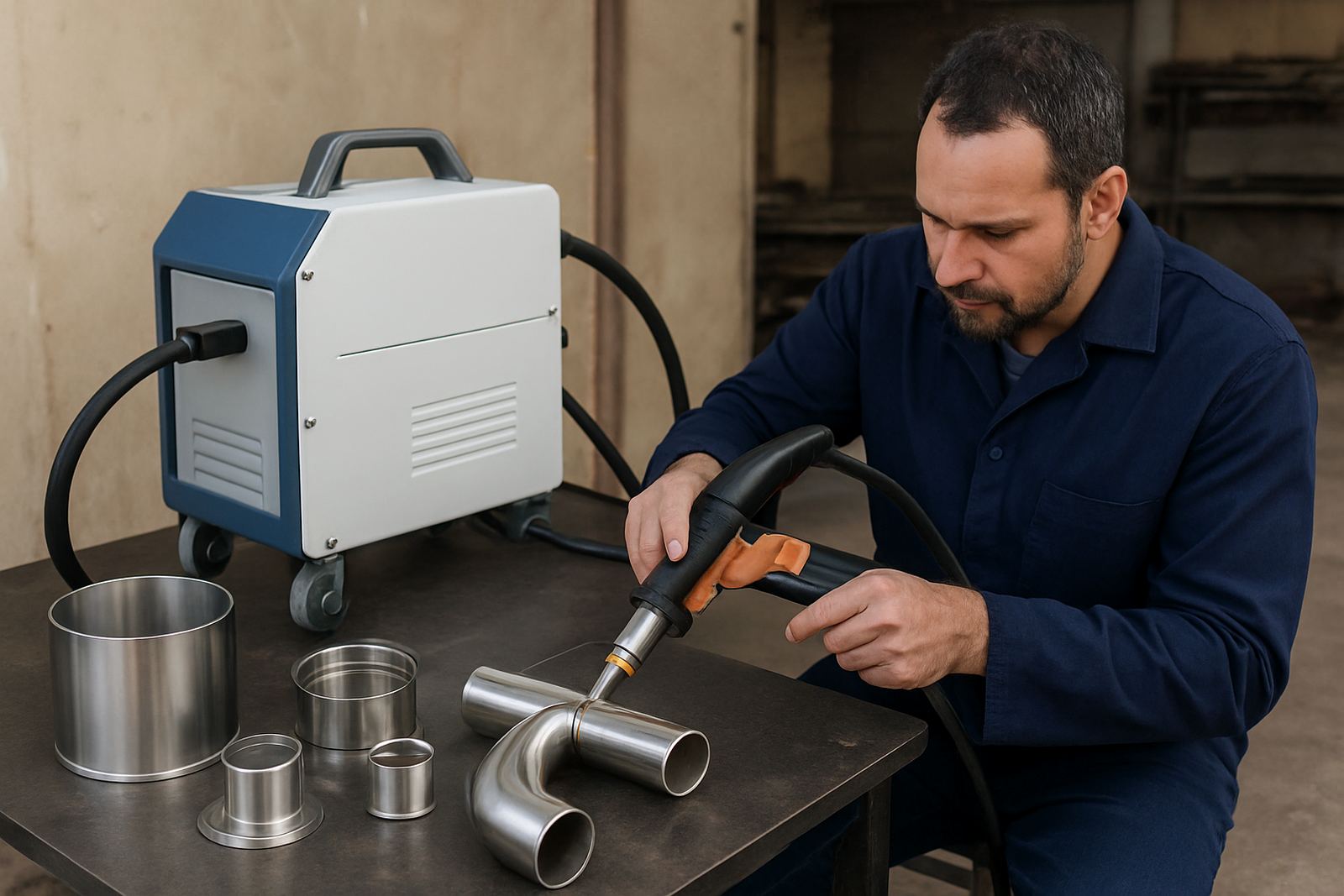
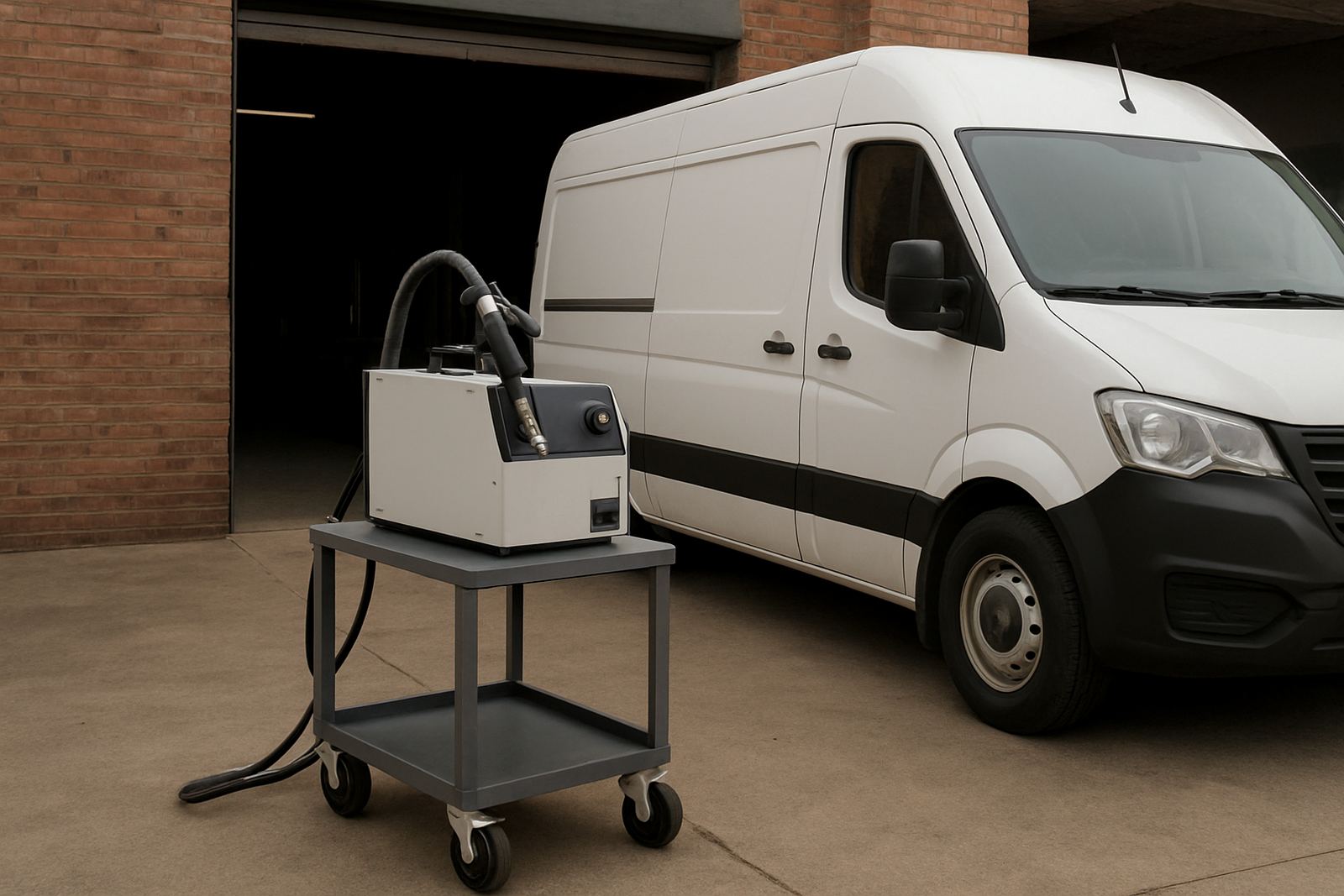
The Mobile Demo Welder is a transport friendly handheld fibre laser welding system arranged for site visits, customer trials, and production checks in working fabrication shops. It is aimed at stainless steel fabricators who want to compare laser welding against TIG or conventional methods using their own material, their own staff, and their own production conditions.
Because the system is set up for travel and quick commissioning, it suits demonstrations at workshops in Ekurhuleni, Pretoria, Pietermaritzburg, Cape Town, Durban, Gqeberha and other industrial centres. The aim is practical testing, not theory. You can see the bead quality, heat control, speed and post-weld cleaning needs on the actual job in front of you.
This format also works well when a buyer needs approval from production, quality control, or management before placing an order. One visit can answer a lot of questions, especially when the shop wants to confirm that the machine is a fit for its parts, its operators, and its output targets.
What the mobile demo system includes
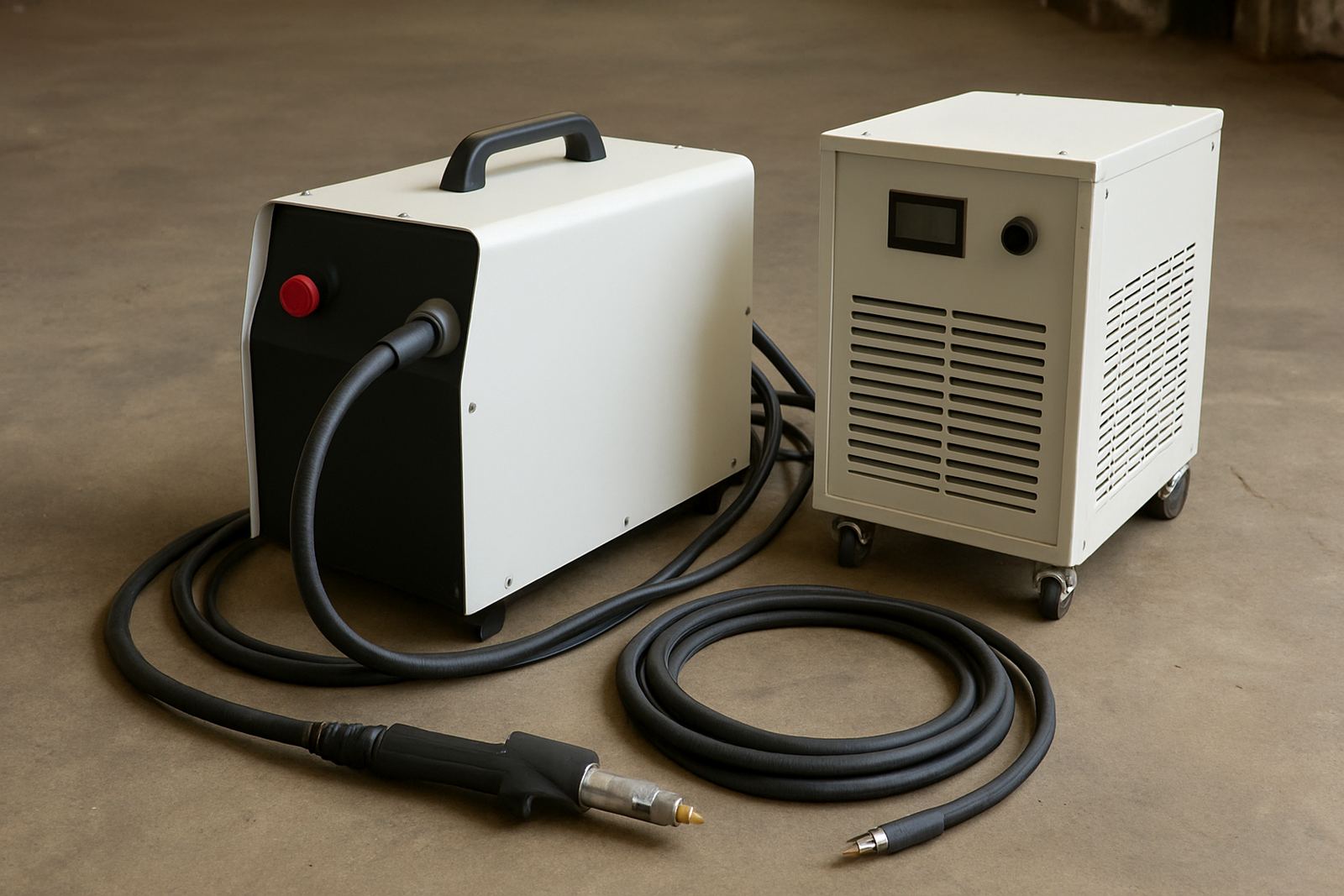
Each mobile demo setup is prepared with the main welding unit, handheld welding head, wire feed arrangement where needed, cooling system, control interface, and the practical accessories used during live demonstrations. The exact package can be matched to the type of stainless steel work you do, from thin sheet and guards to heavier assemblies and brackets.
- Handheld fibre laser welding source for stainless steel applications
- Portable trolley or transport frame for quick loading and unloading
- Cooling unit sized for demo work and extended evaluation sessions
- Welding head with focus settings for different joint types
- Protective consumables, lenses, nozzles, and basic maintenance items
- Optional wire feed for joints that need extra fill or gap bridging
We can also tailor the demo to suit a fabrication line that wants to test different finishes, joint prep standards, or operator skill levels. If you are comparing output from multiple welders, we can keep the evaluation consistent so the results are easier to review.
Where the mobile demo welder suits best
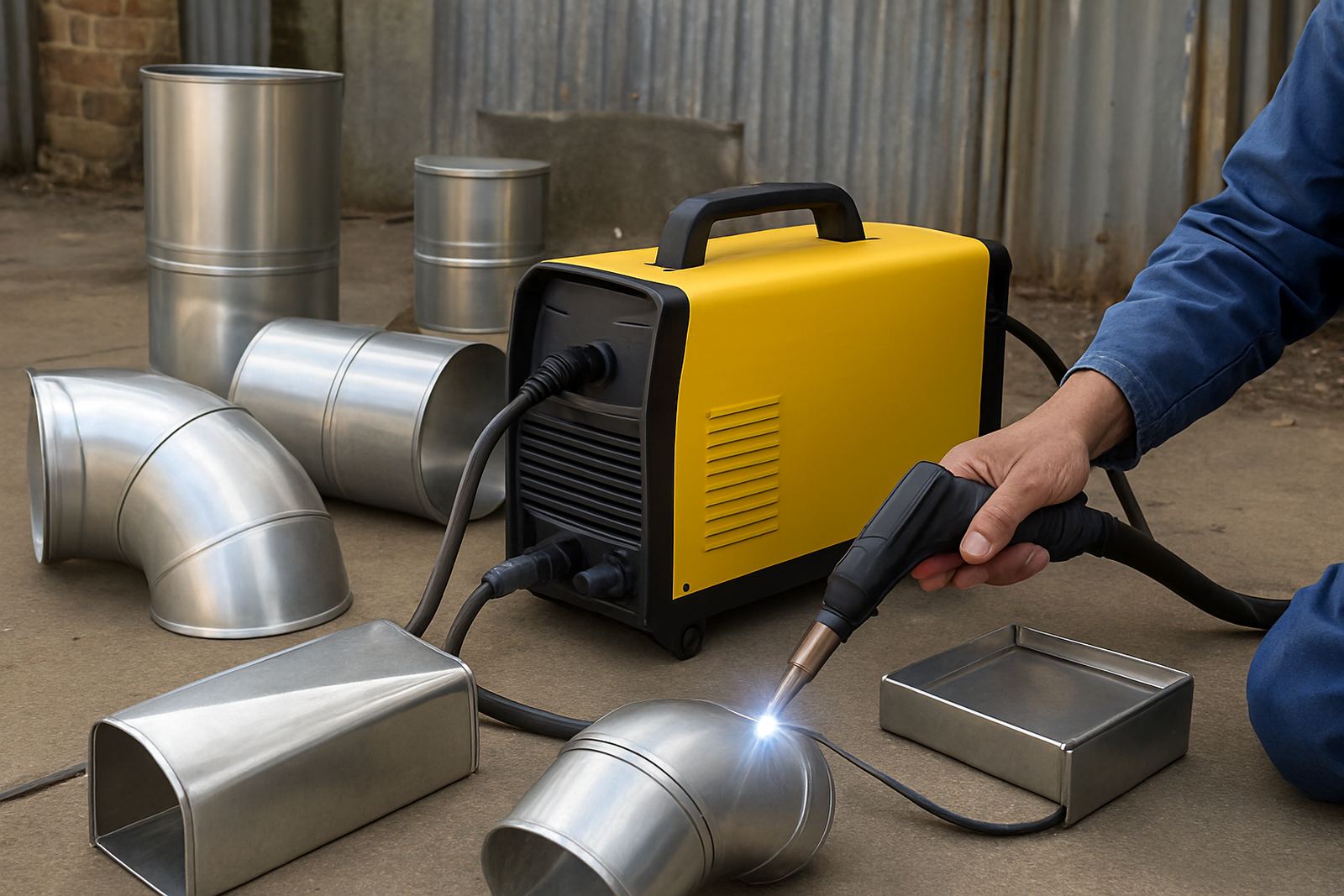
This product is most useful where stainless steel parts must look clean, hold strength, and leave the workshop with minimal grinding. It suits balustrades, catering equipment, food processing frames, ducting, covers, cabinets, sheet metal assemblies, and general fabrication where appearance and repeatability matter.
It is also useful for shops facing pressure on labour, rework, or turnaround times. A handheld fibre laser welder can help reduce distortion on thin material and cut down on finishing work, which is important where time and gas costs keep climbing. In some shops the first win is simple: less clean-up after welding and less heat affected movement on finished parts.
For coastal workshops, the cleaner process can be a practical advantage because stainless work often needs better control to keep finish quality up in humid conditions. It also helps in busy Gauteng workshops where power interruptions and load-shedding can affect planning, since the machine can be integrated into the shop's operating routine more predictably than some slower manual processes.
Power, gas, and site preparation
The mobile demo unit still needs proper site preparation. A stable electrical supply, suitable circuit protection, and a clear working area are essential. The exact power requirement depends on the fitted system, but most demonstrations will need a dedicated supply and enough capacity to run the cooling system and the welding source safely.
For shielding, the setup normally uses an inert gas suitable for stainless steel welding. Flow rate and bottle size depend on the part geometry, the joint type, and how long the session runs. We also check torch cable routing, floor space, extraction, and access for moving the machine into position. If the workshop has limited floor space, we can plan the setup around that instead of forcing a one-size-fits-all arrangement.
- Clear single-phase or three-phase supply as specified for the selected unit
- Proper earthing and protection at the point of use
- Dry, level floor space for safe movement and positioning
- Inert gas supply with enough capacity for the planned demo time
- Ventilation and extraction suited to the workshop conditions
Before a demonstration, we normally confirm the available power, the gas setup, and the parts to be tested. That way there are no surprises on site and the demo runs smoothly. It saves time and helps the team focus on welding, not on chasing fittings or adaptors at the last minute.
Typical specifications and options
The Mobile Demo Welder is offered in configurations that can suit small workshops and larger production floors. A lighter setup may be enough for a first evaluation, while a fuller package can support longer tests, training sessions, and process comparisons. The key is matching the source power and accessories to the kind of stainless steel work being tested.
- Laser source options commonly used for 1.5 kW to 3 kW class evaluation work
- Suitable for thin sheet through to heavier fabrication sections, depending on setup
- Handheld welding head for straight runs, corners, fillets, and repair work
- Wire feed option available for gap filling and wider joints
- Cooling package matched to duty and ambient shop temperature
- Transport friendly arrangement for loading into a bakkie, van, or service vehicle with proper handling equipment
Because the unit is meant for real demonstrations, we can also set it up to show different weld speeds, bead widths, and finish levels. That gives production teams a better basis for decision making than a brochure ever could. If your shop handles mixed thicknesses or awkward components, we can plan the demo to show how the system behaves on those parts.
Servicing, care, and what to check before ordering
Like any industrial machine, the mobile demo welder works best when it is kept clean and checked regularly. The lens area, nozzles, cable set, cooling system, and gas path need routine attention. Dust, metal fines, and poor storage can shorten the life of consumables and affect weld quality. A short check at the start of each day is often enough to catch problems early.
For shops that plan to use the machine after a successful demonstration, we recommend confirming the available operator skill, maintenance routine, and spare parts access. The machine should be supported with training, commissioning, and a clear process for preventive maintenance. That helps the unit stay reliabile during busy production periods and keeps downtime under control.
When ordering, it helps to have a clear picture of the work you want to do, the materials involved, and the space where the machine will be used. We also ask about the electrical supply, gas availability, and whether you need on site training or refresher training for existing staff.
- Material type and thickness range
- Typical joint types and part sizes
- Available power supply at the workshop
- Gas type and bottle handling arrangements
- Need for wire feed, extra consumables, or training support
- Whether the machine will move between sites or stay in one shop
If you are comparing options, it is worth checking the support structure as well. A demo machine is only useful if setup, service, and follow-up are handled properly after the visit.
Key facts
| Product type | Transport friendly handheld fibre laser welding demo system |
|---|---|
| Main application | Stainless steel fabrication demonstrations and practical evaluations |
| Power range | Common demo configurations from 1.5 kW to 3 kW |
| Cooling | Integrated cooling unit sized to the chosen system |
| Shielding gas | Inert gas for stainless steel welding |
| Use case | On site demos, weld testing, training, and production review |