
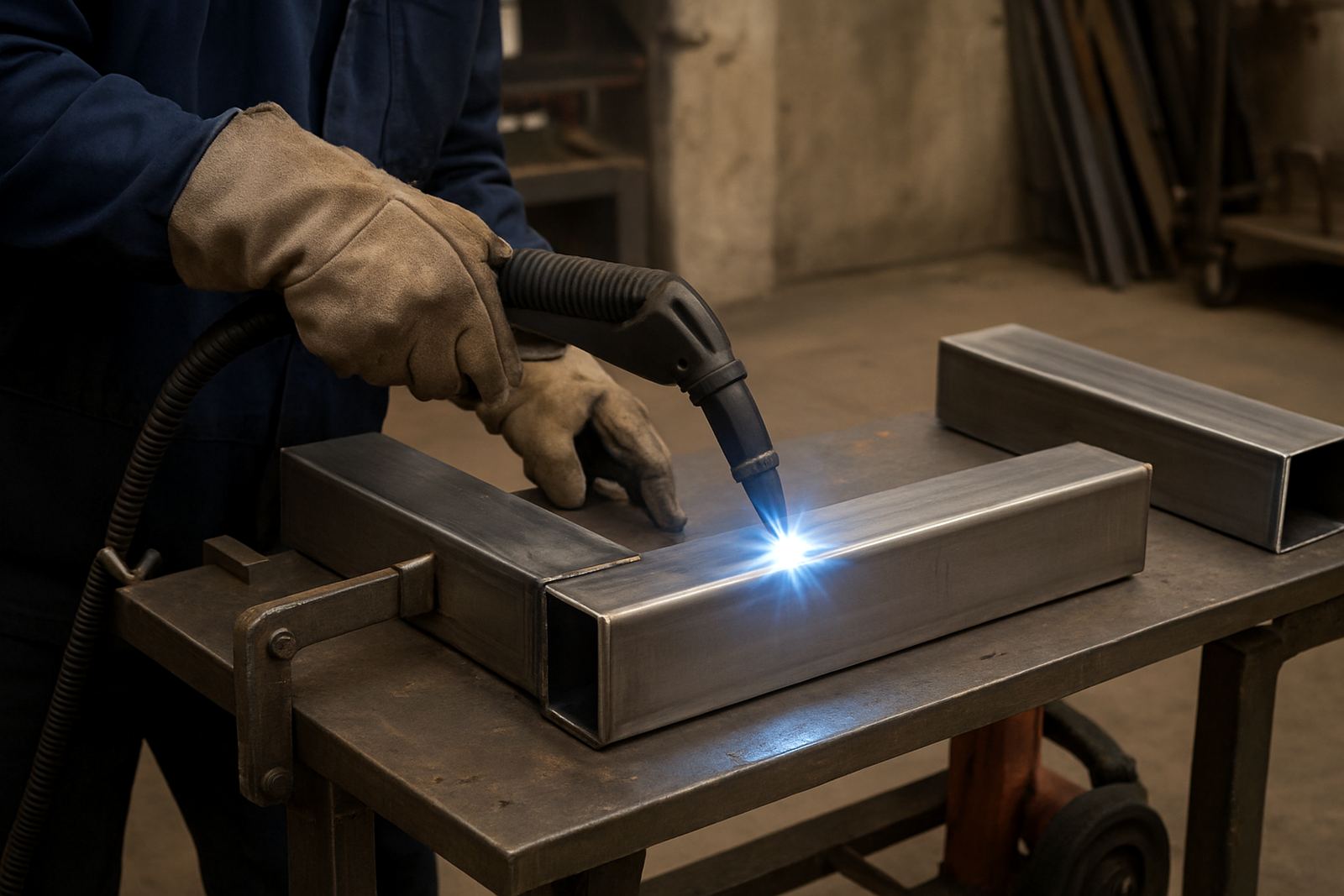
What the thick section welder is built to do
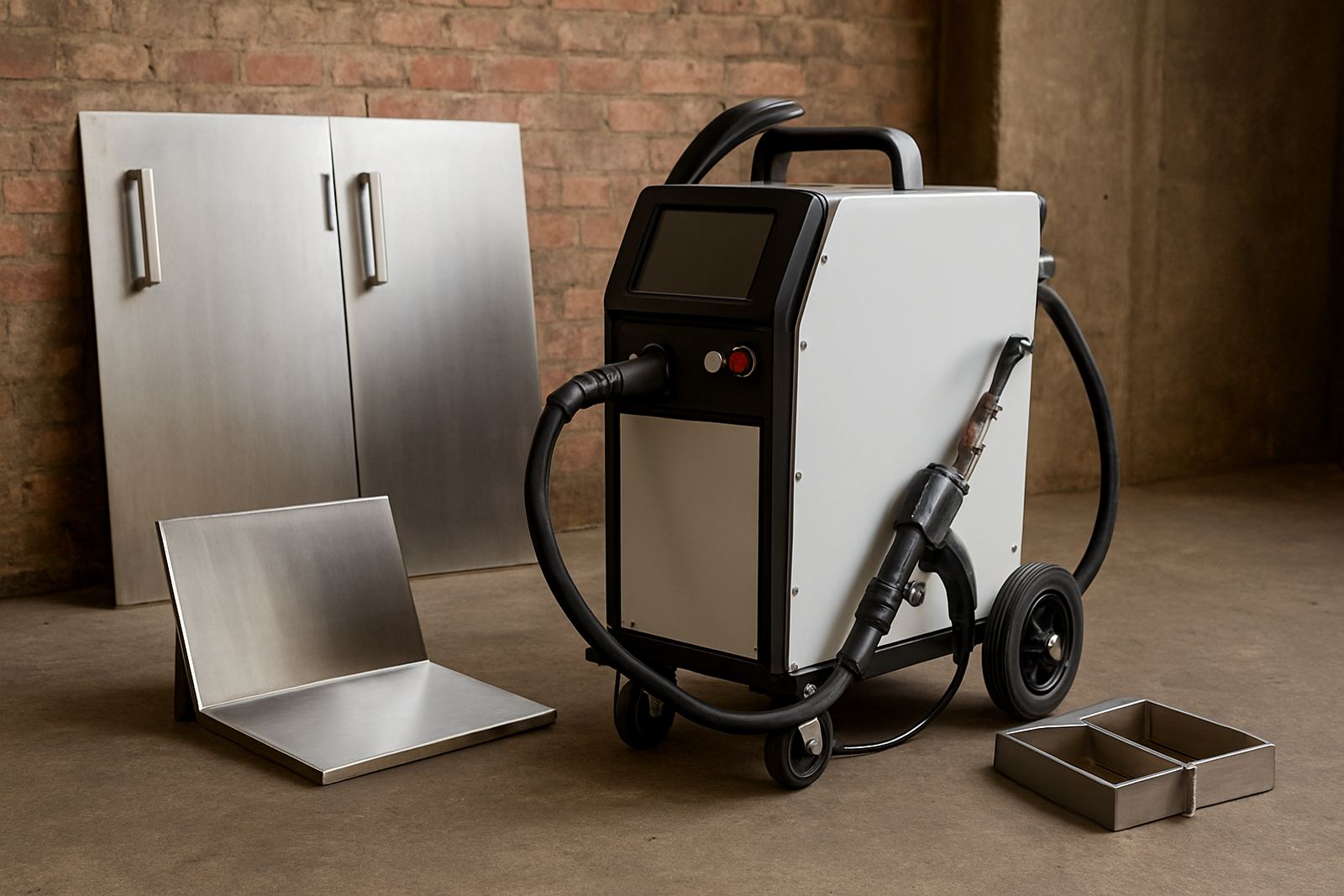
This handheld fibre laser welder is set up for stainless steel fabricators who work on heavier plate, brackets, frames, tanks and process parts that need more penetration than standard light fabrication. It gives a narrow heat affected zone, cleaner seams and less after-work on welds that would normally need more grinding or rework.
For shops handling repeat jobs, the value is in control. You get stable output, a focused beam and a practical torch arrangement that lets an operator move from one seam to the next without long changeovers. It is a solid fit where finish quality matters and production time is tight.
- Designed for heavier stainless steel components
- Cleaner welds with less distortion and spatter
- Useful for batch work and one-off fabrication jobs
- Suitable for small workshops and larger production areas
Power levels, torch options and working range
Thick section work normally calls for higher output and steady feeding, so the machine is available in power levels suited to demanding stainless applications. Choice depends on material thickness, joint type and how much throughput your shop needs. We help match the output to the work rather than overselling a bigger unit than you actually need.
Typical options cover different torch arrangements, wire feed setup and cooling preferences, so the unit can be matched to day-to-day fabrication or more intensive production. On heavier stainless, that extra control matters because a job that looks simple can pull heat quickly, especially on long runs and corner joints.
- Higher power options for deeper penetration
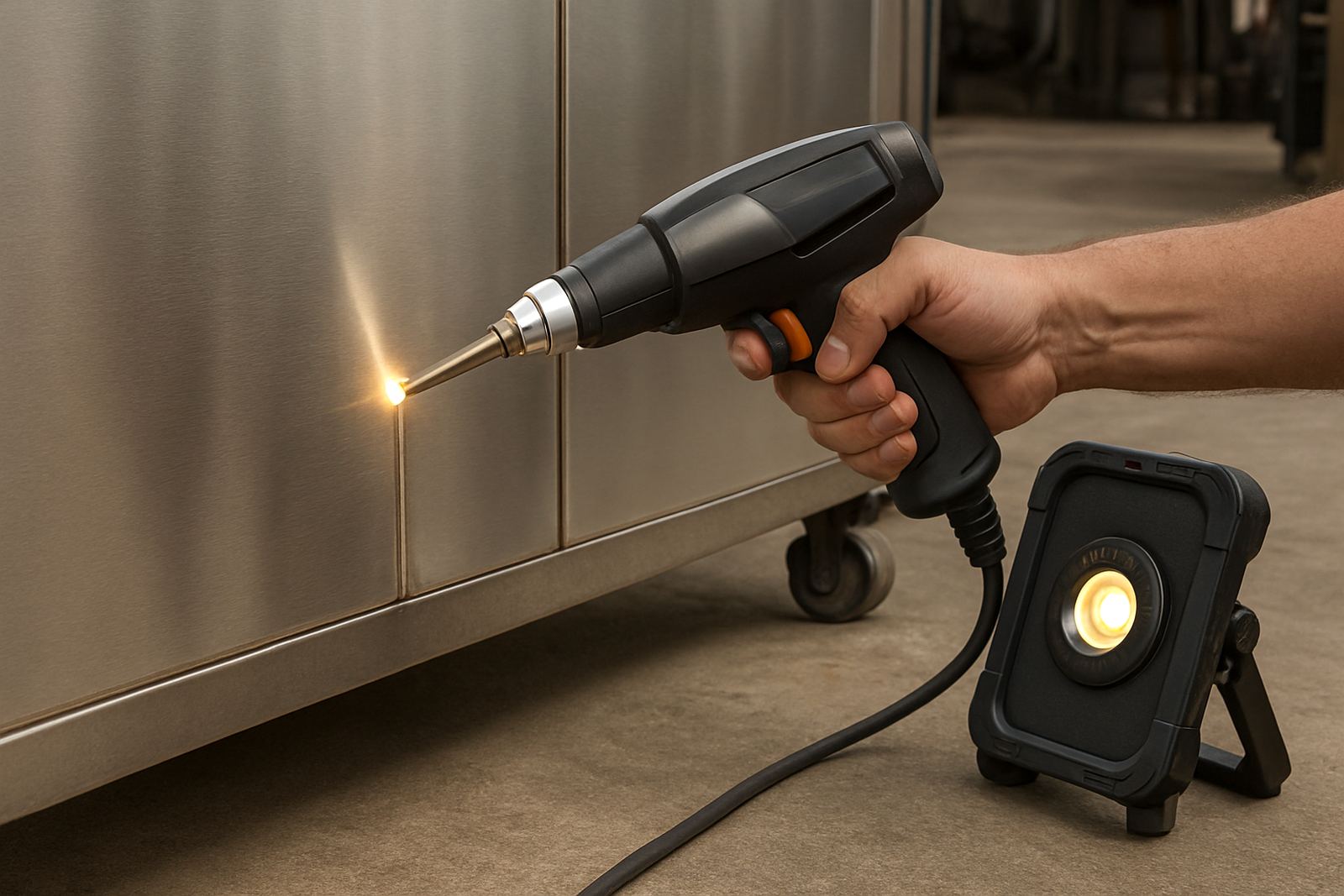
- Handheld torch for flexible movement around larger fabrications
- Wire feed support where fill is required
- Water-cooled configurations available for longer shifts
For thicker material, setup is just as important as output. If the torch angle, speed and focus are not set correctly, the weld can sit proud or fall short on fusion, so commissioning and training make a real difference.
Where it suits in South African fabrication shops
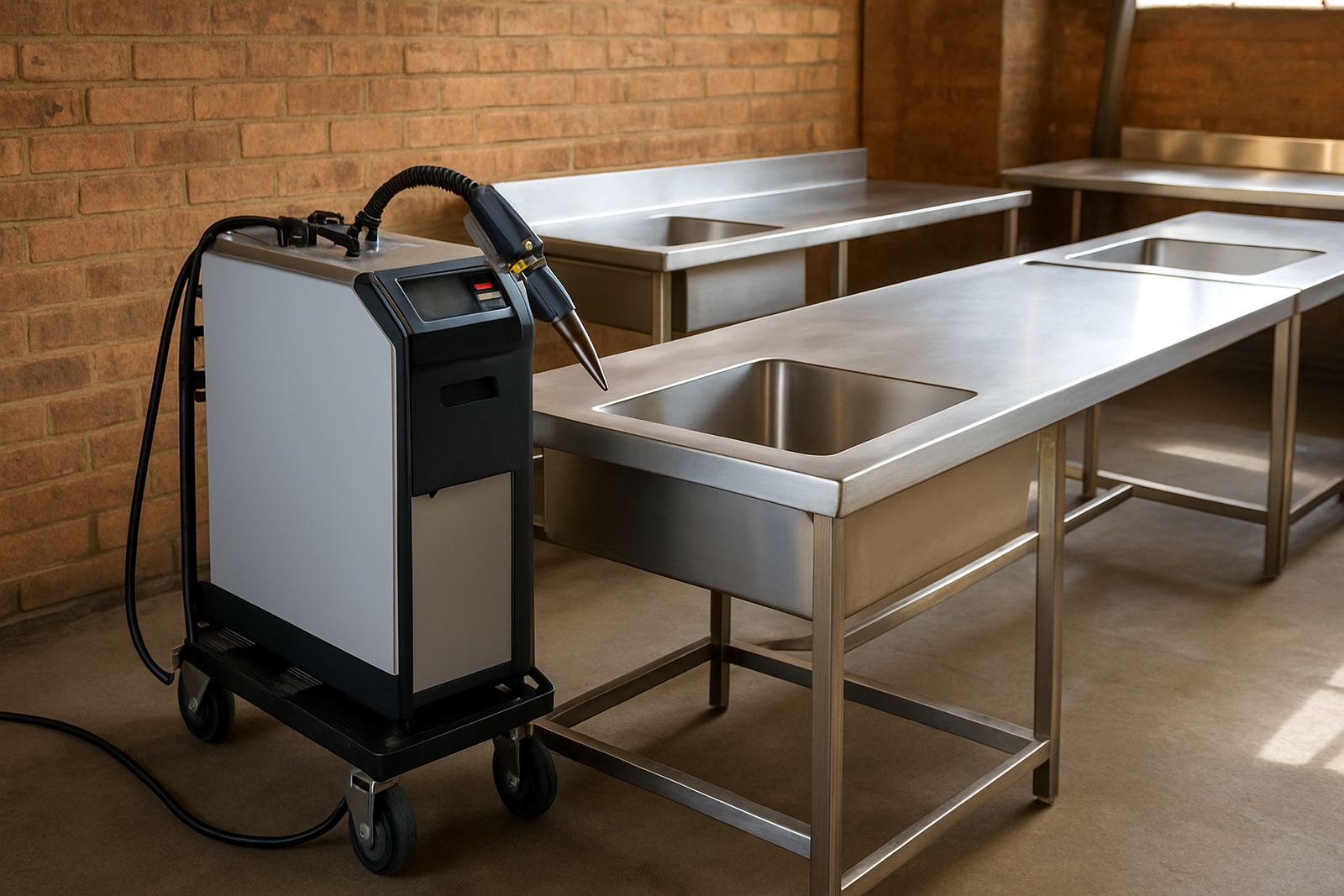
This product suits stainless steel workshops in Ekurhuleni, Kempton Park, Spartan, Isando, Jet Park and nearby industrial areas where fabricators deal with food-grade items, plant components, enclosures, guards and general stainless assemblies. It is also practical for larger manufacturing floors that need repeatable welding across multiple stations.
Because the weld is clean and controlled, it can reduce the time spent on finishing in busy shops where labour is tight and deadlines are fixed. In coastal areas, where humidity can affect stored materials and consumables, the quicker route from fit-up to weld completion helps protect output and keep jobs moving.
- Stainless fabrication and repair work
- Process equipment and piping support pieces
- Frames, skids, brackets and housings
- Production jobs where finish and repeatability matter
Installation, power supply and gas requirements
These units need a proper industrial supply and a clean setup. Exact electrical needs depend on the power level selected, but most shops should plan for a dedicated circuit, stable earthing and enough capacity to avoid nuisance trips during load shedding recovery. If your workshop already runs compressors, extractors and grinders, the electrical plan should be checked before installation.
Shielding gas requirements depend on the application, but stainless work normally needs a suitable gas supply and correct flow settings for the joint and thickness. Gas purity and hose condition matter more than many teams realise. A small leak or poor regulator setting can affect bead appearance and penetration.
- Dedicated electrical circuit recommended
- Correct earthing and stable supply protection needed
- Shielding gas setup matched to stainless application
- Ventilation and safe torch handling space required
We handle commissioning at your shop, whether you are in Spartan, Alberton or further afield. That includes setup checks, machine familiarisation and making sure the operator understands the practical settings for the work being done.
Care, servicing and keeping output consistent
Like any production tool, the welder performs best when the basics are kept in order. Keep lenses clean, check the torch lead, confirm gas flow and inspect the cooling system at regular intervals. Dust, heat and vibration in a workshop can all shorten component life if the machine is left unattended.
Preventive maintenance is especially useful for shops that run daily shifts. A short inspection can pick up worn consumables, poor wire feed, blocked filters or a cooling issue before it becomes a breakdown. On a busy floor, that can save a full day of waiting for a repair.
- Clean optics and torch components regularly
- Inspect hoses, cables and connectors for wear
- Check coolant levels and flow where applicable
- Schedule servicing before peak production periods
Our service team supports breakdown response, remote help, spares supply and refresher training. If the machine starts behaving differently, we can help you trace the cause from the shop floor rather than guessing at the panel.
What to verify before you submit your order
Before ordering, it helps to know the material thickness range, joint types and daily production volume. That tells us whether a lower or higher power unit is the better fit and whether you need wire feed, water cooling or a specific torch arrangement. It also helps to know if the machine is for one bay or multiple operators.
We also ask about site conditions. If your shop has unstable power, limited floor space or long cable runs, those details affect the installation plan. On some sites, the practical issue is not welding ability but getting the machine in place and ready without slowing down the rest of the workshop.
- Material thickness and typical joint type
- Daily hours of use and production targets
- Power availability and site electrical capacity
- Operator experience and training needs
- Space for cooling, gas bottles and safe movement
Our team in Spartan, Kempton Park supports shop demonstrations, production rollouts and weld testing. If you need to compare settings on your own material, we can do that on site and help you decide on the right configuration.
Key facts
| Product type | Handheld fibre laser welder for thick section stainless fabrication |
|---|---|
| Power options | Available in higher output configurations for deeper penetration work |
| Material focus | Stainless steel and related fabrication applications |
| Cooling | Air-cooled or water-cooled options depending on configuration |
| Torch setup | Handheld torch with adjustable weld parameters and optional wire feed |
| Support | Commissioning, training, maintenance and breakdown response nationwide |