Built for stainless tube frames, not general purpose guesswork
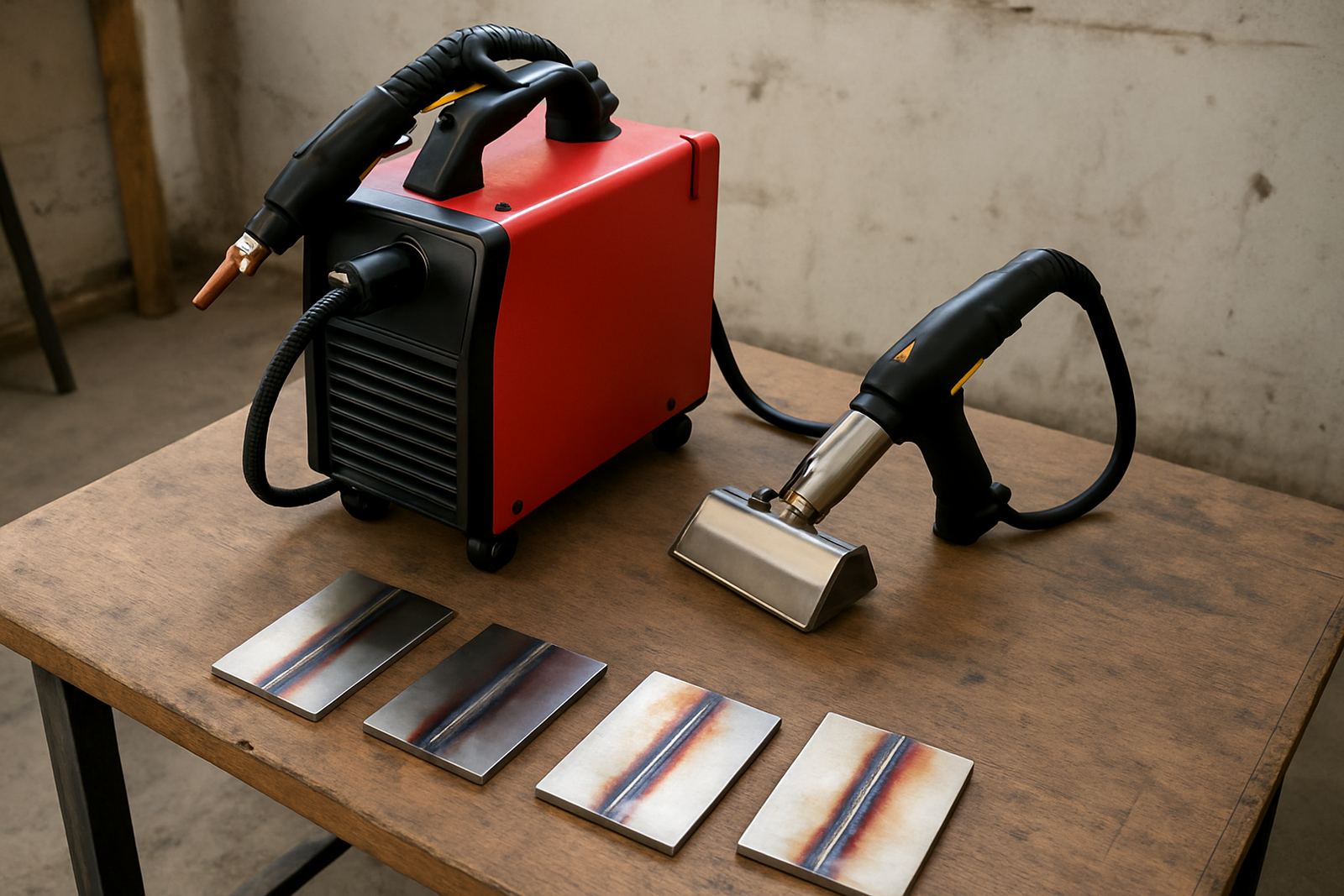
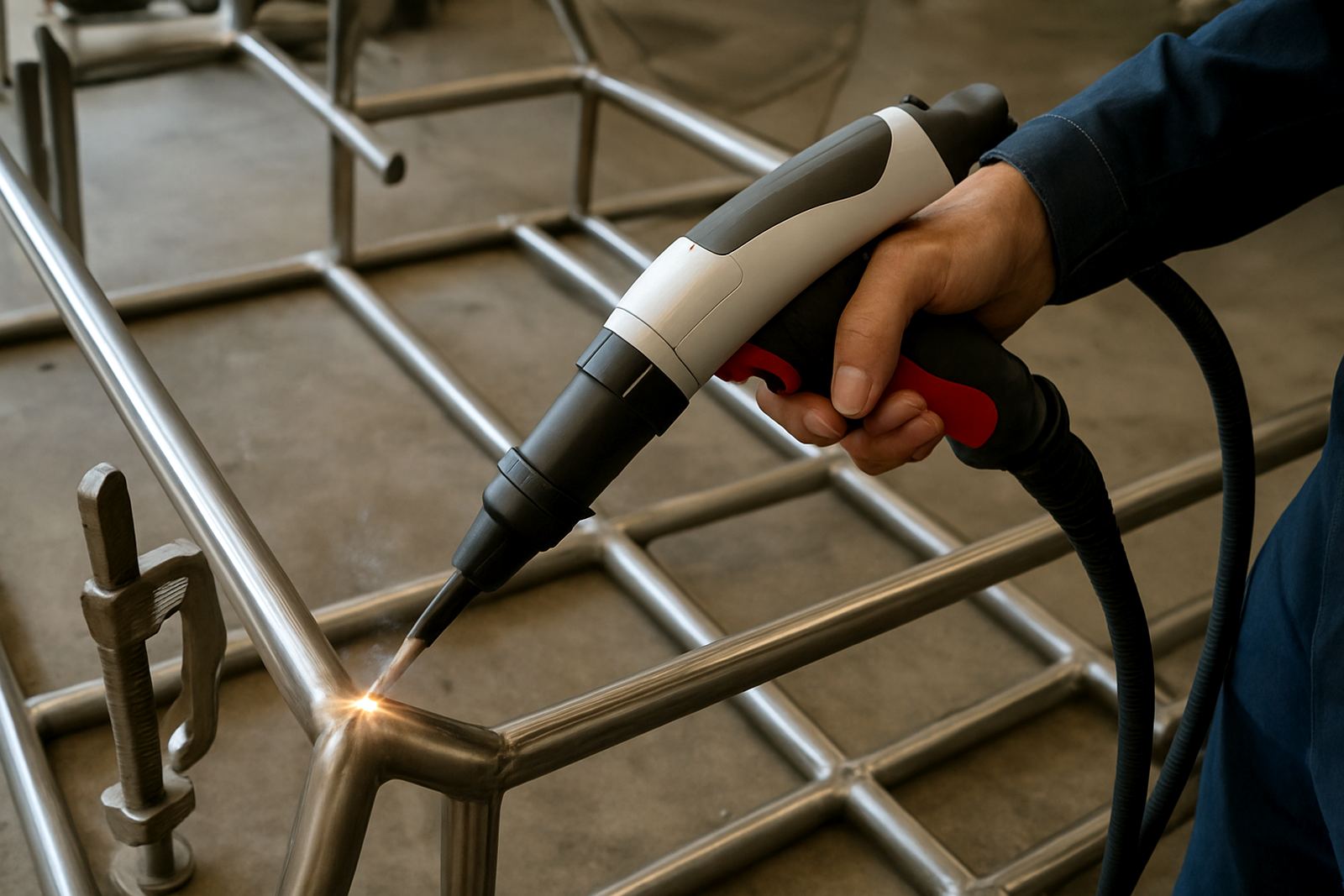
The Tube Frame Welder is a handheld fibre laser welding system set up for stainless steel tube frame work, including cages, guards, trolleys, kitchen frames, display racks and fabrication assemblies that need neat visible joints. It gives a narrow heat affected zone and strong penetration, so the weld stays tidy without the heavy grinding that many workshops still budget for after MIG or TIG work.
For fabricators around Spartan, Kempton Park, Isando and Jet Park, that matters when output is tight and labour is expensive. On thinner stainless tube, especially 1 mm to 3 mm wall thickness, the operator can keep a steady hand on the corner and move through the joint with less distortion. The result is a cleaner finish and more consistent pieces, which is helpful for clients who inspect fit-up closely.
The unit is suited to workshops that already handle stainless fabrication and want a faster process for frame production. It is also practical for jobbing shops that do a mix of one off parts and repeat orders. For sites with load shedding or unstable supply, it is important to plan generator or inverter support carefully, because a laser welder needs a stable electrical feed to keep performance consistent.
- Best for stainless tube frames, corners and butt joints
- Suitable for small workshops and higher volume production lines
- Reduces heat distortion on thin wall material
- Useful where cosmetic finish matters and cleanup time must drop
Sizes and configuration choices that match your shop output
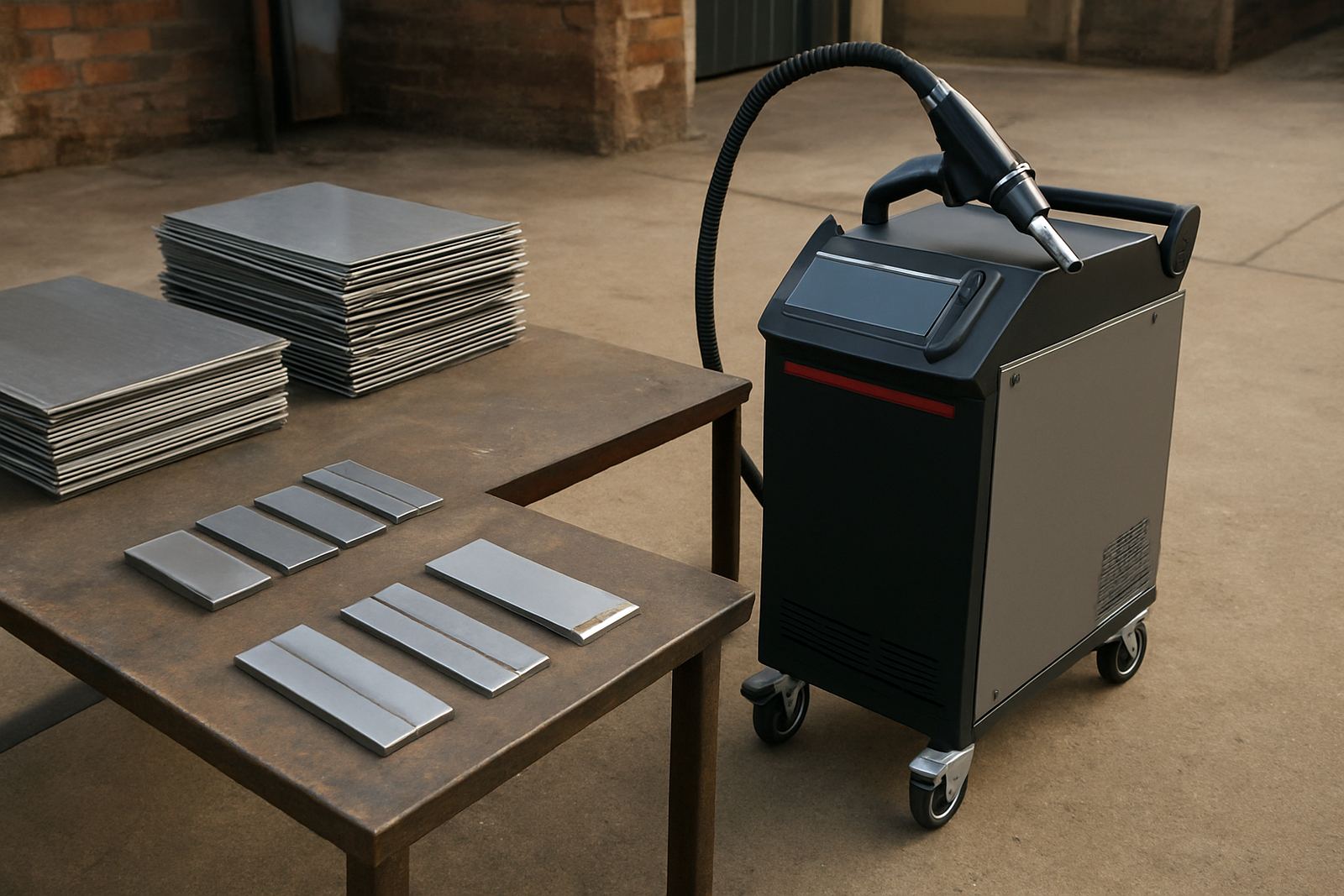
Different shops need different output levels, so the Tube Frame Welder is normally specified by power class, wire feed option and torch setup. A smaller unit suits light fabrication, while a higher power model is better where tube sections are thicker, or where a team needs faster travel speed through long weld runs. The right choice depends on the mix of stainless grades, tube sizes and daily duty cycle.
Common setup options include a standard handheld torch, adjustable spot and seam modes, and an internal or external wire feeder where extra filler is required. Some workshops prefer a simpler arrangement for training new operators, while others want more control for mixed joint types. If you are running frames in quantity, it helps to choose the configuration that allows quick changeover between parts, because fiddling with settings costs time.
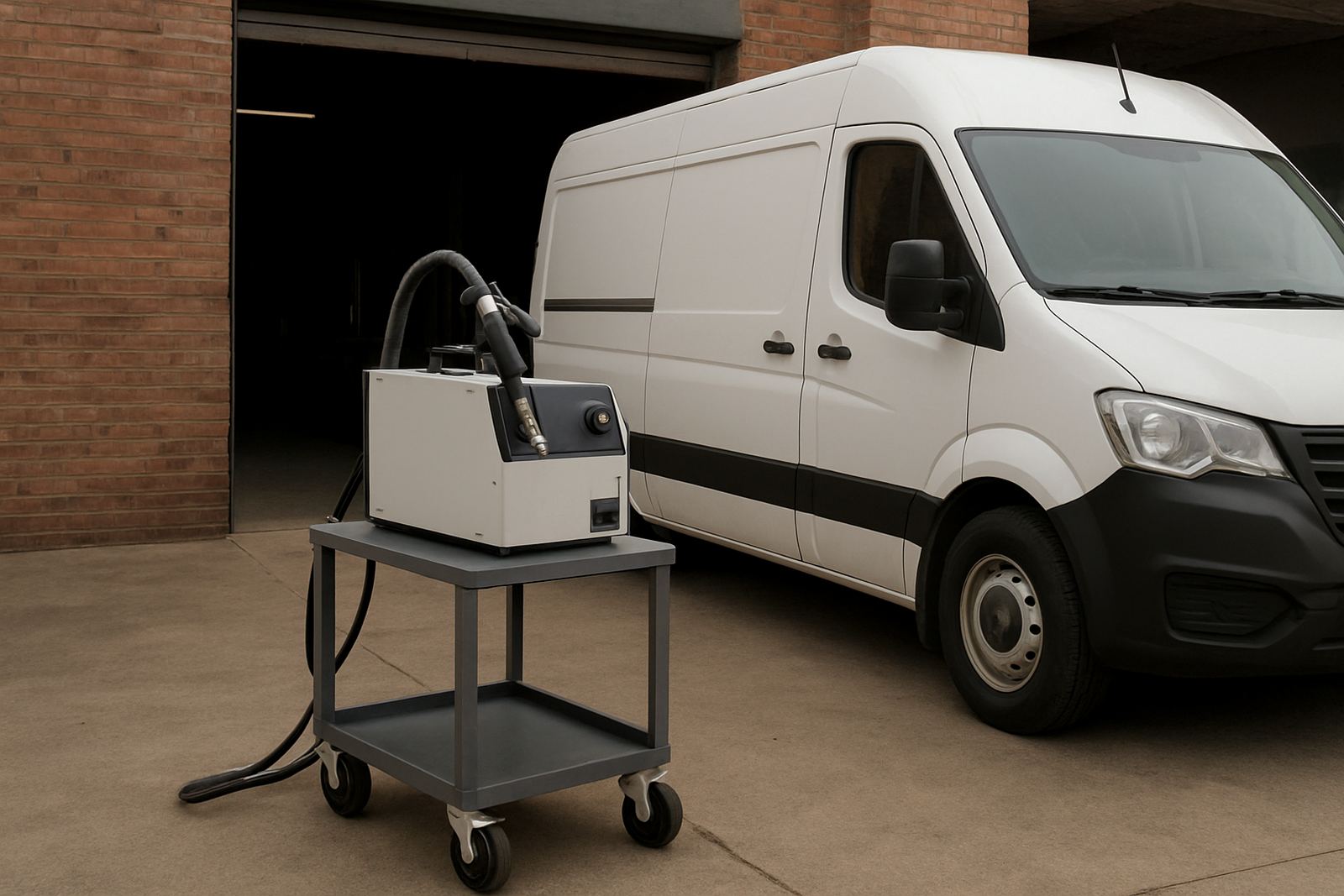
When ordering, it is worth checking the access around your bench and the height of your jigs. Some fabrication areas in Germiston or Boksburg have tight bays and shared work cells, so a compact machine footprint can make a difference. You should also check whether your team will use argon only, or an argon mix where the process design calls for it, since gas choice affects bead appearance and purge quality.
- Power class can be matched to light, medium or heavier tube fabrication
- Handheld torch setup keeps the operator close to the joint
- Wire feed option helps on gap filling and thicker corners
- Suitable for custom jigs, line work and repeat production
Where the Tube Frame Welder suits your work
This machine suits stainless fabrication shops that build tube frames for food equipment, shop fittings, medical trolleys, plant guards, hand rails and general support structures. It is especially useful where a clean weld line is visible to the customer and the frame must look finished without heavy dressing. In many Gauteng workshops, that means less time spent on flap discs and less risk of thinning out the joint after cleanup.
The process also suits shops working in coastal or humid conditions, where stainless is chosen for corrosion resistance and weld quality has to stay consistent. If your client is based in Durban, Gqeberha or anywhere near the coast, good control of the weld seam and post weld cleanliness helps protect appearance over time. On site, the machine can also be used for repair work if access is good and the joint can be prepared properly.
For larger manufacturing environments, the Tube Frame Welder can be built into a production flow with staging, tacking, weld check and final inspection. For smaller shops, it is a practical upgrade when skilled labour is scarce and there is pressure to turn work around faster. It is not a magic answer to poor fit-up, but it does make well prepared work easier to finish well.
- Food, medical, retail and general stainless fabrication
- Good for visible joints where finish matters
- Useful in humid or coastal environments
- Can support jobbing work and repeat production alike
Installation, power and gas requirements
Before commissioning, the shop should confirm floor space, access for the machine and a power supply that matches the selected unit. Most installations need a dedicated electrical feed, correct earthing and enough stable supply for the peak draw. If the workshop has frequent load shedding, a proper backup arrangement must be planned in advance. Running the machine off a weak supply can cause poor performance, faults or inconsistent weld quality.
The gas requirement is normally clean argon supply, with the correct regulator and hose set for the chosen configuration. A dry gas line matters because moisture can spoil the weld finish and create extra cleaning work. If the shop uses purge arrangements for tube work, check fittings and blanking caps before the first production run. On stainless work, small details count and a missing seal can waste time quickly.
Installation at a fabrication shop also includes torch set up, parameter matching and a practical walk through with the operator. Laser-Welder provides commissioning and training at Spartan, Kempton Park, and at fabrication shops nationwide. That helps the team get the settings right for the material thickness, joint type and travel speed instead of guessing on the day.
- Confirm stable electrical supply before commissioning
- Use clean, dry argon and the correct regulator setup
- Plan for load shedding if the site cannot support uninterrupted power
- Training should include setup, safety and joint preparation
Care, servicing and day to day upkeep
The Tube Frame Welder needs ordinary workshop care to keep it running properly. That means clean lenses and protective glass, a tidy torch, correct gas supply, and routine checks on cable condition and cooling if the unit includes a cooling system. Dust, grinding swarf and oil mist can all cause trouble if the machine sits too close to prep stations.
Operators should check consumables before every shift and keep spare nozzles, protective parts and filler wire on hand where the process needs it. If the machine starts to lose consistency, the first checks are usually basic, such as gas flow, lens cleanliness and joint preparation. In many cases the fault is not the machine at all, but a poor edge prep or a tired consumable.
Laser-Welder supports preventive maintenance, breakdown response, remote help and spares supply so that workshops can get back to production faster. Refresher training is also useful when a new operator joins the team, or when a shop changes from one product run to another. A well looked after system should give dependable service, but it does need regular attention, not just a once a year look over.
- Keep optics clean and replace damaged protection parts promptly
- Store consumables in a dry place away from grinding dust
- Check gas flow and hose condition regularly
- Schedule preventive maintenance before peak production periods
What to verify before you submit your order
Before you order a Tube Frame Welder, check the stainless grades you use most often, the tube diameter range, wall thickness and the type of joints you produce. A shop doing 19 mm and 25 mm tube for light frames will not need the same specification as a team welding heavier square tube for structural assemblies. It also helps to know whether the work is mostly corner joints, T joints or long straight seams.
Ask whether you need simple operation for multiple operators, or a more advanced setup for a small group of experienced welders. If your production relies on repeat orders, you should also check the fixturing strategy and whether the machine will be used on bench work, mobile jigs or line stations. The more detail you can give at the quoting stage, the easier it is to match the machine to the job.
When you send an enquiry through the contact page, include your material range, expected daily output and any site limits such as power restrictions, narrow access or unusual shift hours. That helps the team plan demos, training and commissioning properly. It also avoids the common mistake of buying a machine that is good on paper but awkward in your actual shop.
- Tube sizes and wall thickness
- Joint types and production volume
- Power availability and backup plans
- Operator skill level and training needs
Key facts
| Process | Handheld fibre laser welding for stainless tube frame fabrication |
|---|---|
| Typical material range | Stainless tube and light section, commonly 1 mm to 3 mm wall thickness, depending on joint design |
| Power options | Selected to suit light, medium or higher output workshop production |
| Gas requirement | Clean dry argon supply with correct regulator and hose setup |
| Application | Corners, mitres, butt joints, T joints and visible stainless frame work |
| Support | Commissioning, operator training, maintenance, spares and remote help |