Why the Alberton workshop asked for a change
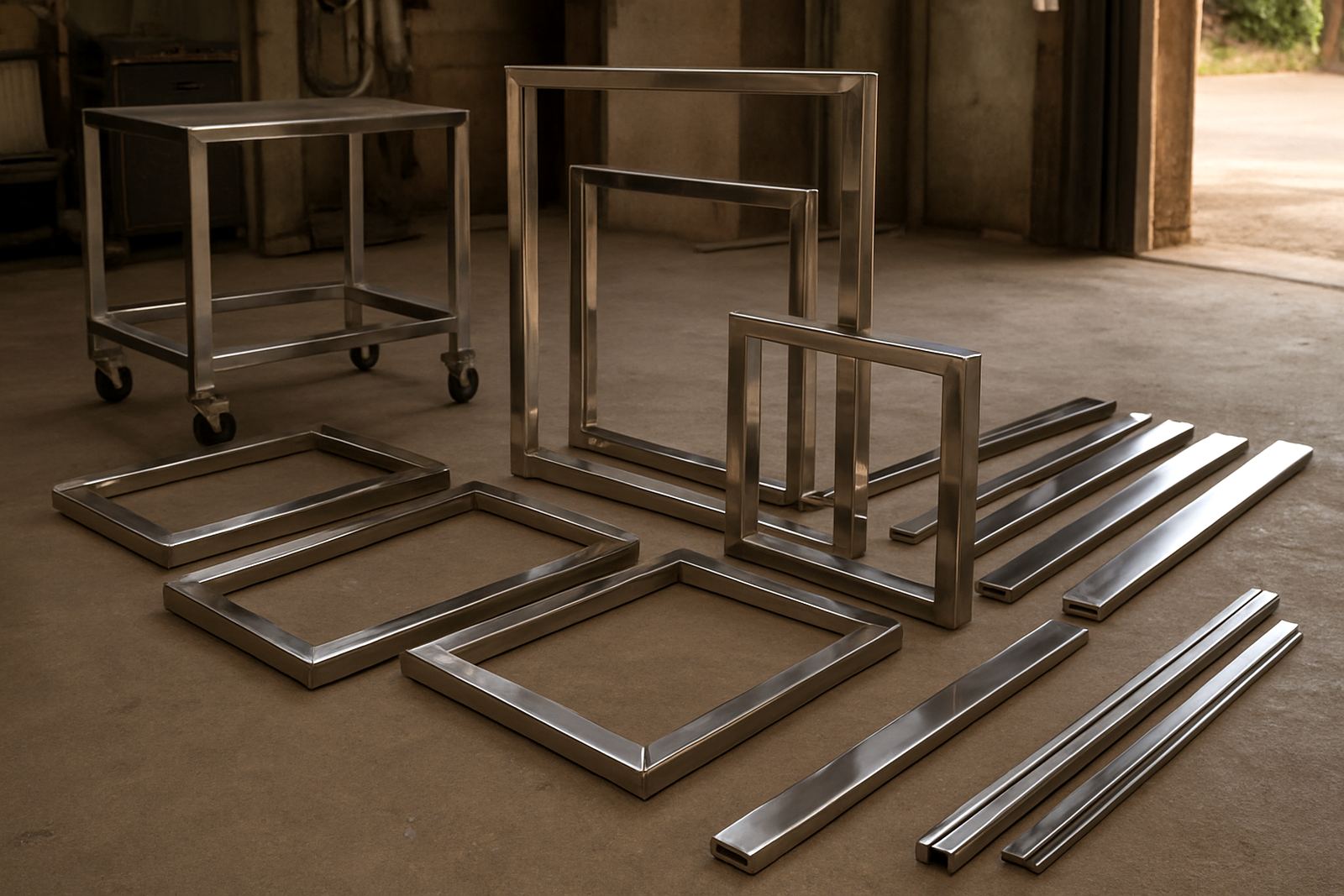
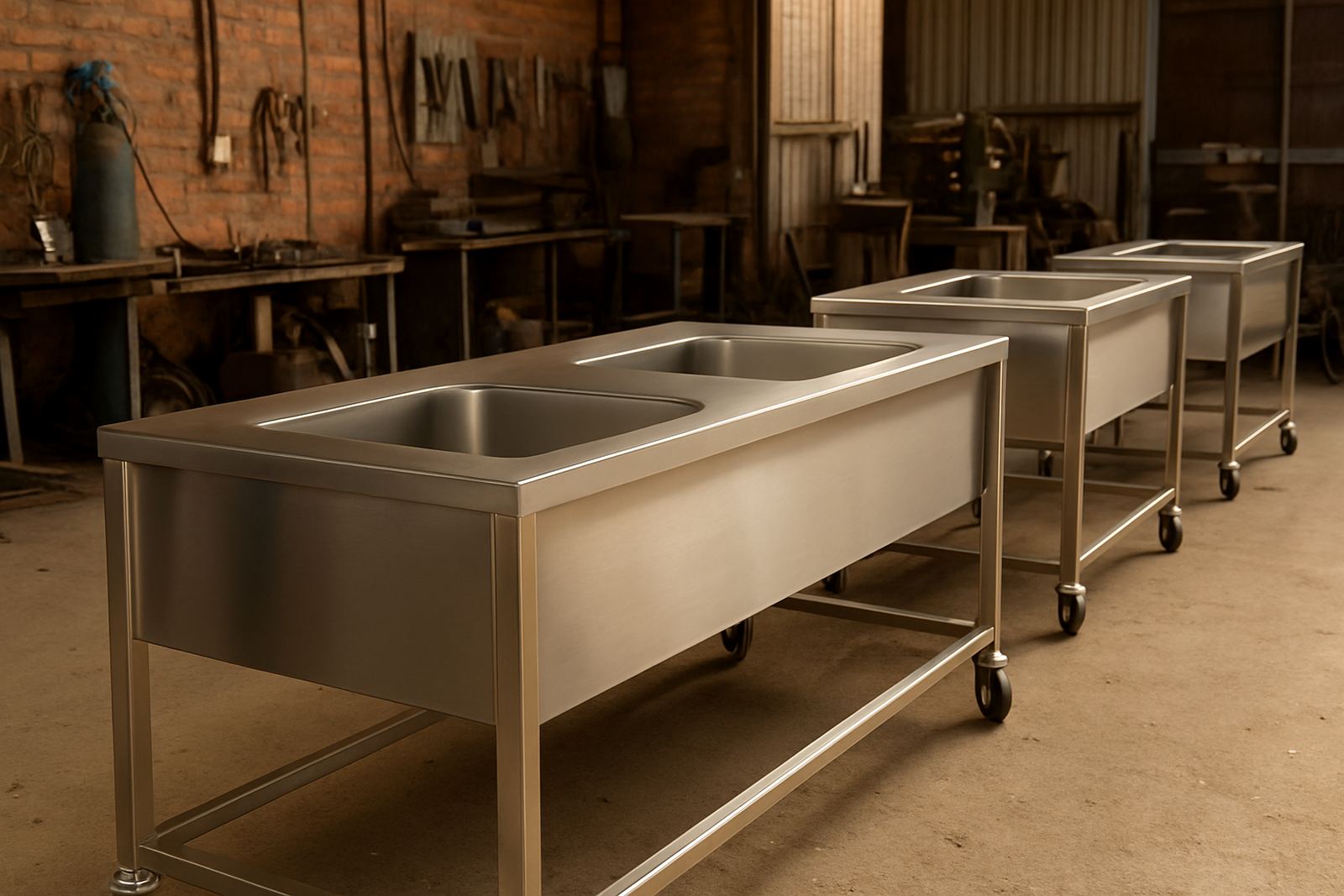
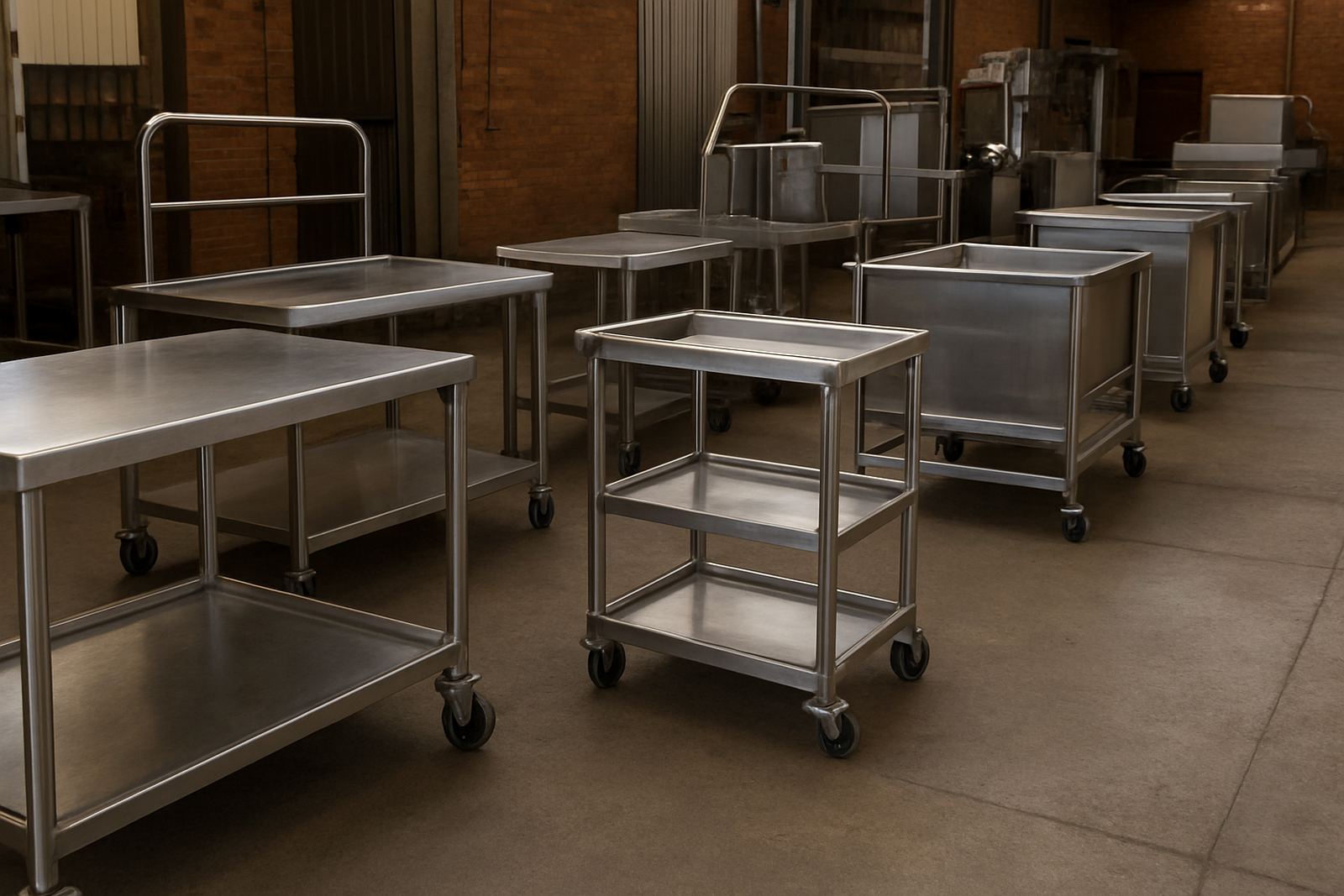
The client is a stainless fabrication shop in Alberton making food equipment parts for local processors, caterers and small production kitchens. Their team was strong on TIG, but the amount of finishing after each weld was slowing output down, especially on visible seams, corner joints and thin sheet parts. They wanted a cleaner process that would cut post weld cleanup and keep the finish more consistent from one operator to the next.
The brief was simple enough: weld faster, reduce heat distortion, keep the stainless looking neat and avoid long hand finishing sessions. The shop works on mixed batches, so they also needed a system that could be moved around the floor and used on different jobs without a big setup time. It had to suit 304 and 316 stainless, with the option to work on thin gauge assemblies and small brackets, guards and frames.
- Client type: food equipment fabricator
- Town: Alberton, Gauteng
- Material focus: stainless steel assemblies
- Main pain point: too much grinding and polishing after welds
- Goal: faster throughput with cleaner welds
What was holding production back
The biggest constraint was time. Each job needed a lot of preparation and then even more time after welding to tidy up the bead, remove discolouration and bring the joint back to a presentable finish. On repeat work, that extra labour was hard to justify. The team also had to manage load-shedding around the shop schedule, so any process that wasted power or forced stoppages was a problem.
Another issue was consistency. With manual TIG, results depended heavily on the person on the torch and the thickness of the part. On some assemblies the welds were sound but too proud for the final finish. On others, heat input caused slight pull on thin parts and the fit-up needed correction. The client needed a welding method that would help reduce that variation, and still be practical for a working fabrication floor in Alberton.
The shop also works in a food environment where clean lines matter. Stainless has to look good, and the internal team wanted less spatter, less colour change and fewer marks from grinding discs. In simple terms, they wanted less touch-up and more first-time right work.
The handheld fibre laser setup we supplied
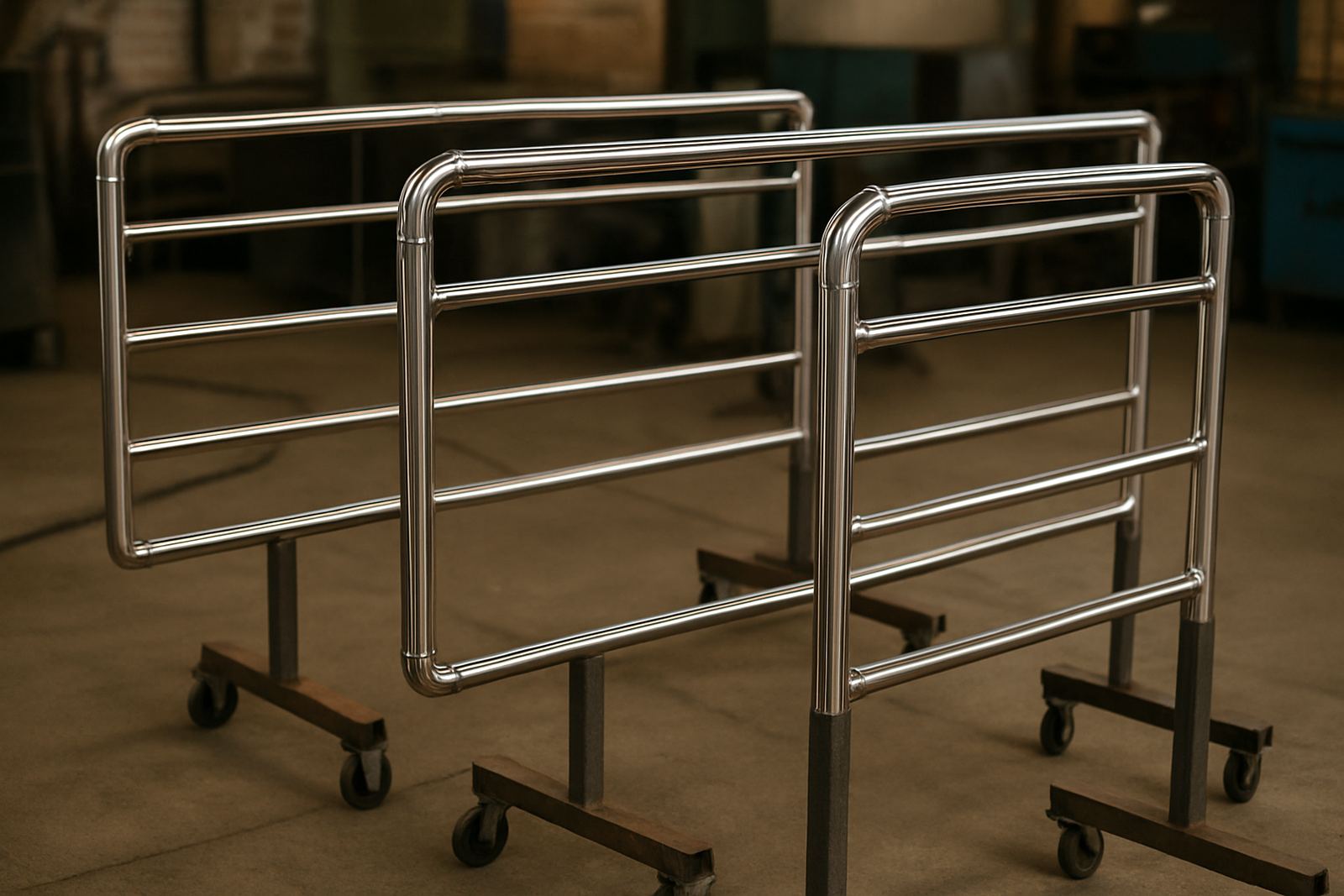
We brought in a handheld fibre laser welding package sized for stainless fabrication work, then set it up around the client’s normal job mix. The unit was commissioned on site and tested on common parts from their production list, including flat sheet joins, box sections, tubes, brackets and small frames. We tuned settings for thin stainless and made sure the operators could switch between common joint types without wasting time.
The system was paired with practical training so the team could use it confidently on the shop floor. Training covered torch handling, seam alignment, parameter selection, joint preparation, safe operation and basic daily checks. We also worked through how to reduce heat input on sensitive parts and when to slow down or change technique for better root fusion. The aim was not only to hand over a machine, but to make it useful on real jobs from the first week.
- Handheld fibre laser welding unit for stainless work
- Commissioning and practical setup on site
- Operator training for day shift and production staff
- Weld trials on typical food equipment parts
- Parameter guidance for thin gauge stainless
- Safe working routine and daily machine checks
How the first three weeks of rollout worked
Week one was all about commissioning, test coupons and setting the right starting parameters. We checked joint fit-up, travel speed and bead profile on different thicknesses. The team then ran short production trials on real parts so the settings were based on actual work, not just sample material. By the end of the week, they had a clear feel for how the torch behaved on corners, laps and outside seams.
Week two focused on operator training and process repeatability. We spent time with the main welders and the production supervisor, showing how to keep the laser spot steady and how to avoid excess heat build-up. Small changes made a big difference, and the results were cleaner than the shop expected. There were a few teething issues with part preparation, but once the team standardised clamping and cleaning, the welding got more predictable.
Week three covered production rollout and a review of output. At that stage the shop had enough confidence to use the system on normal jobs, not only sample pieces. We also advised on a maintenance routine that fit their shift pattern and local conditions. Spartan can be dusty, and a food equipment shop still needs clean prep areas, so keeping optics and working surfaces tidy was part of the plan. It was a practical rollout, not a fancy one, and that suited the client fine.
Results seen on the floor in Alberton
The biggest result was less post weld cleanup. Welds were cleaner straight off the torch, which reduced grinding and polishing time on visible stainless parts. That meant faster movement through the workshop and less labour tied up in finishing. The team also reported less distortion on thinner sections, which helped with fit and assembly downstream.
They were able to use the system on a wider range of small to medium jobs, and the repeatability was good enough to support batch work. On jobs that previously needed a lot of rework, the operators could now get closer to final finish in one pass. The client also appreciated that training was done on their own parts, so the learning curve was shorter and the changeover felt practical rather than disruptive.
- Less grinding and less polishing after welding
- Cleaner weld appearance on stainless parts
- Better consistency between operators
- Reduced heat distortion on thin sections
- Faster turnaround on repeat production work
What we would do again on a similar food fabrication job
If we did this type of project again in Alberton or anywhere else in Ekurhuleni, we would keep the same approach: commission on real parts, train the operators early and align the setup to the shop’s actual production mix. That makes the handover more useful than a generic demo. We would also spend time on pre weld cleaning and fit-up, because laser welding works best when the prep is done properly and the joints are consistent.
For a food equipment workshop, that attention to detail matters. The process is fast, but it still needs discipline in prep and handling. We would also plan the rollout around the shop schedule so normal production does not get interrupted. In this case, that helped the team settle into the new method without losing time on active orders. The result was a better fit for their business, and a cleaner way of working day to day.
For shops in Alberton, Germiston, Boksburg and the rest of the East Rand, we can bring the same sort of demo and training to your floor, then work through the exact parts you make. It is usually the quickest way to see whether laser welding suits your work, and it saves a lot of guesswork later on.
Key facts
| Project location | Alberton, Gauteng |
|---|---|
| Client type | Food equipment stainless fabricator |
| Material focus | 304 and 316 stainless steel |
| Process supplied | Handheld fibre laser welding |
| Timeline | 3 weeks from commissioning to rollout |
| Key outcome | Less post weld cleanup and faster assembly |