Randburg shopfitting brief for decorative stainless work
The job came from a shopfitting fabricator in Randburg that was building stainless steel display trims, kick plates, feature frames and small bracket assemblies for retail interiors. Their team was already good with conventional welding and polishing, but the brief was simple: reduce heat distortion, cut down on grinding, and get a cleaner finish on visible parts that had to go straight into high-end installs.
Because the work was for shopfitting, the parts were often thin, highly visible, and made in mixed batches. Some items were 1.0 mm to 1.5 mm stainless, others were small fabricated sections with tight corners and short seam runs. The client needed repeatable welds that would hold up on site, especially where installers were fitting pieces into malls and fit-out spaces with little room for rework.
They also wanted a process that could be used by different operators across shifts. Load-shedding was part of the reality in the workshop, so the main requirement was dependable setup, quick start-up after interruptions, and a method that would not waste material when power came back on mid job.
Why laser welding made sense for the visible finish
Shopfitting is not the same as heavy structural fabrication. In Randburg and the wider Johannesburg market, the work often depends on appearance just as much as strength. A stainless trim that is slightly warped can throw off the whole installation, and on-site polishing costs time the client does not always have.
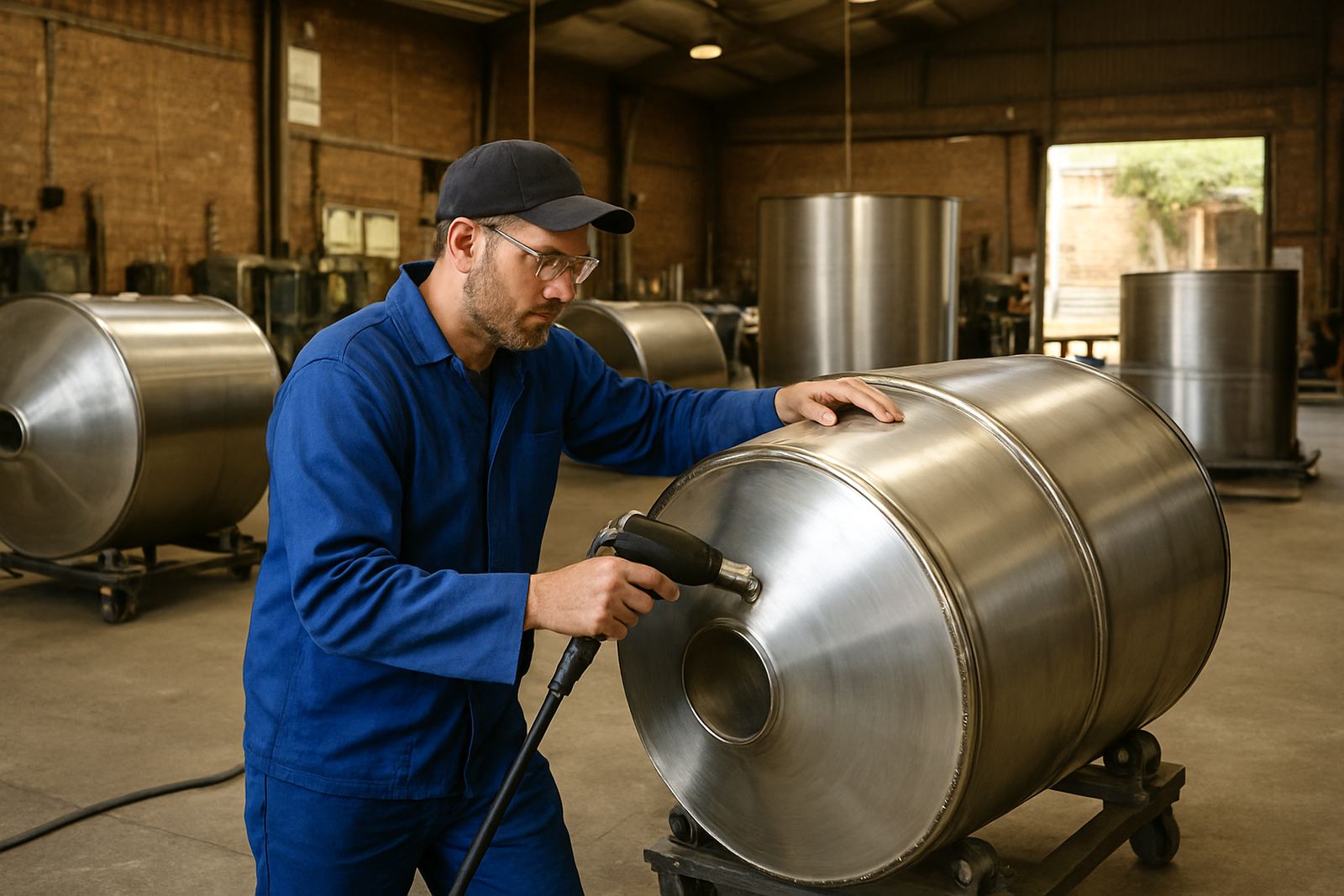
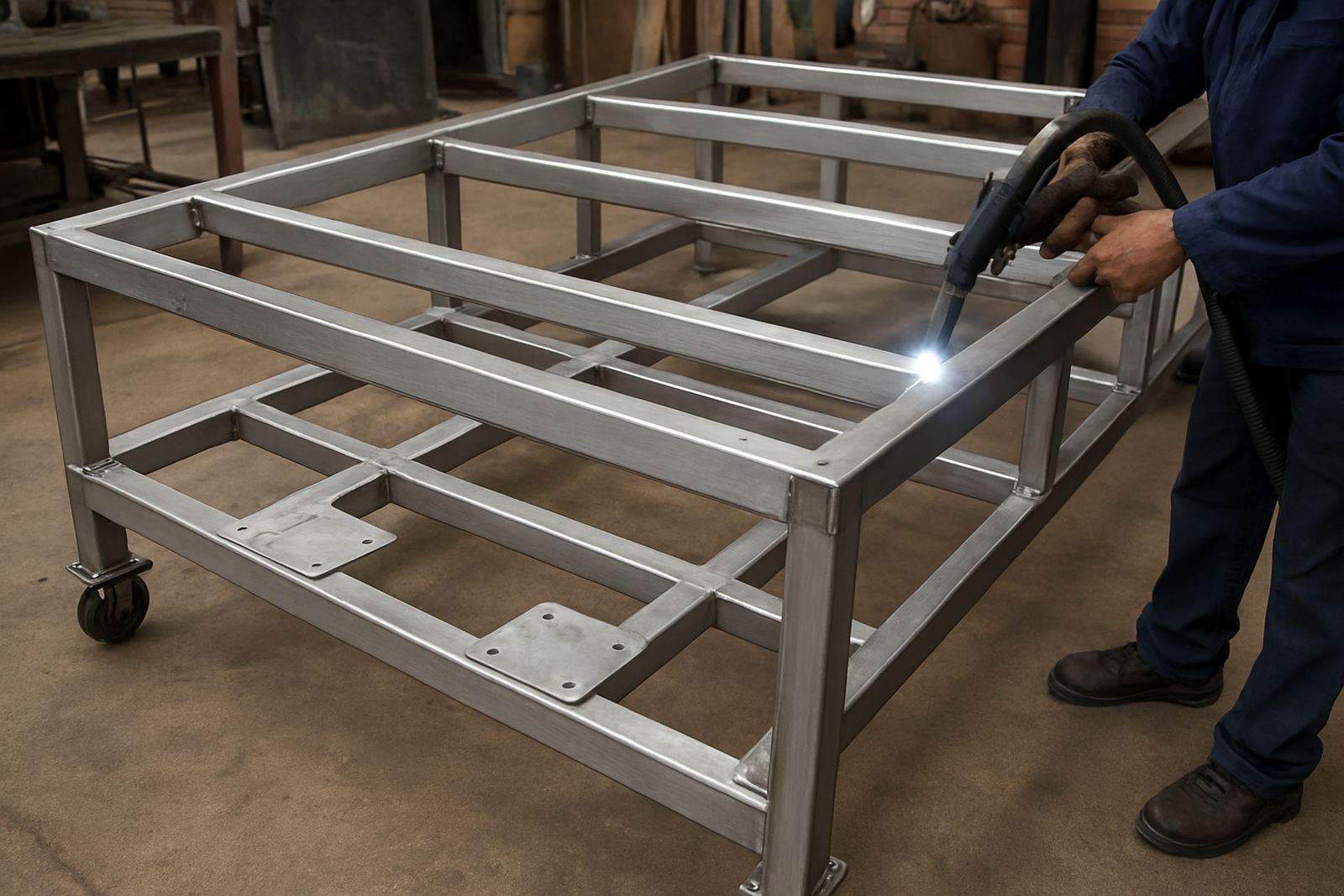
We recommended handheld fibre laser welding because it suited the type of stainless work they were doing. It gave fine control on short seams, less heat input, and a neater bead that reduced post-weld finishing. On the first samples, the team could see the difference immediately on edge joints, mitres and small corner assemblies.
- Material: stainless steel sheet and formed sections, mainly 1.0 mm to 2.0 mm
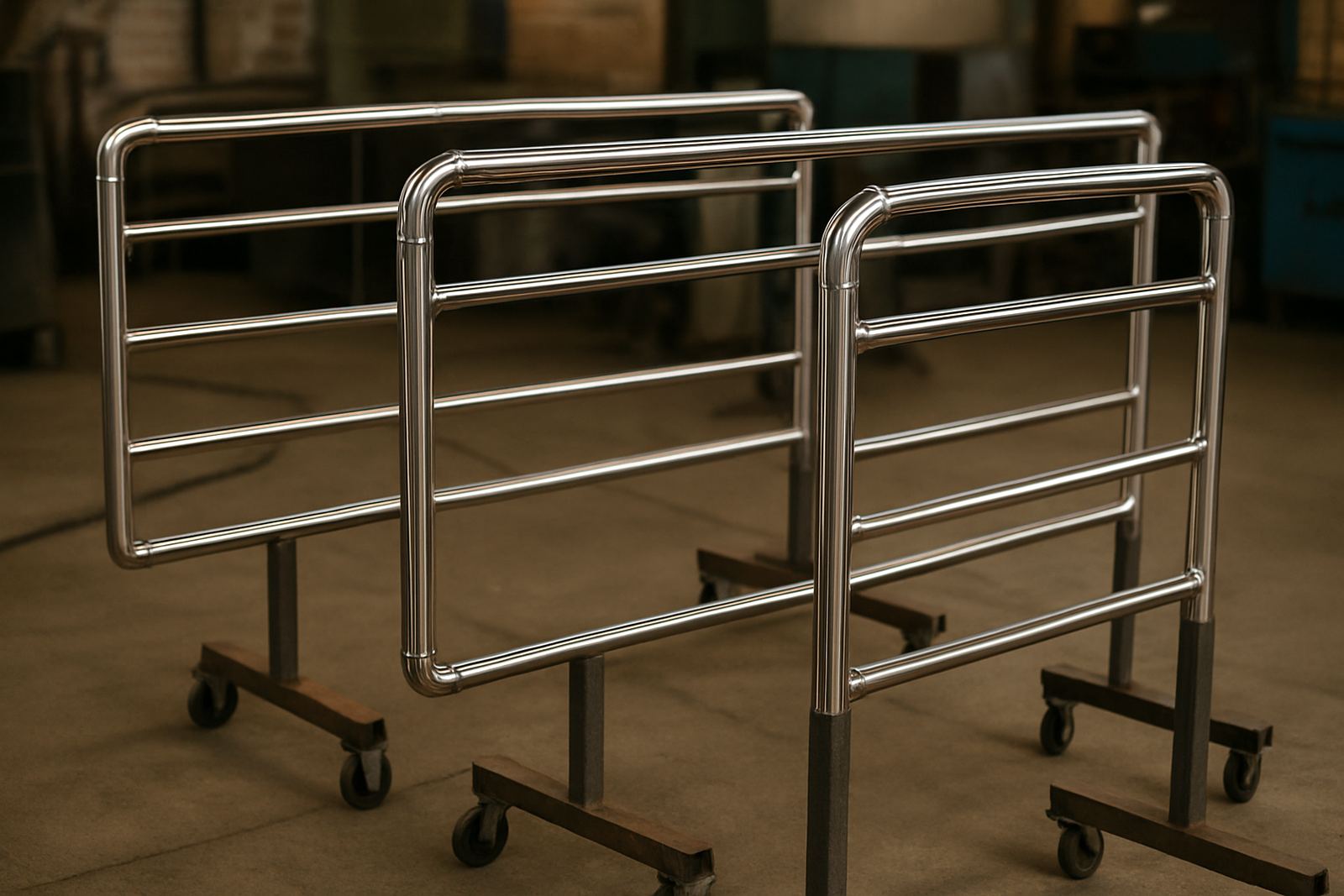
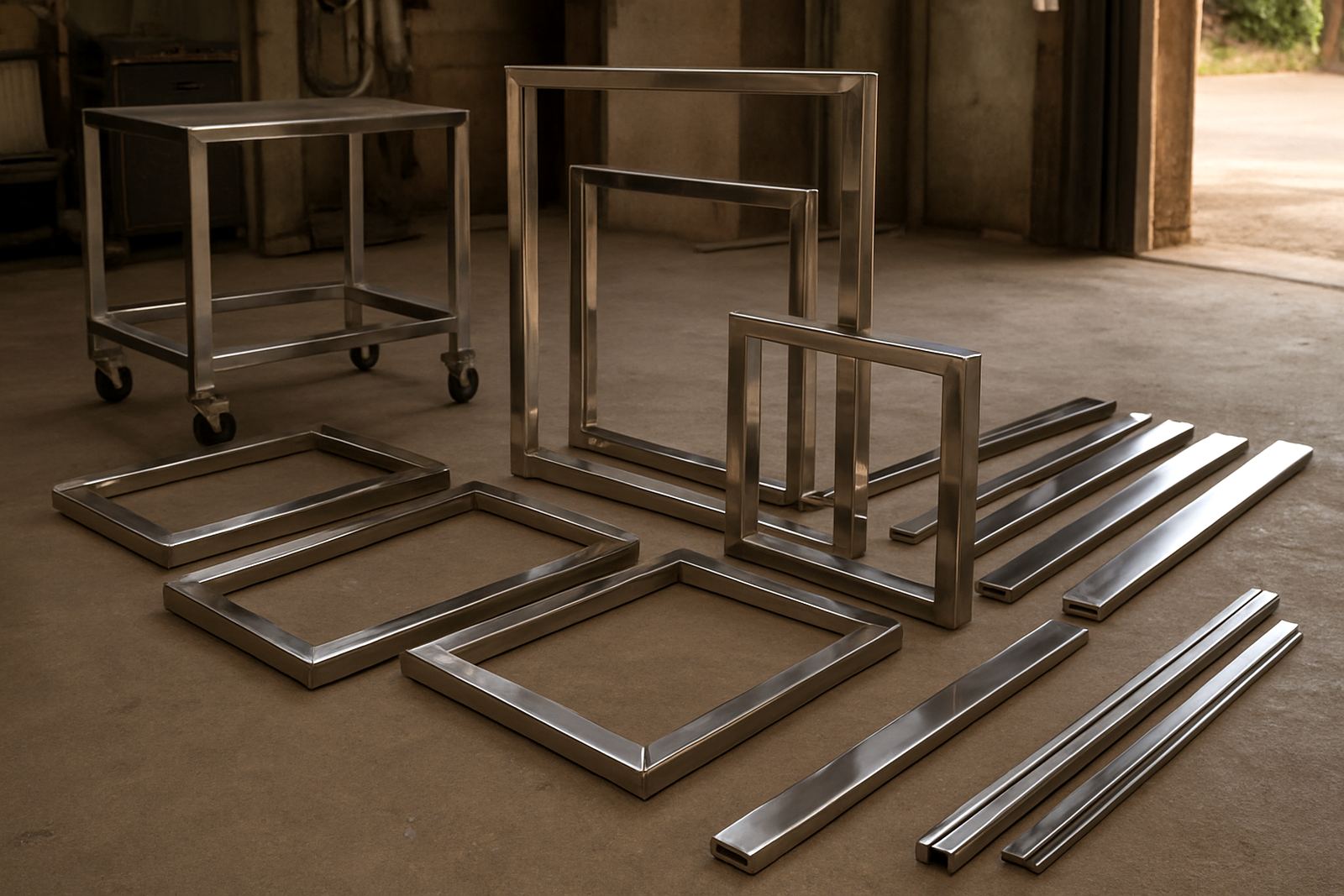
- Work type: decorative trims, frames, display components and fixings
- Joint types: butt joints, mitres, small fillet welds and corner repairs
- Finish requirement: low distortion and minimal grinding before polishing
- Workshop use: short production runs with mixed part sizes
What was supplied and how the Randburg setup was done
We supplied a handheld fibre laser welding unit with the controls set for thin stainless work, plus the basic consumables and setup guidance needed for shopfitting parts. The workshop layout in Spartan, Kempton Park was used as the reference for how they would place the machine, manage cable runs, and keep the work area clear for small assemblies and jigs.
Our team also helped the client select the right shielding approach for their common joint types and showed them how to prepare edges properly so they could get consistent fusion without overworking the material. For a shopfitter, that matters because a poor edge prep can show up as a cosmetic defect after polishing and fitting.
- Machine commissioning on site
- Operator training for day shift and production staff
- Process optimisation for stainless trims and frames
- Remote help during the first production week
- Refresher instruction for finishing and quality checks
Training the Randburg team over a three week rollout
The rollout took three weeks from first demonstration to stable day-to-day use. In week one, we ran sample welds on the exact stock the client was using, then adjusted travel speed, focus and weld pattern until the bead profile matched the finish they needed. Week two was hands-on operator training with real parts from the Randburg workshop. Week three covered production rollout, fault finding and quick checks before jobs left the floor.
The team picked it up quickly because the process was practical and the parts were already familiar. We spent time on workholding, edge cleaning and sequence planning so the weld heat would stay where it belonged. There were a few small issues at the start with fit-up on mitred corners, but once the crew adjusted the jig stops those problems dropped away.
We also covered how to manage the machine through power interruptions. In a Gauteng workshop that can save a lot of time, because it avoids stopping a shift for small settings changes after each outage. The client wanted fewer surprises and that was exactly what the training focused on.
Results on finish, speed and rework reduction
By the end of the rollout, the workshop was producing cleaner stainless assemblies with less heat marking and far less post-weld grinding. That was important because the parts were going into visible retail environments where a rough finish would be noticed straight away by installers and store fit-out teams.
The client saw better consistency on repeat jobs, and the welders could complete more small assemblies in a shift without sacrificing appearance. For shopfitting, that matters because a neat weld on the first pass keeps polishing time under control and helps the job stay within budget.
- Less distortion on thin stainless sections
- Cleaner visible seams on trims and feature pieces
- Lower grinding and polishing time after welding
- More repeatable results across different operators
- Faster turnaround on mixed small-batch work
What we would repeat on the next shopfitting job
If we were doing the same kind of Randburg project again, we would still start with sample pieces from the client’s own material and keep the first training focused on the joints that show most often in shopfitting work. That approach saves time later because it sets the parameters around the real product, not a generic test coupon.
We would also keep the emphasis on jig quality, edge prep and operator confidence. In decorative stainless work, the best results usually come from careful setup rather than trying to force the weld. A tidy first pass is worth more than a fast but messy run, and the team understood that very quickly.
For shops doing retail fit-outs across Randburg, Sandton, Roodepoort or the rest of Gauteng, the same formula holds: test on your own material, train on your actual parts, and keep support close during the first production week. That is how you get useful gains, not just a new machine sitting in the corner.
Key facts
| Project type | Shopfitting fabrication for decorative stainless steel components |
|---|---|
| Location | Randburg, Gauteng |
| Material range | Stainless steel 1.0 mm to 2.0 mm |
| Timeline | 3 weeks from demo to production rollout |
| Machine type | Handheld fibre laser welder |
| Support included | Commissioning, training, optimisation and remote help |