The brief from a Benoni stainless tank workshop
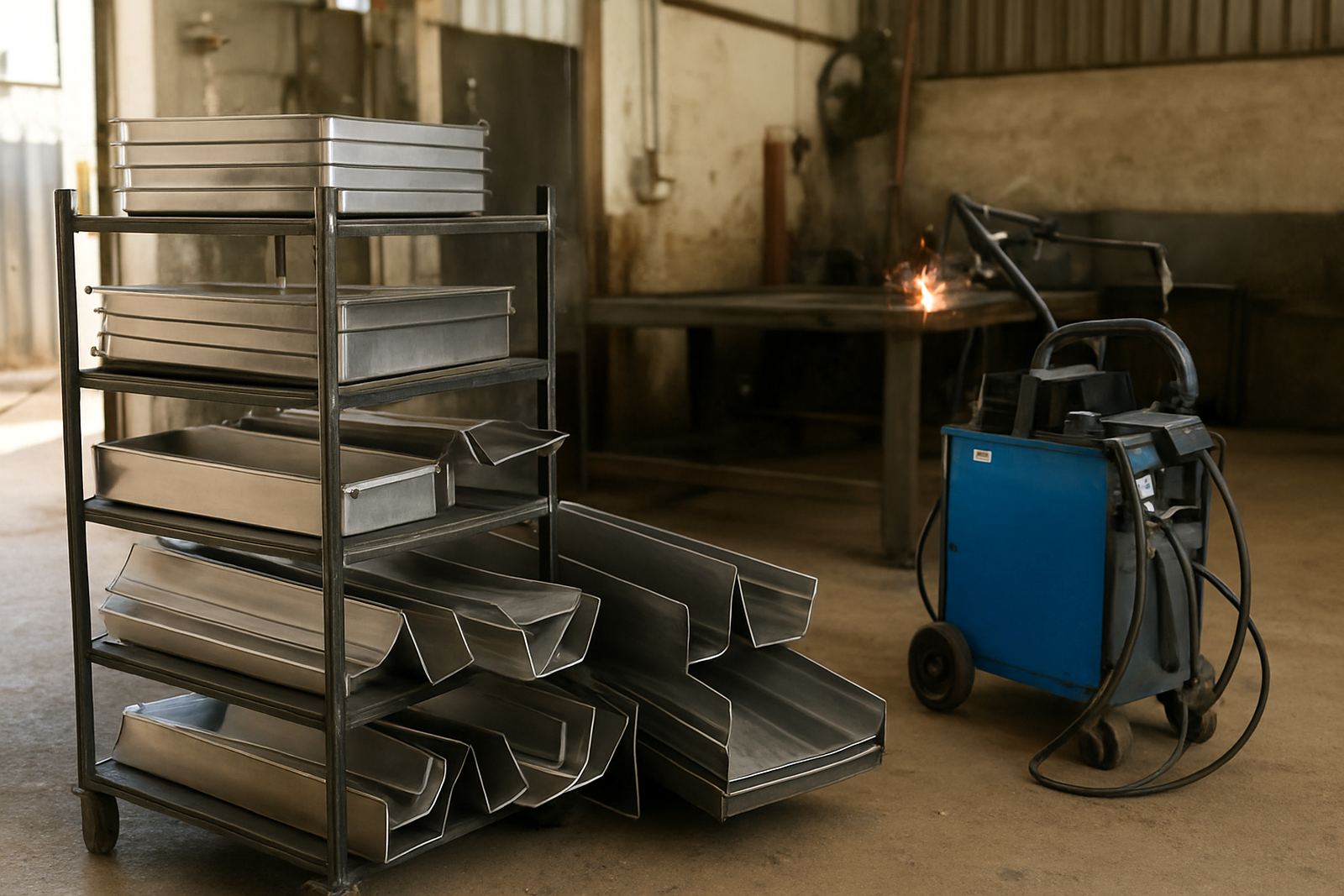
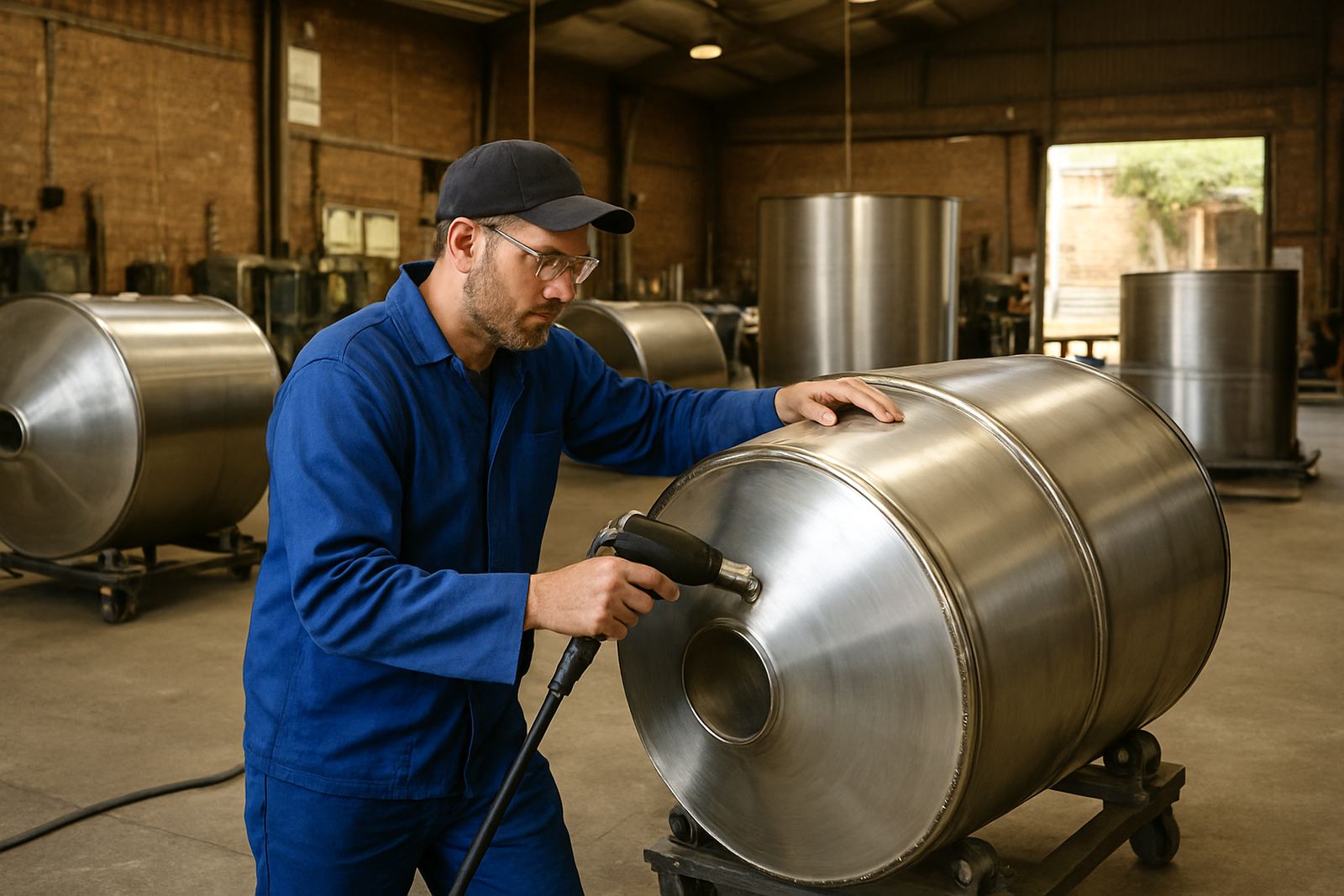
The job came from a fabrication shop in Benoni that builds and repairs stainless tanks for food handling, liquid storage, and custom plant work. Their main problem was not a lack of skill, it was consistency. Some seams looked good, but others needed too much grinding, dressing, and rework before the tanks could move on to polishing or pressure testing.
The owner wanted a cleaner weld process for 1.2 mm to 3.0 mm stainless, with less heat distortion and fewer finishing hours. The workshop also needed something the operators could learn quickly, because the team runs mixed jobs and cannot stop production for long. In short, they needed a welding method that suited real workshop conditions in Benoni, with dust, shift pressure, and the usual load-shedding interruptions that every shop around Ekurhuleni knows too well.
- Workpiece material: stainless steel tank sections, brackets, nozzles, and small repair patches
- Common thickness range: 1.2 mm to 3.0 mm
- Main pain points: seam consistency, heat build-up, grinding time, and rework
- Workshop goal: improve finish quality without slowing output
Live demo, job trial, and operator coaching
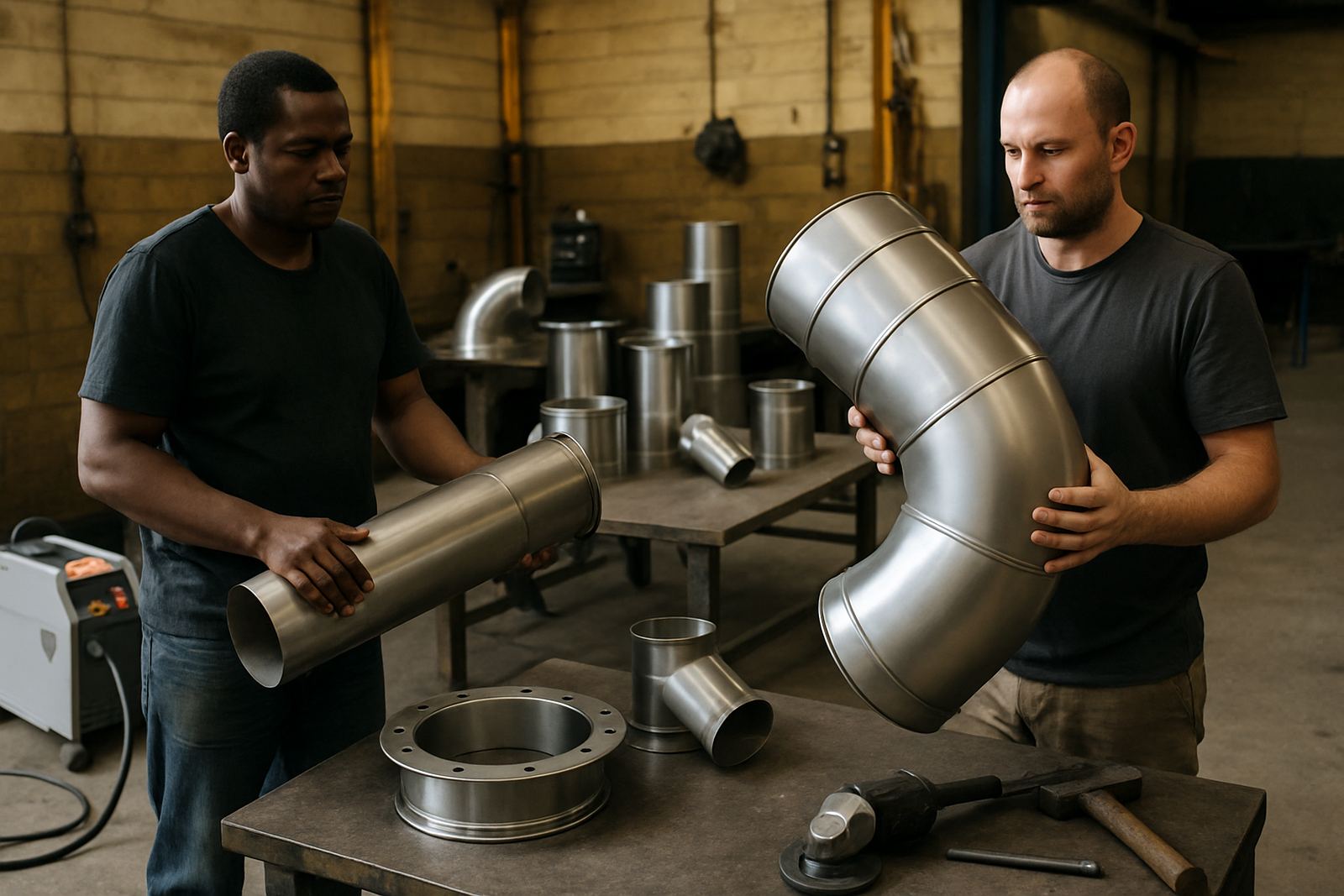
We arranged a live demo at the workshop so the team could see the handheld fibre laser welder on their own material and joint types. That made a big difference, because stainless tank work is rarely neat and simple on the first pass. We set up the machine, walked through the parameters, and tested seam lines on curved sections, flat seams, and repaired cut-outs.
Training was done on site with the people who actually run the jobs. Tshegofatso led the practical coaching, while Reuben handled application set-up and weld testing. We showed the team how to prepare joints properly, set travel speed, maintain torch angle, and read the weld pool without overheating the edge. The operators picked it up quickly, especially on long seams where the bead needs to stay even from start to finish. One of the strongest gains was how fast the team could move from setup to a clean weld with minimal dressing after, which mattered on tank bodies and access lids.
- Demo format: live welding on client material in the Benoni workshop
- Training focus: seam control, hand position, joint prep, and repeatable settings
- Support provided: parameter guidance, weld testing, and production advice
- Outcome of the demo: the team could see finish quality before committing to rollout
What we supplied and how the rollout was handled
We supplied a handheld fibre laser welding package suited to stainless fabrication, together with process advice for tank seams, repair work, and production changes. The machine was configured for steady duty in a busy workshop, where operators need quick changeovers and reliable output. We also assisted with commissioning so the workshop could get going without a long delay.
The rollout took two weeks from first demo to training completion. In week one, we ran the demo, checked the current workflow, and identified the jobs that would benefit most. In week two, we returned for operator training and process optimisation, with repeat welds on the same parts until the team had a feel for the settings. Ayanda coordinated service and follow-up, while Gert handled technical sales input and machine selection. Wynand reviewed the final production plan with the owner so the workshop could assign the right jobs to the right operators. The setup was kept practical, because a shop like this needs equipment that slots into daily production, not a complicated learning curve.
- Timeline: 2 weeks from demo to training and rollout support
- Machine type: handheld fibre laser welder for stainless fabrication
- Typical use: seam welding, repair patches, fittings, and tank components
- Support included: commissioning, production planning, and refresher guidance
Results on seam quality and finishing time
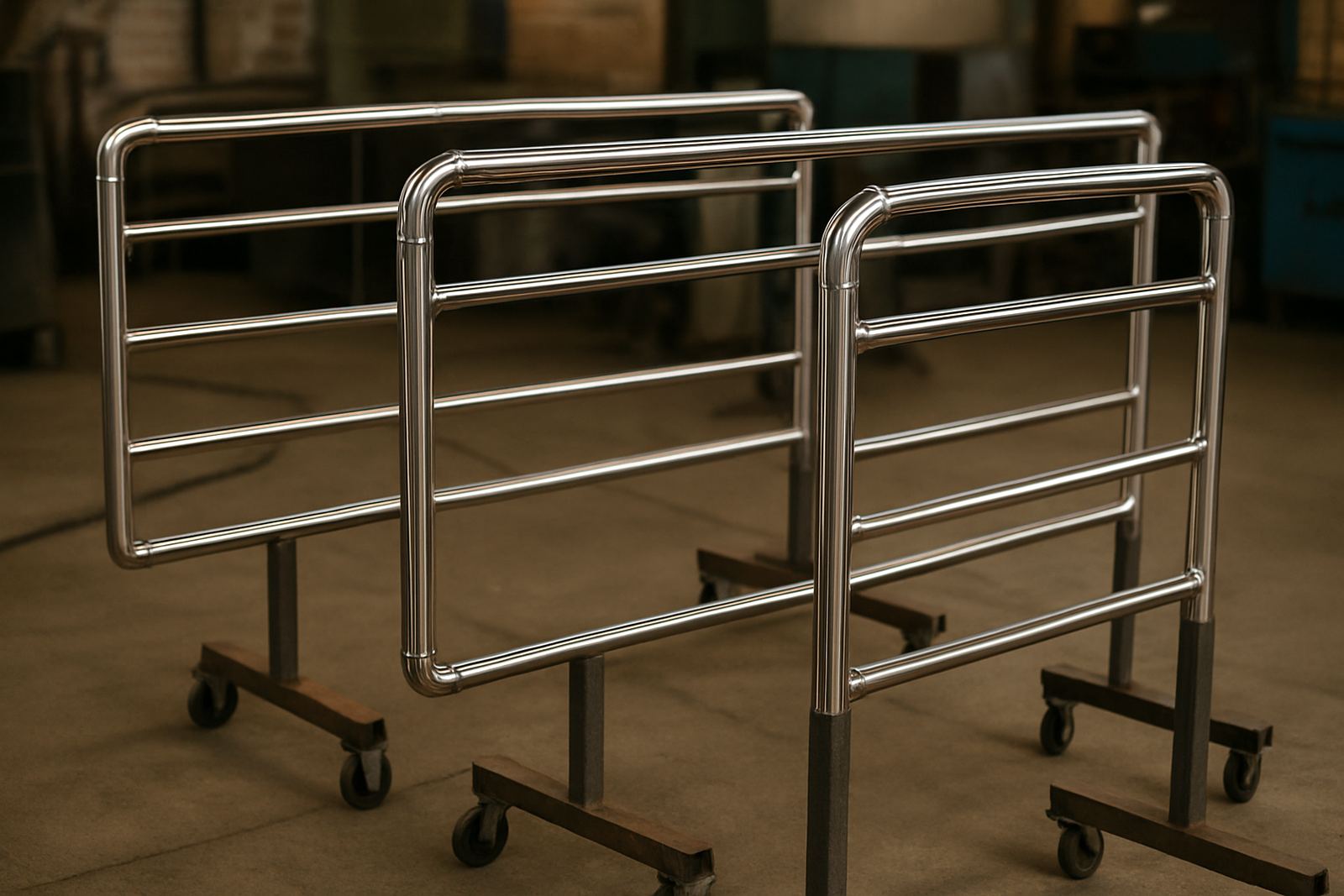
Once the operators settled in, the workshop saw a clear lift in seam quality on the tank jobs that had been causing the most trouble. The welds were neater, with less discolouration and less heat distortion on thin sections. That meant less grinding and less time spent cleaning up before the next stage of production. For stainless work, those gains matter because a small defect can show up after polishing or water testing.
The biggest practical change was speed without sacrificing finish. The team could complete more of the visible seam work in-house with better consistency, and the repair jobs became easier to manage. On a busy week, that can help a workshop avoid overtime, especially when power cuts or municipal interruptions push work into tighter windows. The owner also said the operators were more confident on repeat jobs because they had a repeatable method instead of guessing at settings each time.
- Cleaner seams on visible tank welds
- Less grinding and dressing after welding
- Improved consistency between operators
- Better confidence on repeat production jobs
A Process Suited To Benoni Tank Fabrication
The workshop did not want a flashy system that only works in a controlled test. They wanted a process that suits real stainless tank fabrication in Gauteng, where job cards change quickly and machines need to keep working through the week. A handheld fibre laser welder made sense because it gave them precise control on thin-gauge material, especially where MIG or TIG work had been leaving too much cleanup.
They also liked that the process could be adopted in stages. The operators did not have to relearn the whole shop overnight, and the management could introduce the new method on selected jobs first. That made the change easier to manage in Benoni, where workshop space is often tight and production lines share tooling, benches, and gas equipment. The team asked for a setup that would work on tank shells, lids, supports, and small stainless fittings, and the demo showed exactly that. It was not about replacing skill, it was about giving the welders better control and more repeatable results.
- Good fit for thin stainless and visible seams
- Useful for shops with mixed job loads and limited space
- Suitable for phased adoption on selected production lines
- Helps reduce dependence on heavy post weld finishing
What we would repeat on the next stainless tank job
If we were doing the same type of job again, we would still start with a live shop demo on the actual tank parts. That is the quickest way to confirm joint fit-up, hand movement, and finish expectations before anyone commits to a full rollout. We would also keep the training close to the production floor, because operators learn faster when they are standing beside their own jigs, clamps, and work tables rather than in a generic classroom.
We would repeat the same follow-up too: weld testing after the first training session, a short review of settings after a few production runs, and refresher support once the team has seen the machine in normal use. For shops in Benoni, Germiston, Boksburg, or further out in Ekurhuleni, that practical support matters more than sales talk. The result is a better weld on stainless tanks, fewer surprises, and a process the shop can keep using long after the first job is done.
- Start with a live demo on the client’s own parts
- Train the actual operators, not just supervisors
- Check weld results after the first production runs
- Keep a simple support plan for future job changes
Key facts
| Client type | Stainless tank fabrication workshop |
|---|---|
| Town | Benoni, Gauteng |
| Material range | 1.2 mm to 3.0 mm stainless steel |
| Project timeline | 2 weeks from demo to training completion |
| Services used | Machine Commissioning, Operator Training, Process Optimisation, Weld Testing, Refresher Training |
| Core outcome | Cleaner seams, less grinding, and better repeatability on tank work |