A Springs workshop handling light gauge stainless ducting
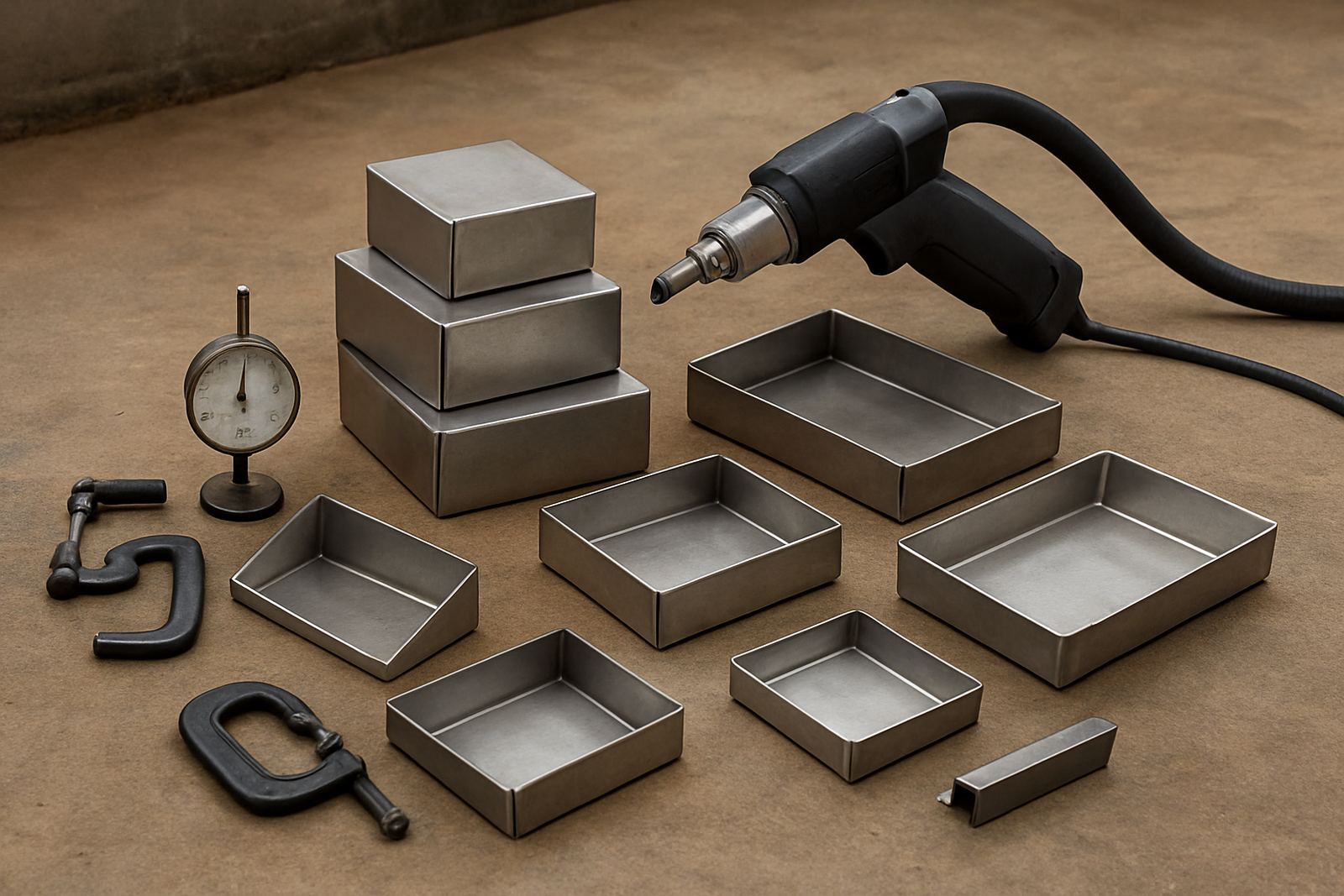
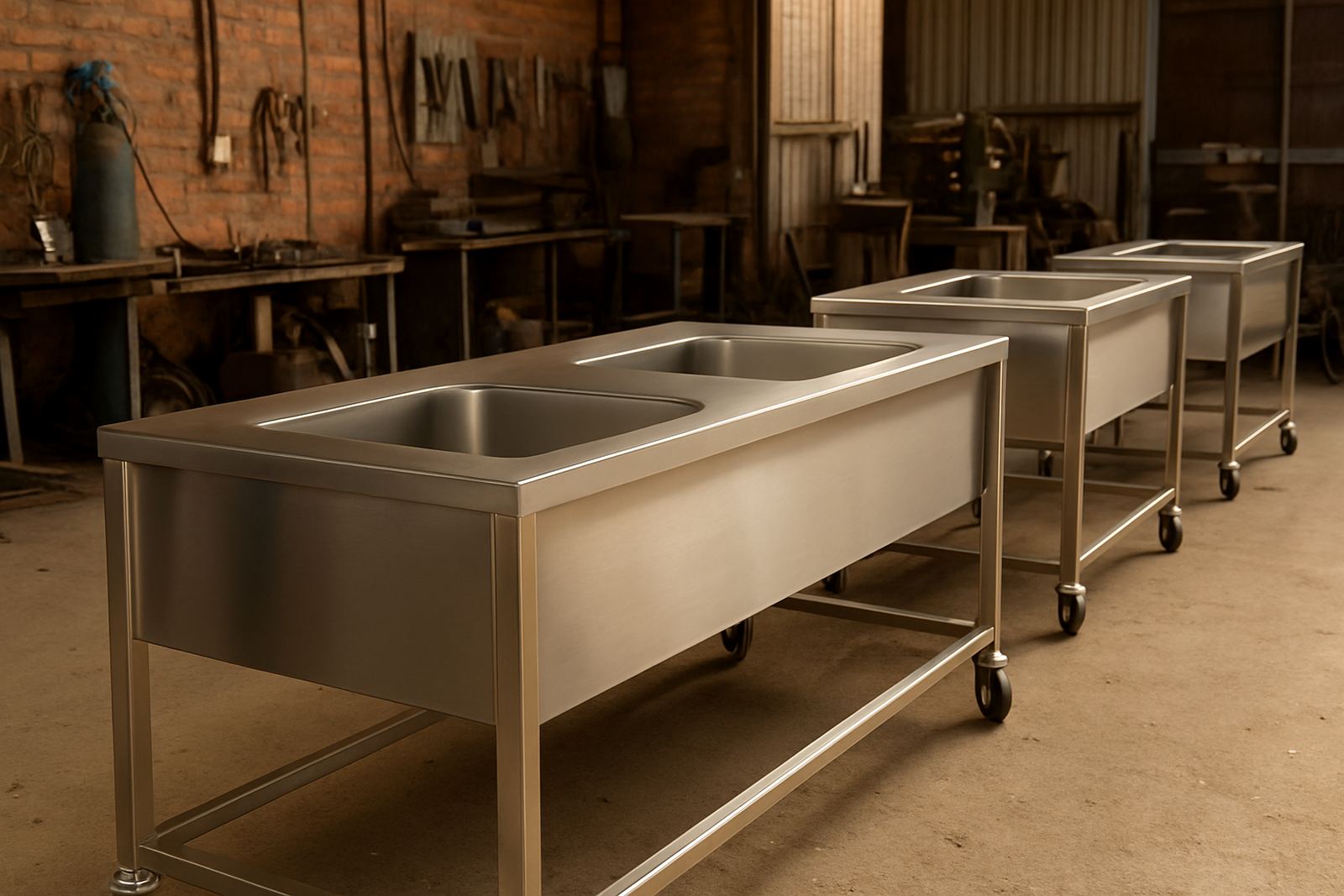
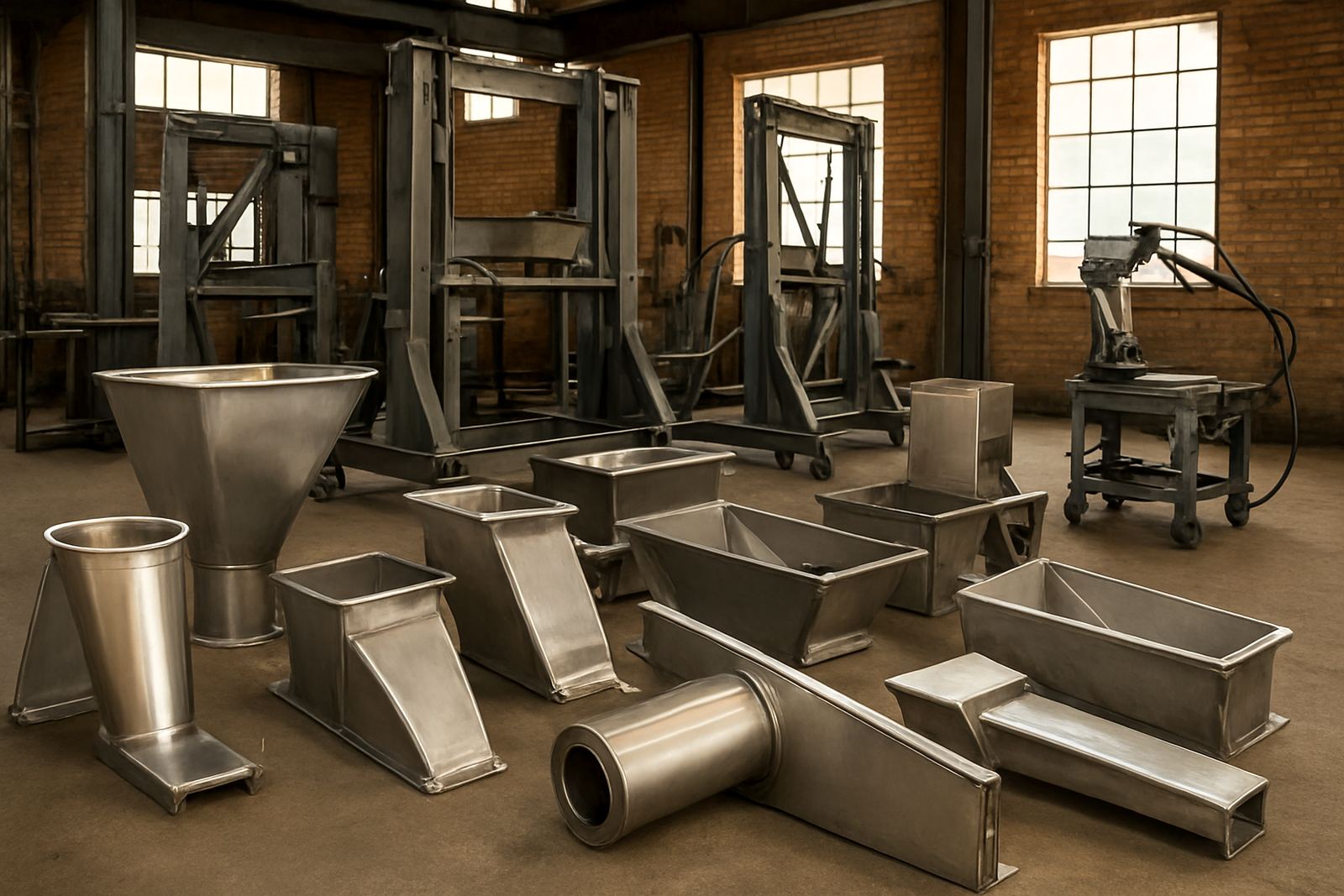
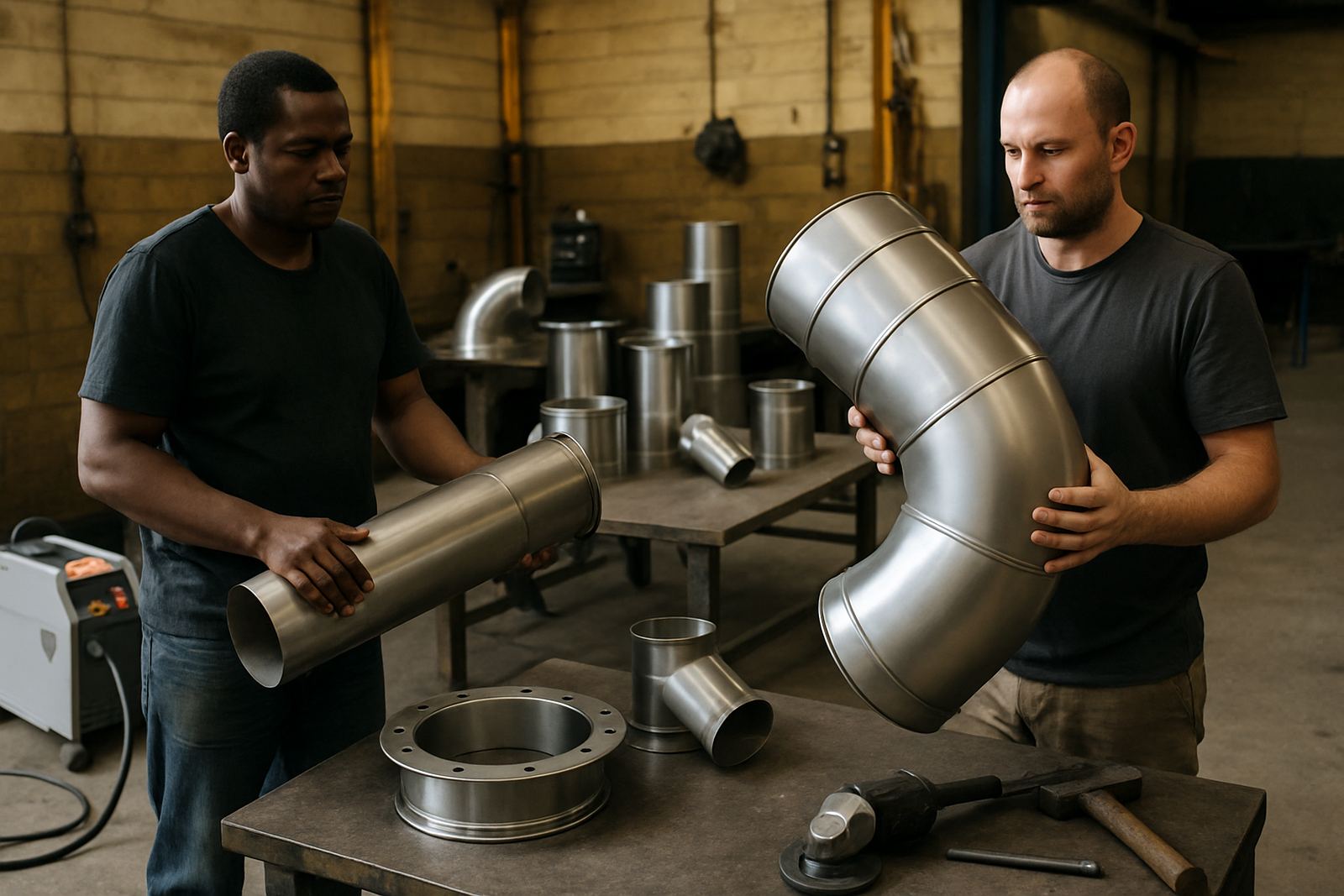
This project was in Springs, within Ekurhuleni, at a workshop making stainless ducting for local industrial fit-outs and equipment supply. The team worked mainly on light gauge sections, with a mix of straight runs, formed pieces and short custom jobs that had to leave the floor neat and on time.
The brief was straightforward. Improve weld quality on thin stainless, reduce rework at fit-up and cut the time spent cleaning each joint. The shop already had skilled fabricators, but the team wanted a better method for consistent seams on 0.8 mm to 2.0 mm stainless, especially on busy days when more than one operator was passing parts through the same bays.
Because the work involved a lot of visible finish on ducting, the client needed better control on heat input and distortion. They also wanted a process that would hold up in an ordinary workshop environment, with shifts affected by load-shedding and the usual stop-start pressure that comes with urgent orders.
What the client needed, and what was holding them back
The workshop had been joining thin stainless with conventional methods for years. That worked, but it meant more finishing time, more distortion on long seams, and more variation from one operator to the next. Some welds were strong, yet not neat enough for the standard they wanted on exposed ducting sections.
They also needed a better way to train newer staff. On a job like this, small changes in travel speed, torch angle and hand control can make a big difference. Without a clear process, the same joint can be perfect one day and then look tired the next, which slows down production and creates avoidable scrap.
- Improve weld appearance on thin stainless ducting
- Reduce grinding and rework on long seams
- Limit heat distortion on light gauge material
- Give operators a repeatable method they could follow under pressure
- Keep the process practical for a busy local workshop
Onsite setup, commissioning and hands-on training
We supplied an advanced handheld fibre laser welder set up for stainless fabrication, then carried out onsite commissioning at the Springs workshop. The machine was configured for their common ducting thicknesses and the team was shown how to set up the joint, clean the surface, select the right sequence and manage the bead on thin material.
Training took place at the shop floor, not in a classroom. That mattered because the operators could work with their own jigs, clamping methods and offcuts. We went through process checks, safe handling, beam positioning, seam start and stop technique, and how to keep the finish consistent across longer runs. Reuben Daniels handled application support while Tshegofatso Ramaboa led the practical training side.
- Machine commissioning on site in Springs
- Operator training for current staff and new hands
- Process optimisation for 0.8 mm to 2.0 mm stainless
- Joint prep guidance for ducting seams and corners
- Support for immediate production rollout after training
Working around load-shedding and production pressure
The workshop could not afford a long learning curve, so the roll-out had to be phased. The first week focused on setup, sample welds and getting the team comfortable with the torch and joint behaviour. The second week was used for production trials on real ducting pieces, with minor changes to clamping and sequence where needed.
Power interruptions were part of the reality in the area, so the team also wanted a process that could recover quickly after a stop. We checked operating routines for restart consistency, torch cleaning and daily inspection so that the machine would be ready when production resumed. It sounds simple, but on a tight schedule those details save real time.
The shop did not need a complicated system. They needed a method that could be taught, repeated and kept in shape by the people already on site. That is where the combination of direct training and practical process changes made the difference.
Results on the floor after two weeks
Within two weeks, the workshop had a more stable method for light gauge stainless ducting and the operators were less reliant on grinding to hide uneven seams. The welds were cleaner straight off the tool, and the team reported less distortion on long runs, especially where panels had to stay flat for assembly.
The biggest change was workflow. Once the operators understood the sequence, parts moved through the shop more predictably. There was less stopping to correct fit-up, less backtracking to rework joints, and a better finish on visible sections. That helped the client keep output moving without pushing people harder.
- Cleaner welds on thin stainless sections
- Less heat input and reduced distortion
- Lower grinding time after welding
- More consistent results between operators
- Better flow through the ducting bays
For a workshop in Springs, that meant better use of labour and a more dependable production line. It also gave the client confidence to take on slightly more demanding ducting jobs without worrying about the finish slipping when the shop got busy.
What we would repeat on a similar ducting line
If we did this job again, we would follow the same approach: start with the exact material thicknesses in use, train on the shop floor, and test the common joint types before pushing into full production. That keeps the learning tied to real work, not theory.
For stainless ducting shops around Ekurhuleni, or further out in places like Germiston, Boksburg, Alberton and Kempton Park, this method works well when speed and finish both matter. It is especially useful where a team needs cleaner welds without adding another finishing station or extra labour.
We would also keep a close eye on basic maintenance from day one, including lens care, torch condition, gas checks and daily cleaning. Those small habits keep performance steady and help the team avoid down time later on. In a fabrication shop, that kind of discipline makes a proper differnce.
Our role is not only to supply the machine but to help the workshop use it well. In this project, that meant turning a capable tool into a practical production asset for the people on the floor.
Key facts
| Project type | Onsite fibre laser welding setup and training for a stainless ducting workshop |
|---|---|
| Town | Springs, Ekurhuleni |
| Material focus | Stainless steel light gauge ducting, mainly 0.8 mm to 2.0 mm |
| Timeline | 2 weeks from commissioning to production rollout |
| Core services | Machine Commissioning, Operator Training, Process Optimisation, Production Rollout |
| Outcome | Cleaner welds, less distortion, less grinding, and steadier output |