Why the Polokwane team wanted a new welding method
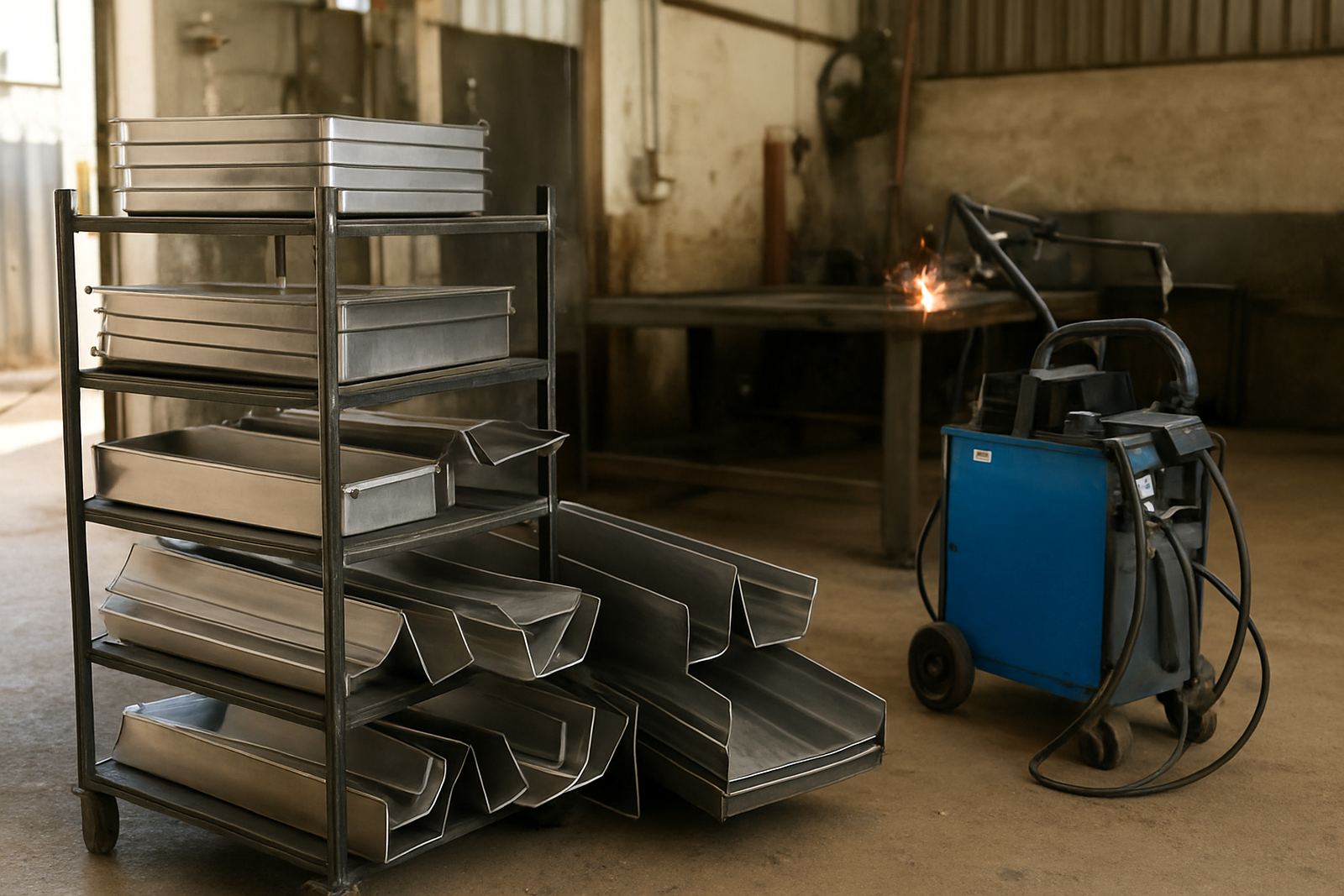
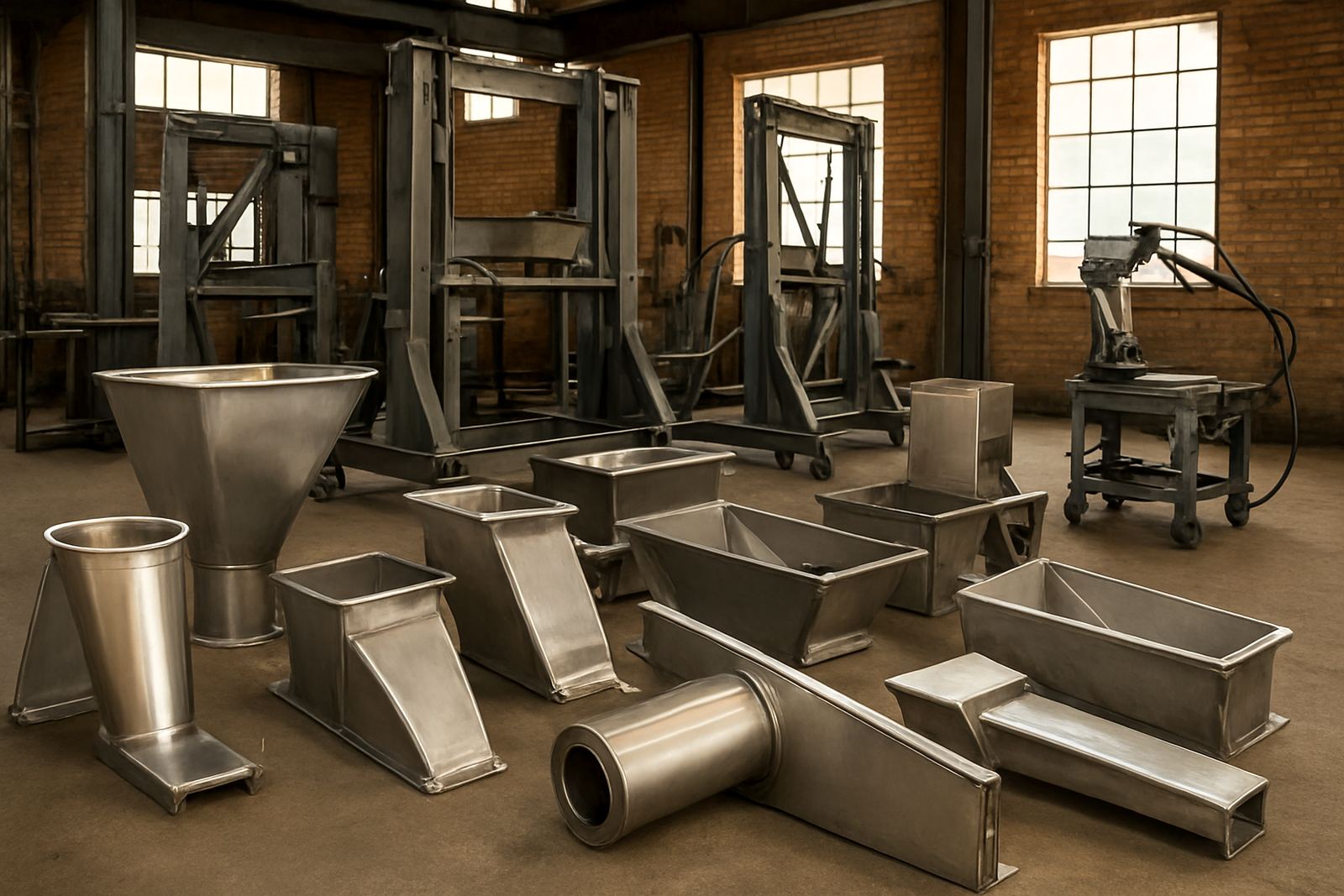
The client makes stainless steel hoppers for food handling and light processing in Polokwane, with sections cut from sheet and folded into angular forms. Their main issue was the finish on long seam joints and corner welds, where TIG gave good strength but still needed plenty of dressing before the units could move on to polishing and assembly.
They were also working with a mix of short runs and repeat orders, so any process change had to fit normal shop conditions. The workshop had welding bays, grinders, and a fair amount of movement between fabrication, fitting and final checking. On days when load-shedding moved the schedule around, they needed a process that could still be used without a long setup each time.
Before we started, the team wanted to know three things: whether the welds would hold up on 1.2 mm to 2.0 mm stainless, how much post weld work would be left, and whether operators could pick up the method quickly enough for day to day use.
Brief, constraints, and what had to stay practical
The brief was simple. Trial laser welding on a representative hopper section, check seam quality, and compare it with their current method on time, finish and repeatability. The factory asked for a process that would suit 304 stainless, with neat bead appearance and low distortion on visible faces.
The constraints were typical of a working fabrication shop in South Africa. They had limited floor space, a mix of experienced welders and newer operators, and a busy production line that could not stop for long. The site also had to manage normal municipal safety rules, fume control, safe storage of gas cylinders and clear walkways around the welding area.
- Material: 304 stainless steel sheet and folded sections
- Thickness range: 1.2 mm to 2.0 mm
- Typical joint type: long seams, corner joints and short return welds
- Workshop setting: mixed production area with grinding, fitting and final assembly nearby
We agreed up front that the trial would focus on practical output, not just a good looking sample. The question was whether the team could make clean seams without slowing the rest of the job down.
What we supplied and how the trial was set up
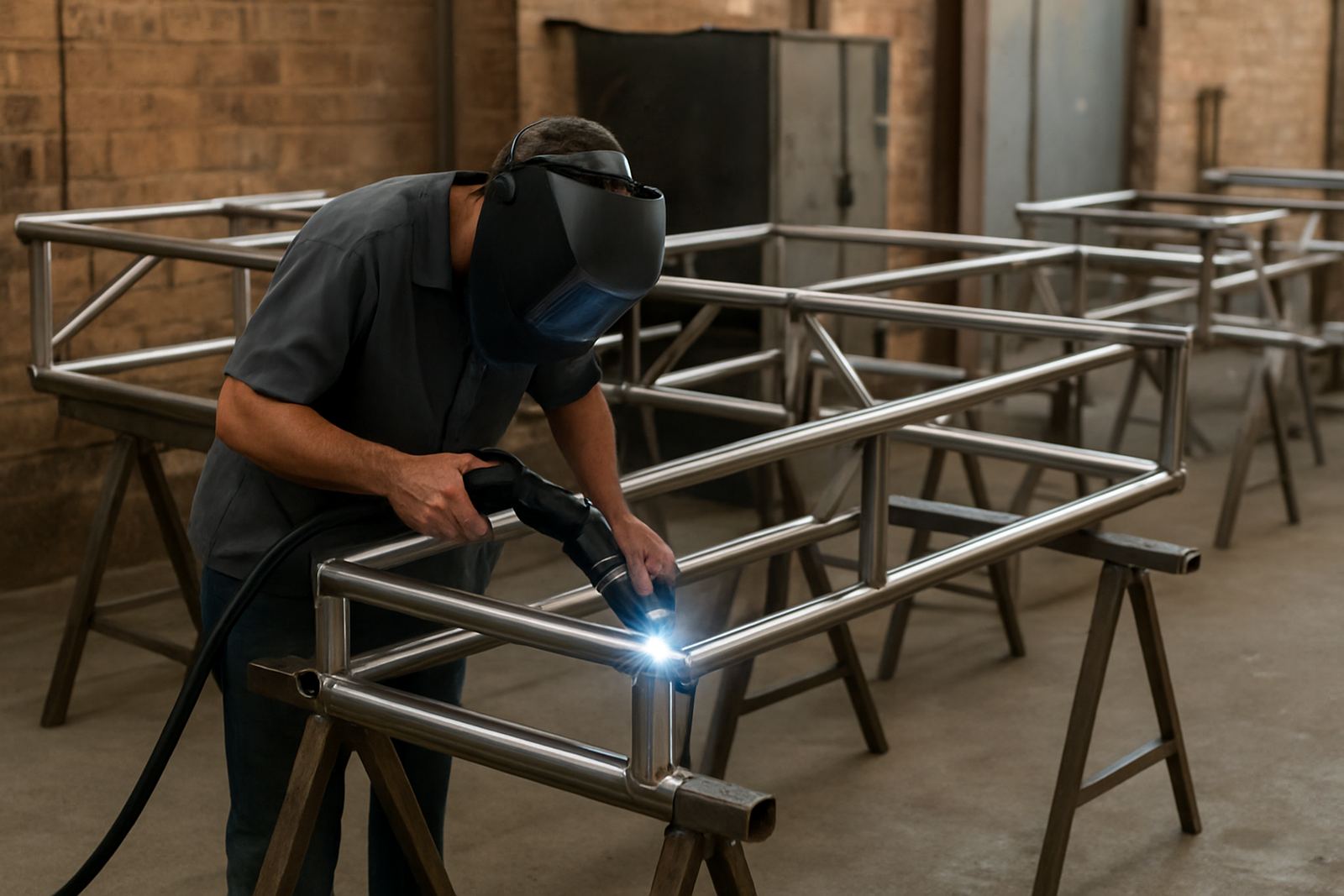
We brought in a handheld fibre laser welder set up for stainless fabrication, together with the needed process consumables, safety checks and basic setup support. Power availability was reviewed first, because the shop needed a sensible approach to supply stability and backup planning during load-shedding. The machine was then commissioned on site and checked on scrap before moving to the hopper sections.
The first session covered machine control, torch handling, seam preparation and travel speed. We also covered fit-up tolerance, because laser welding rewards good joint prep and consistent clamping. On the hopper parts, the team worked with clean edge prep, tight seams and controlled tack positions so the weld could run without gaps opening up.
Our technical team stayed with the operators through the first full pieces and made small process changes as needed. That included adjusting travel speed, beam position and torch angle for corner runs and longer flat seams. A quick change in setup made a noticeable difference on the external corners, where the bead needed to stay even and thin with minimal heat mark.
- Machine commissioning at the Polokwane shop
- Operator training on the hopper sections
- Joint fit-up guidance and weld testing
- Process optimisation for visible stainless seams
- Remote help after the visit for follow-up questions
Training the team on live hopper sections
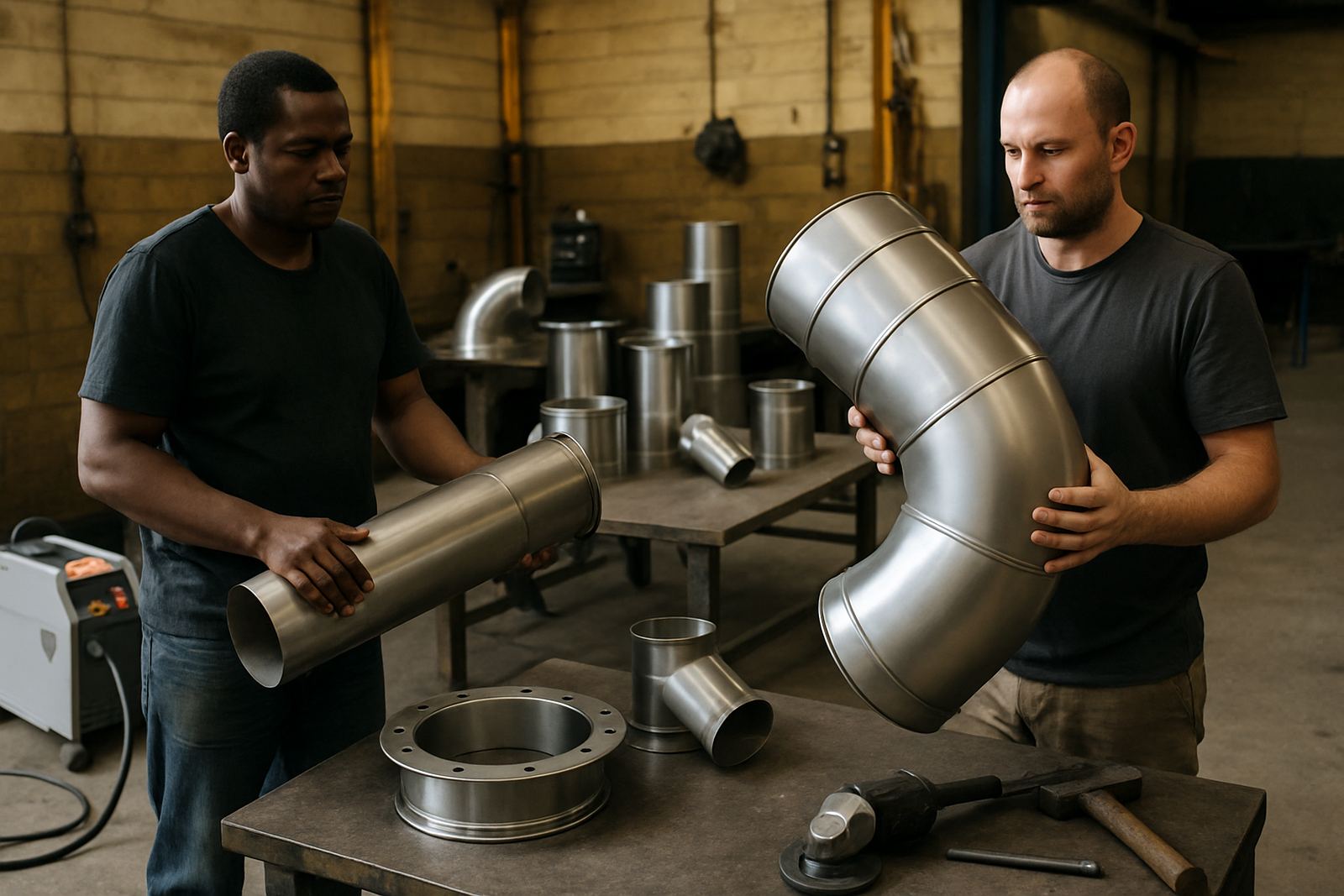
The training was built around the people who would actually use the machine. Rather than a classroom session alone, we worked on live production parts so the operators could see how the beam behaved on corners, inside returns and long straight seams. That made the learning quicker and gave the team confidence to repeat the same settings on the next batch.
Tshegofatso Ramaboa led the hands-on training with support from Reuben Daniels during setup and weld testing. The operators picked up the basics faster than expected, especially the importance of consistent travel and clean joint prep. One of the fitters commented that the seam looked like it had already been finished, which saved a fair bit of grinding later on.
We also showed the team how to spot small problems before they grew into scrap. If a gap opened up, or if a corner was not clamped tightly enough, the laser would show it straight away. That made the process useful for quality control as well as speed.
Results from the trial over two weeks
The full trial ran over two weeks, with the first week used for setup, training and test seams, and the second week used for repeated production pieces. By the end of the trial the client had a repeatable method for their hopper seams and a much cleaner finish on visible joints. The welds were strong, even and consistent across the sections we tested.
The biggest gain was less time spent on finishing. Because the weld bead was narrower and the heat input lower, the team cut down on grinding and rework after welding. There was also less distortion on the flatter panels, which helped the hoppers keep their shape during final assembly. For a shop that moves parts from one station to the next, that saved time in more than one place.
- Cleaner seam appearance on visible hopper faces
- Less post weld grinding and dressing
- Lower distortion on thin stainless sections
- Faster repeat work on similar hopper batches
- Better consistency between operators
The client did not need a full process overhaul to see the benefit. The new method fit into their current workflow, which made it easier to adopt without interrupting the rest of production.
What proved useful on this Polokwane hopper build
If we were doing the same type of job again, we would start with a short fit-up review before the first weld, then run a sample seam on the exact material thickness used in production. That saves time later and keeps the settings close to the real job from the start. We would also keep the same focus on clamping, because tidy fit-up matters more than people sometimes expect.
For stainless hopper work, we would recommend a simple production rollout plan: one lead operator, one backup operator, and a short refresher after the first week. That keeps the process steady when the shop gets busy or someone is off sick. If the site is on a tighter power schedule, we would plan the work around available supply and keep a realistic backup arrangement in place.
The Polokwane job showed that laser welding is not just for show pieces. With the right prep and proper training, it works well on real fabrication work where finish, speed and repeatability all matter.
Local support for shops beyond Gauteng
Although our base is in Spartan, Kempton Park, we regularly travel to fabrication shops nationwide for demonstrations, training and process support. For customers in Polokwane and surrounding areas, that means practical help on site, not just advice from a distance. We can assist with commissioning, maintenance, breakdown response, spares supply and production rollout.
The same approach works whether the workshop is making hoppers, tanks, frames or other stainless assemblies. We look at the joint, the material, the finish required and the pace of production, then match the process to the job. That is usually where the real improvement starts.
Key facts
| Project location | Polokwane, Limpopo |
|---|---|
| Client type | Stainless steel hopper manufacturer |
| Material | 304 stainless steel |
| Thickness range | 1.2 mm to 2.0 mm |
| Trial duration | 2 weeks |
| Process used | Handheld fibre laser welding |