What the Brakpan shop needed from the welding process
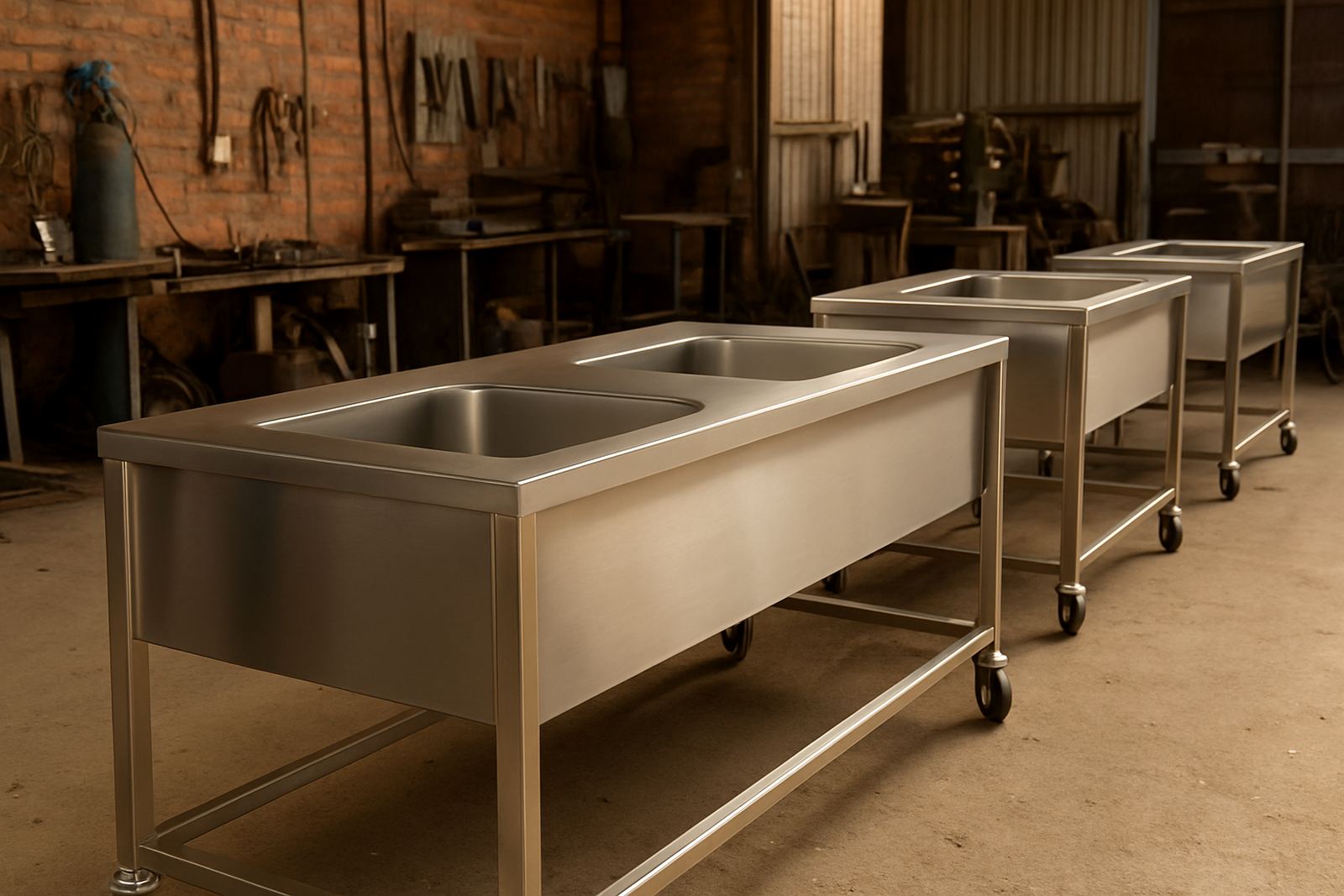
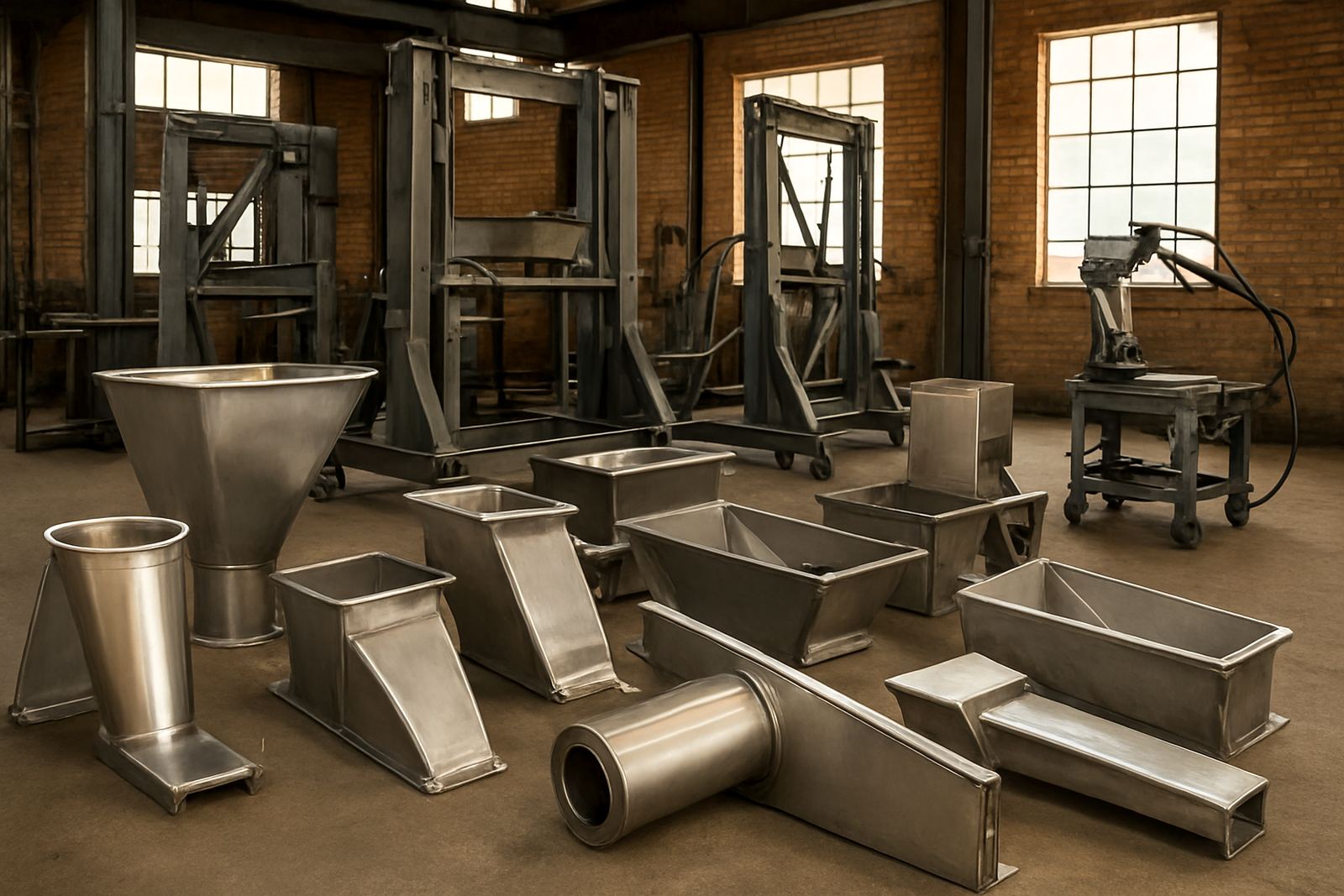
The client works with stainless sheet components for local fabrication and maintenance work in Brakpan and the wider East Rand. Their team was spending too much time on tack-up, seam finishing and distortion control on folded parts, especially where long visible runs had to stay neat after bending. The brief was simple enough: reduce finishing time, keep heat input low, and give the welders a process they could use on repeat jobs without a lot of fuss.
The shop was not looking for a theory lesson. They wanted something practical for day-to-day fabrication, with enough control for thin stainless and enough speed to make a difference in production. Access in the workshop was tight, some jobs were mixed between small batches and repeat runs, and power interruptions were always a concern in Ekurhuleni. The new process had to fit into that reality, not the other way round.
They also wanted support that would carry through after the first delivery. That meant setting the machine up properly, showing the welders how to use it on real parts, and giving the production lead a way to standardise settings for common sheet thicknesses. Not just a handover and a nod, but a proper start.
Equipment supplied and the job setup
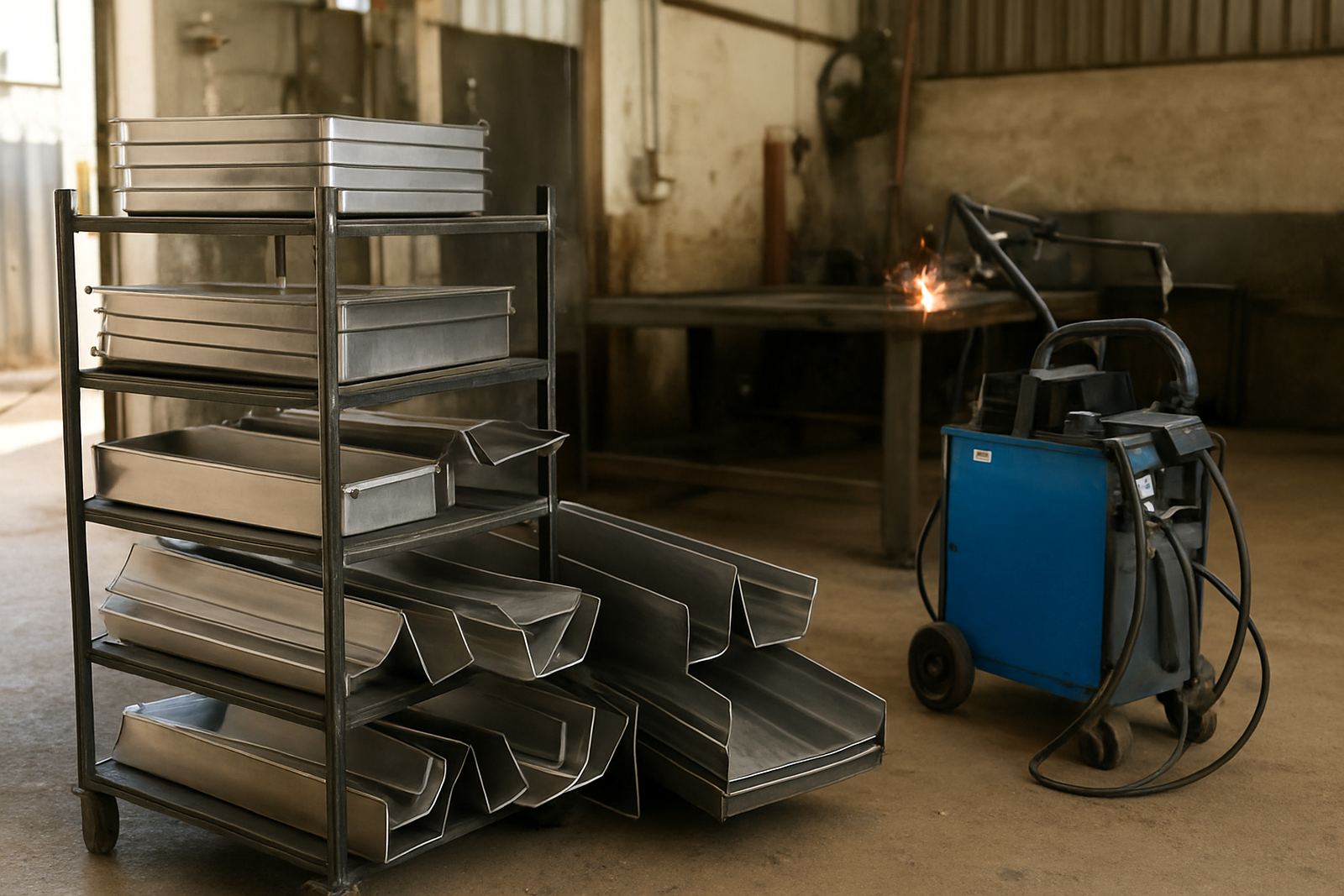
We supplied a handheld fibre laser welder suitable for stainless steel sheet work, with a compact power source for workshop use and a hand torch suited to controlled seam welding on folded assemblies. The setup was chosen for clean weld appearance, low distortion and quick learning on repetitive fabrication work. The machine was positioned for a 230V workshop supply with consideration for load-shedding scheduling and safe generator use where needed. The air cooled arrangement reduced the need for extra water service lines, which suited the shop layout.
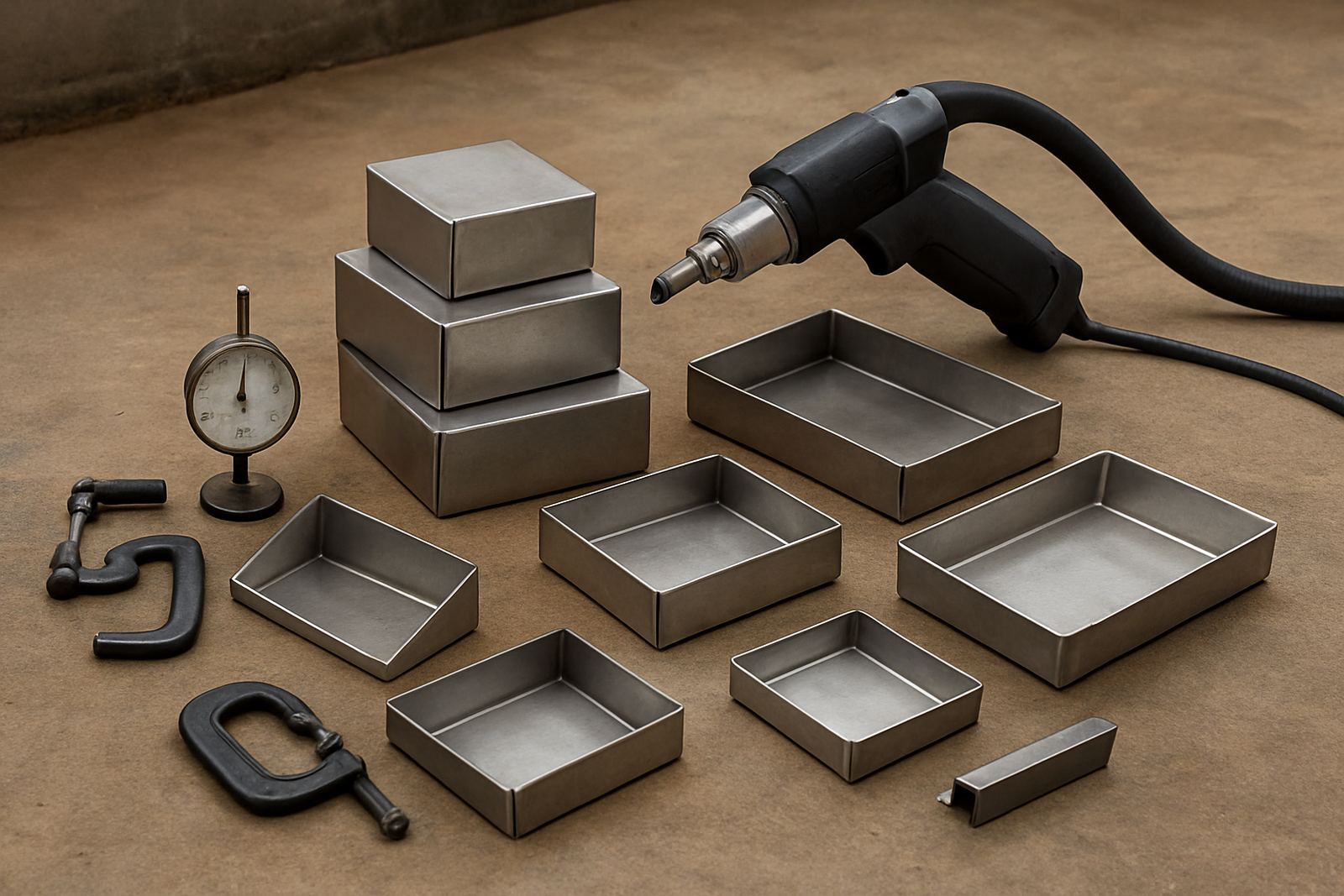
We also supplied the practical items that make a difference on a real floor: spare protective lenses, nozzles, wire feed consumables for the common thicknesses on site, and a basic settings guide for the team. The guide covered stainless sheet in typical ranges of 0.8 mm to 2.0 mm, with notes for fillet joints, lap seams and corner joints. For the thicker brackets and support pieces they sometimes mixed into the same builds, the team could switch settings without having to start from scratch each time.
- Handheld fibre laser welding system for stainless sheet work
- Settings guide for common sheet thicknesses from 0.8 mm to 2.0 mm
- Consumables pack with lenses, nozzles and wire support items
- Workshop-ready setup for local power conditions and short batch runs
Training on folded assemblies and seam control
Training took place at the Brakpan shop over two visits in week one and week two, with follow-up support after that. The first session focused on safe handling, torch angle, travel speed, fit-up and how to keep the seam steady on folded parts. The team needed to understand how the process reacts to joint gap, oil on the sheet and inconsistent prep. Once those points were clear, the learning curve was fairly quick.
The second session moved into production jobs. We worked through long seams on folded stainless trays, side panels and covers, then adjusted settings for visible external welds where the finish mattered. Reuben and Tshegofatso ran the practical part with the welders on site, while Gert and Ayanda handled the technical setup and support notes. The shop lead got a simple reference sheet for settings, and the operators had a repeatable method for tacking, welding and checking the result before moving to the next part.
There were a few early teething issues, mostly around holding a stable hand position on long runs and keeping the work clamped properly. Once that was sorted, the team settled in fast. The first clean seams built confidence, and by the end of the second week the process was already being used on the parts that used to take the longest to finish.
Timeline from order to production use
The full rollout ran over three weeks. Week one covered the site assessment, machine delivery and initial commissioning. Week two focused on operator training and live welding on the client’s own folded assemblies. Week three was used for follow-up checks, small setting changes and process optimisation on the parts that mattered most to their output.
That short timeline mattered because the shop could not afford a long interruption. They had existing orders in the queue and wanted the new process working without upsetting delivery dates. By keeping the setup local to the parts they already made, we avoided a long changeover period and kept the team working while they learned.
- Week 1: delivery, commissioning and safety checks
- Week 2: operator training and live seam work on production parts
- Week 3: optimisation, follow-up and production handover
Results on the shop floor in Brakpan
The biggest improvement was on seam work for folded assemblies. The team cut out a lot of post-weld grinding and the finish became more consistent across repeat jobs. Thin stainless was easier to manage because the heat affected zone stayed smaller than with their older approach, so distortion dropped and parts stayed truer after welding. That saved time not only at the welding bench but also at fit-up and final inspection.
They also gained better control on visible seams. On jobs where the weld had to look clean as well as hold properly, the new process gave them a neater line and more predictable results. Welders who were used to conventional methods were able to adapt after the training, and the production manager could see the difference in both throughput and rework. It was not magic, just better control and less waste of time.
For a sheet shop, that matters. A few minutes saved on every seam becomes a proper gain over a full shift. The client now has a method that suits the sort of work they actually do, and the process is easier to standardise across the team.
Support we would repeat on the next site
If we were starting the same job again, we would keep the same order of work: assess the common joints first, commission the machine on the actual job mix, then train on real folded assemblies rather than test pieces only. That made the learning practical and reduced the gap between training and production. We would also keep the settings guide tight and shop-specific, because generic notes are not much use when the welders need to get on with the day.
After the first rollout, the client could still call for remote help, spare parts planning, preventive maintenance and refresher training if new staff joined. That kind of follow-up is important in a busy East Rand workshop, especially when orders change and new operators come in. The machine works best when the process is kept simple, the consumables are on hand and the team sticks to a clear method.
For Brakpan sheet fabrication, the lesson was clear: the right handheld laser welding setup can make seam work faster without asking the shop to change everything else. That was the point of the project, and it held up in practice.
Key facts
| Client type | Stainless sheet metal fabricator |
|---|---|
| Town | Brakpan, Gauteng |
| Main work improved | Faster seam welding on folded stainless assemblies |
| Material range | Stainless sheet from 0.8 mm to 2.0 mm, with mixed light fabrication parts |
| Timeline | 3 weeks from commissioning to production handover |
| Support included | Commissioning, operator training, process optimisation and follow-up support |