What the Boksburg workshop needed
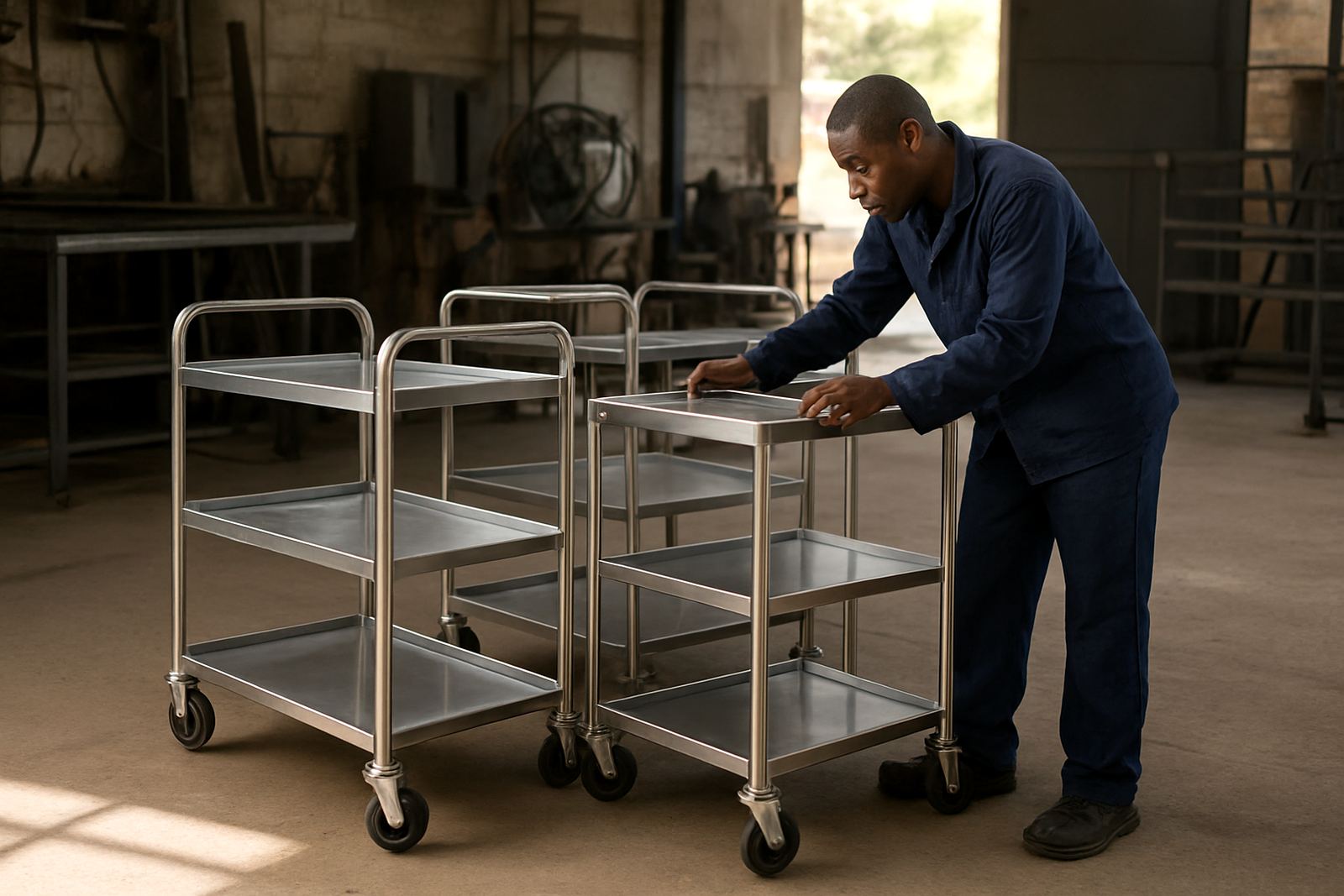
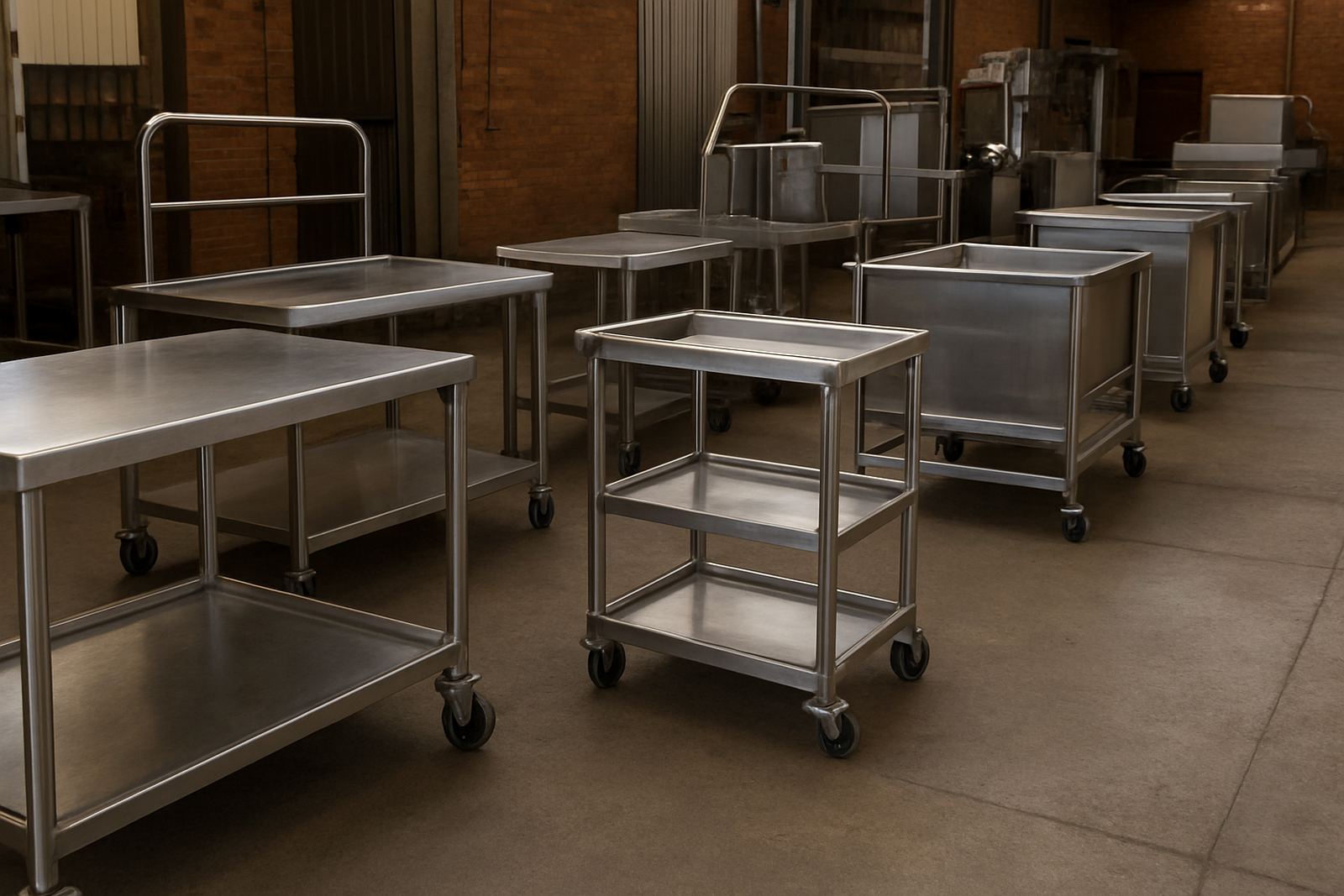
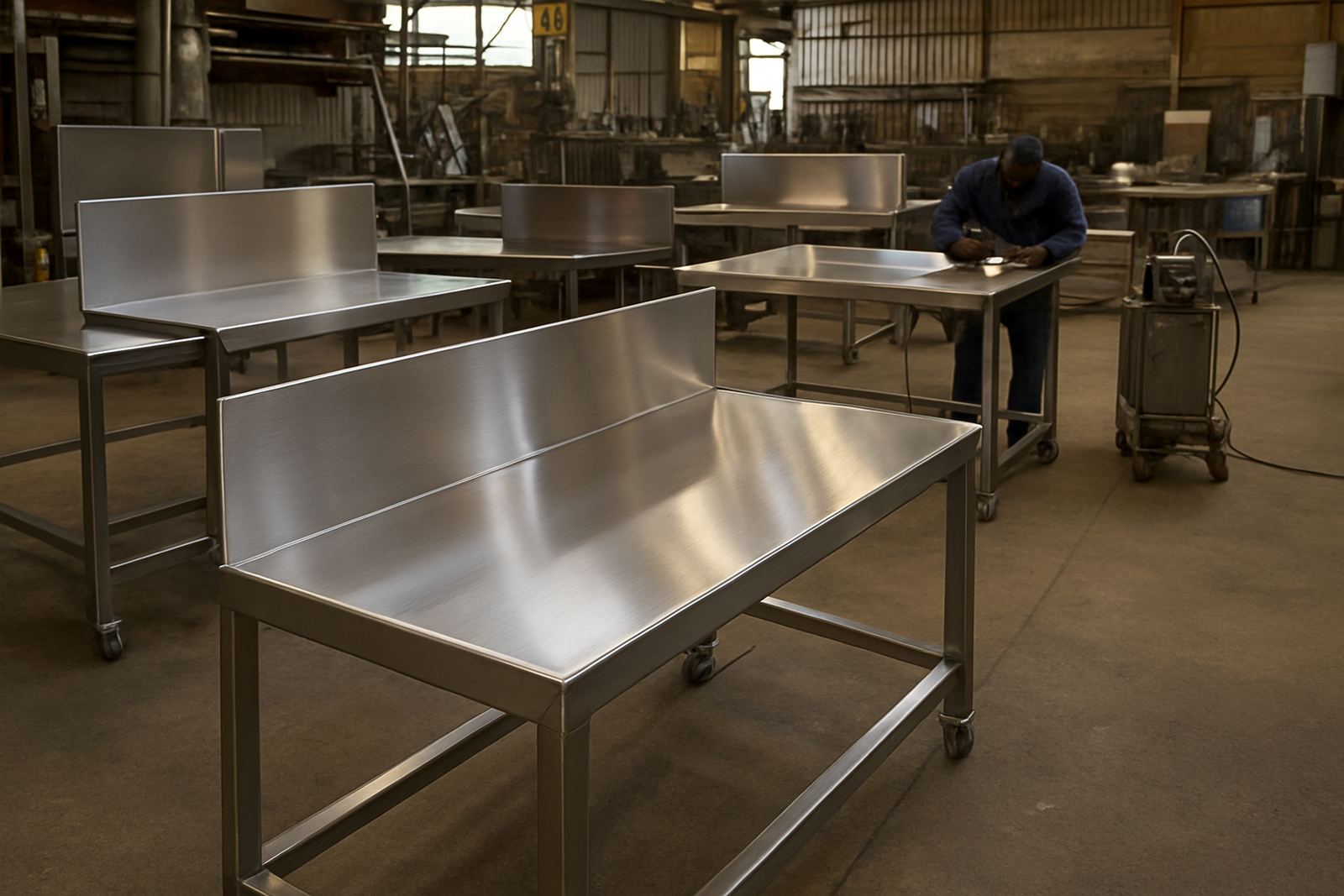
The client was a stainless steel fabricator in Boksburg making kitchen counters, prep tables, splashbacks and wash-up units for restaurants, takeaways and canteens around Ekurhuleni. Their old method was dependable enough for heavier work, but the finishing stage was slow. Every visible seam meant more grinding, more heat marks, and more time at the polishing bench.
The brief was straight forward: reduce finishing time, keep welds neat on thin-gauge stainless, and make the process easier for a mixed team of experienced welders and newer operators. They also wanted a setup that could cope with load-shedding and still be practical in a workshop where production changes fast during the week.
- Material: stainless steel sheet and tube, mainly 1.2 mm to 2.0 mm
- Products: counters, splashbacks, sinks, shelves and frames
- Problem: too much post weld dressing on visible joints
- Goal: cleaner welds with less distortion and less rework
Site constraints and workshop conditions
The job had a few real-world limits. The workshop runs close to the Boksburg industrial belt, so stock arrives in bursts and the floor space is not unlimited. Machines have to be easy to move around the bay, and operators need equipment that does not punish them when a day starts early and finishes late. The client also asked for a process that would be useful on both flat sheet work and tight internal corners.
Because the fabricator handles food-grade equipment, the weld finish mattered as much as the strength. On splashbacks and front panels, customers can see every mark. That meant we had to set the process up for controlled heat input, neat bead profile, and consistent penetration without blowing through thin sheet. It also had to suit the stainless grades they use most often in kitchen fabrication.
- Workshop environment: mixed fabrication bays with regular movement of jobs
- Power planning: worked around local outage risk and backup supply planning
- Finish requirement: clean visible welds with minimal discoloration
- Operator need: simple settings that could be repeated across shifts
What was supplied and how it was commissioned on site
We supplied a handheld fibre laser welding system sized for stainless fabrication work, with suitable torch setup, wire feed support, protective gear guidance and a practical start-up package. The machine was commissioned in Spartan, Kempton Park, then moved through to the Boksburg workshop for handover and testing. We checked fitment, beam delivery, shielding requirements and working procedures before the team started production use.
The system was set for the kind of work the client does most often: thin-gauge stainless joints, corner seams, lap joints and visible external runs. We also helped them standardise a few repeat settings so operators could switch between parts more confidently. The team wanted something that would not need constant tinkering and that part was important.
- Equipment type: handheld fibre laser welder for stainless fabrication
- Typical material range: 1.2 mm to 2.0 mm stainless steel
- Use cases: counters, splashbacks, sinks, shelves and support frames
- Setup support: commissioning, operator guidance and weld trials
We also spent time on gas use, joint prep and cleaning before welding. Small changes there made a real difference to the result. A clean edge, proper clamping and steady travel speed meant the team could get a better finish without having to chase defects later.
Training the team on production work
Training was done in the workshop rather than in a classroom, because that is where the problems show up. Tshegofatso Ramaboa led the operator session, with Reuben Daniels handling applications support and practical weld testing. The goal was not only to show the machine controls, but to show how to use it on the actual jobs the client builds every week.
We covered daily start-up checks, safe handling, joint preparation, pattern control and how to avoid distortion on long runs. We also worked through visible finish standards for front-facing panels and splashbacks. A few operators picked it up quickly, while others needed a second round of coaching on movement speed and torch angle. That is normal. The point was to get everyone to a level where the machine could be used across shifts without one person holding all the knowledge.
- Training focus: setup, travel speed, torch angle and finish quality
- Support: hands-on trials on real kitchen items
- Outcome: operators could move from test pieces to production parts with confidence
- Added value: refresher notes for later use by the workshop foreman
Timeline from first test to rollout
The project ran over three weeks from first contact to full production use. Week one was the needs assessment and sample evaluation. Week two covered commissioning, testing and operator training. Week three was production rollout with process optimisation on real jobs, including a few corrections to improve bead appearance and reduce dressing time even more.
The timeline suited the client because it did not pull the whole workshop off the floor. We worked around active orders and kept the rollout staged. That meant the team could keep building while learning the new process. It also gave us time to adjust for the actual way they fabricate, not just for ideal test conditions.
- Week 1: review of work pieces, material thicknesses and finishing problems
- Week 2: machine commissioning, weld trials and staff training
- Week 3: production rollout, process optimisation and follow-up support
- Total: 3 weeks from assessment to active use
The client appreciated that the change was practical rather than disruptive. By the end of the third week, they were already using the system on counters and splashbacks that would previously have needed heavier post weld work.
Results on counters and splashbacks
The biggest result was a drop in finishing time. On visible stainless parts, the team spent less time grinding and blending welds, which pushed more of the day back into actual production. The welds were cleaner straight off the torch, with less heat spread and less distortion on thin sheet. For kitchen shop work, that matters because the customer sees the front edge first, not the back of the unit.
The client also noticed better repeatability between operators. Once the settings were dialled in, the same job could be handed across shifts with less variation. That reduced rework and made planning easier when orders changed. In practical terms, the workshop could quote with more confidence because the finishing stage was no longer such a large unknown.
- Less time spent on finishing and polishing
- Cleaner visible welds on splashbacks and counters
- Reduced distortion on thin stainless sheet
- More repeatable results between operators
For a Boksburg fabricator supplying busy food-service sites, that kind of improvement is worth a lot. It helps with lead times, presentation and margin. It also takes pressure off the welders when the month gets busy and the schedule starts tightening up.
What mattered most on this Boksburg kitchen shop job
If we were doing the same type of kitchen shop rollout again, we would keep the same approach: test the actual parts first, train on real jobs, then tune the process in the workshop. That gave the client better results than a generic setup would have done. We would also keep the short follow-up check after rollout, because a few small changes in clamping, torch motion or cleaning can still improve output a lot.
For kitchen equipment fabricators in Boksburg, Germiston, Jet Park or elsewhere in Ekurhuleni, the key is not just buying a machine. It is setting the process around the work you do every day. That includes the joint prep, the operator habits, the finishing standard and the way the team handles power interruptions and production pressure.
- Repeatable start-up and shutdown routine
- On-site trials using current production pieces
- Operator training tied to real workshop duties
- Follow-up support after the first jobs run through
That is the approach we would take again, and it is what made this project work for the client. Less grinding, cleaner presentation and a faster path from cut metal to finished kitchen equipment. Simple, but effective.
Key facts
| Client type | Catering equipment fabricator in Boksburg |
|---|---|
| Primary items | Counters, splashbacks, sinks, shelves and frames |
| Material range | 1.2 mm to 2.0 mm stainless steel |
| Solution supplied | Handheld fibre laser welding system |
| Timeline | 3 weeks from assessment to rollout |
| Support delivered | Commissioning, training, testing and process optimisation |