What the Edenvale team needed
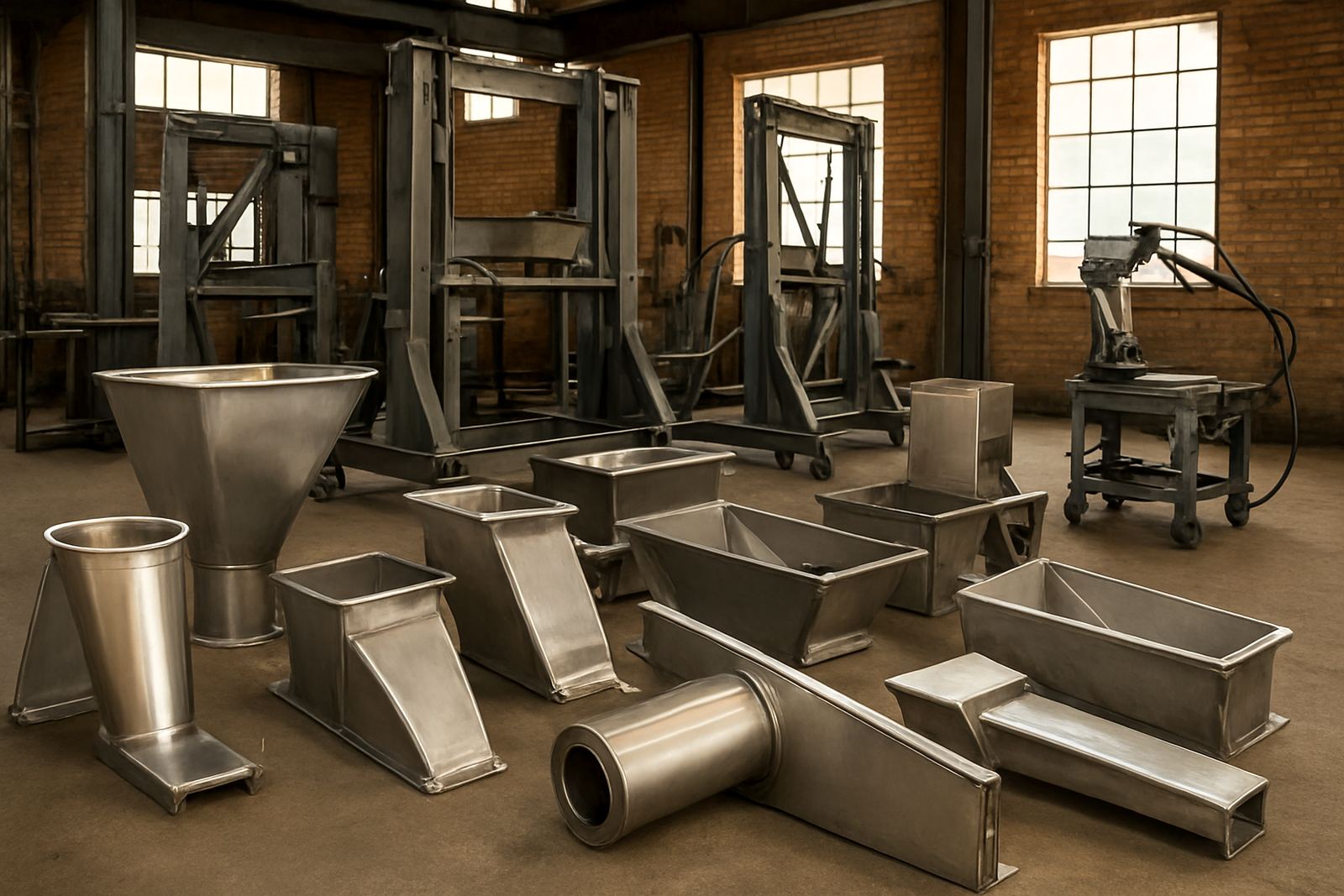
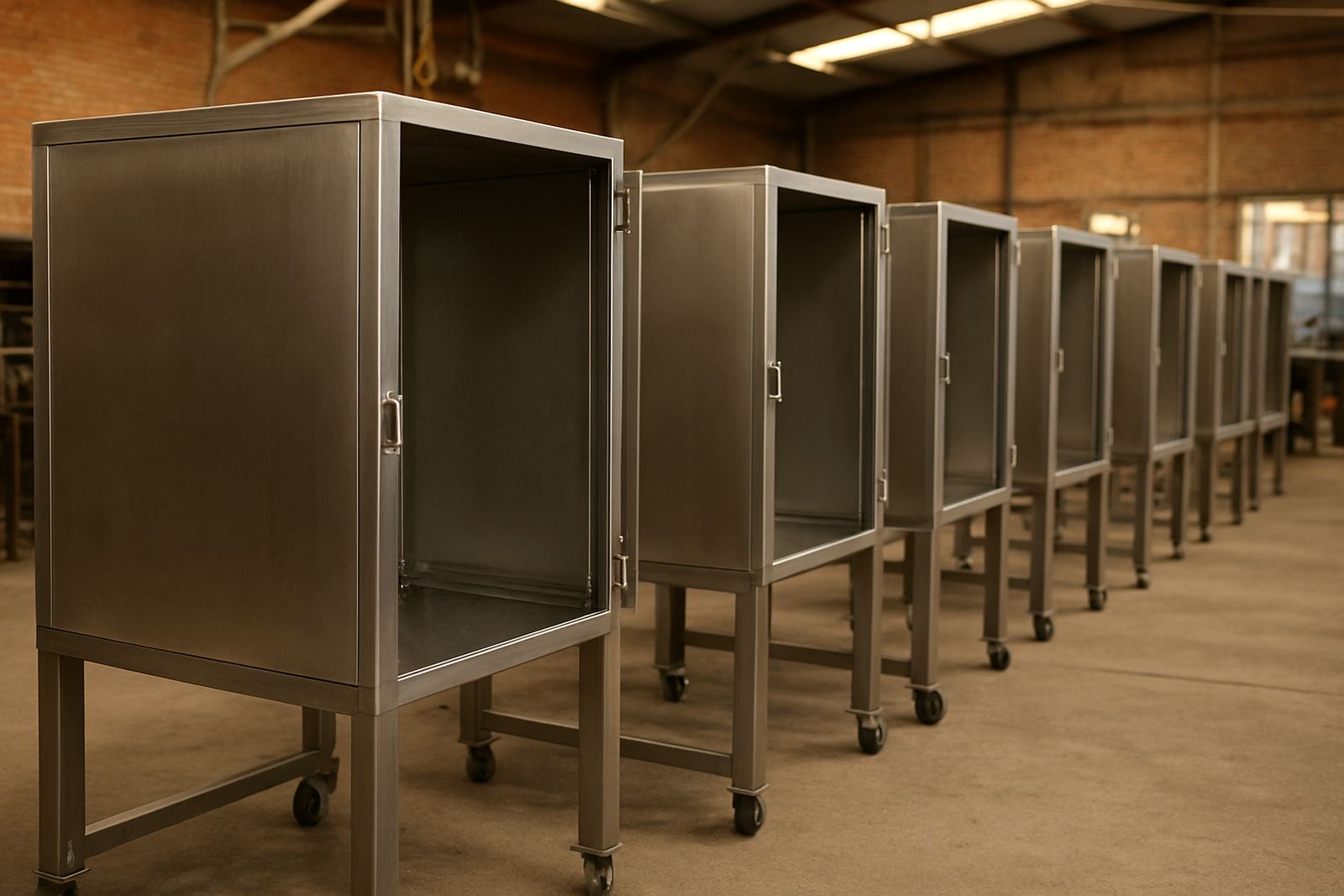
The client is a stainless enclosure fabricator in Edenvale supplying cabinets and housings for electrical and industrial use. Their main challenge was not making the boxes, it was keeping the corner welds neat enough for visible panels, while still getting enough strength for daily handling, transport, and onsite installation.
The brief was simple on paper: improve corner quality, reduce grind-back, and standardise the finish across repeat jobs. They were working with varying sheet thicknesses, mainly 1.2 mm to 2.0 mm stainless steel, with tight access on internal corners and lid frames. They also needed a process that could cope with changing job loads, since production often shifted quickly between small custom runs and larger repeat batches.
Because the workshop is in Edenvale, space was limited and the work had to fit around normal production. The team needed a solution that would not slow them down during load shedding or create a long setup time every time a new box size came through the door.
Why handheld fibre laser welding suited the job
Traditional TIG had been giving acceptable strength, but it was taking too long on finish-sensitive work. The client wanted cleaner joins with less distortion and fewer passes, especially on mitred corners and narrow return flanges. Handheld fibre laser welding gave them the precision they needed, with low heat input and a neater bead profile straight off the tool.
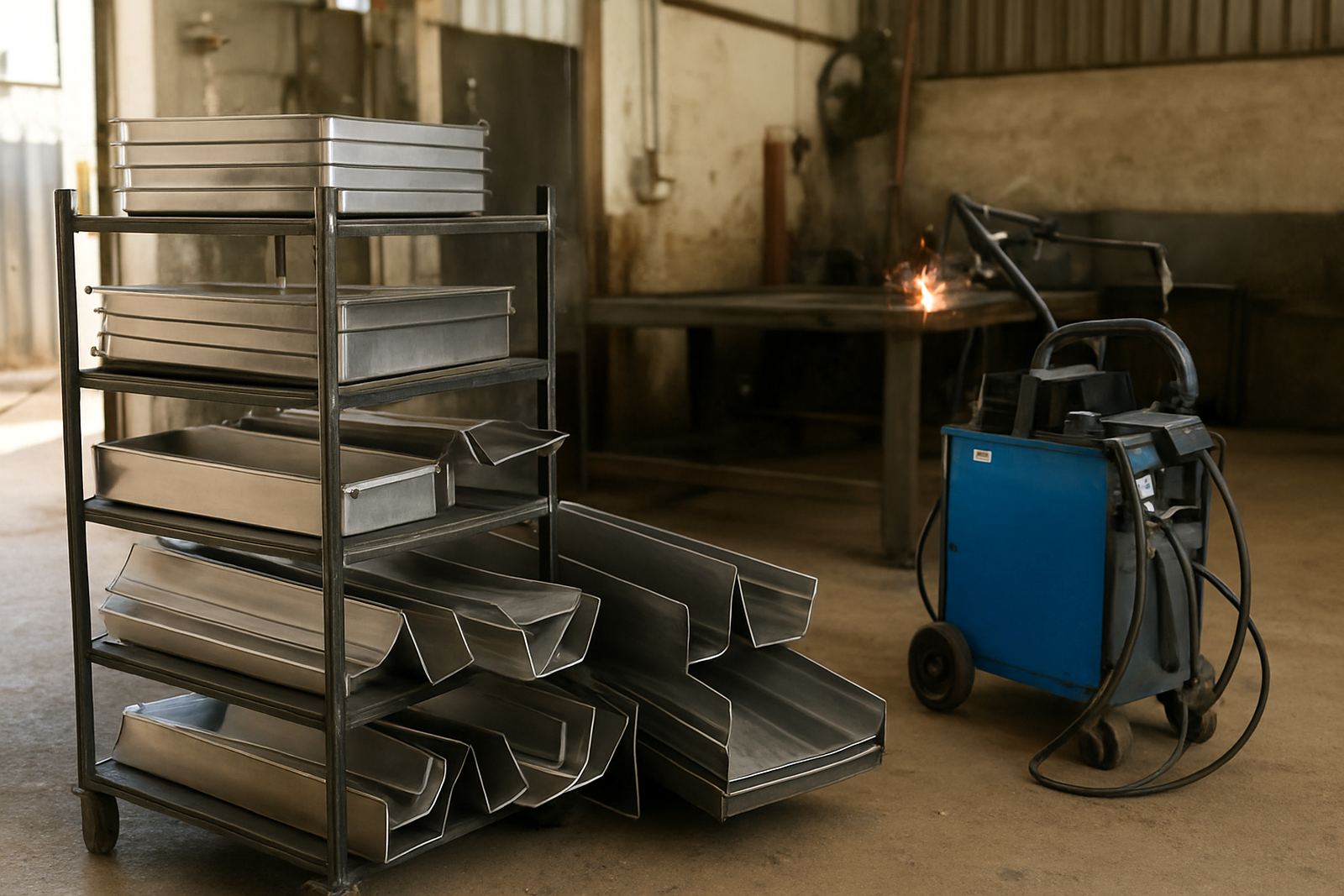
For this project we specified a handheld fibre laser welder suited to stainless fabrication, with a compact torch head, stable power delivery, and settings that could be adjusted for thin material and small fillet joints. The setup was matched to the workshop layout and the type of parts they run most often.
- Material focus: stainless steel enclosure work
- Typical thickness range: 1.2 mm to 2.0 mm
- Joint types: corner joints, lap joints, small fillet welds
- Key need: tidy visible welds with minimal post-finish work
We also looked at heat control, because the boxes included close-fitting doors and panels that could pull out of square if the weld input was too high. That sort of movement causes real grief on assembly and a small wobble in one corner becomes a bigger problem by the time the hinges go on.
Workshop setup and commissioning in Edenvale
We delivered the machine to the Edenvale site and carried out commissioning at the workshop. That included checking the power supply, confirming operating parameters, and setting up the machine for the team’s usual enclosure sections and frame sizes. The workshop was already organised for sheet metal work, so our job was to slot the welder into the existing flow without creating stoppages.
Commissioning took place over the first week, with setup checks, test welds, and adjustment of travel speed, wire feed where needed, and focus for different joint types. We also worked through the practical side of day-to-day use, like nozzle care, lens protection, and how to keep the unit ready when production starts after a power interruption.
- Week 1: delivery, installation, and commissioning
- Week 1 to 2: test welds on sample corners and production offcuts
- Week 2 to 3: operator familiarisation on live jobs
- Week 4: process sign-off and production handover
Because the client runs repeat work, consistency mattered as much as speed. We made sure the process notes were practical, not complicated, so the team could apply them on a Monday morning and still get the same result on a Friday afternoon.
Training the operators and setting repeatable standards
Our training covered the people who actually handle the daily welds, plus the supervisor who signs off the finished enclosures. The aim was to keep the process simple enough for repeat production, while still leaving room for finer control where the job demanded it. Tshegofatso Ramaboa led the training with support from Reuben Daniels on application settings and joint behaviour.
We worked on fit-up first, because laser welding is only as good as the prep in front of it. If the corners are open or the clamp-up is poor, the weld can only do so much. Once the prep was sorted, the team moved onto speed, angle, and torch positioning so they could get the same result across multiple box sizes.
- Operator training on safe setup and use
- Joint preparation for mitred stainless corners
- Setting a repeatable weld sequence for batch work
- Basic fault-finding for poor alignment, surface contamination, and heat pull
The first few runs showed that the laser process cut down on visible heat tint and made the corners easier to clean up. That meant less grinding, less polishing, and a faster move from welding to final assembly. It also helped the team keep a cleaner shop floor around the welding station.
Results on the first production runs
Within three weeks, the Edenvale team was producing tidier corners and more even results from one enclosure to the next. The most noticeable improvement was consistency. The same operator could repeat the same corner on a different box size without chasing the finish by hand afterwards.
The client reported stronger confidence in visible welds and less time spent correcting distortion on doors and frames. The boxes came out squarer, and the fit-up at final assembly improved because the heat input was lower and more controlled. That saved time not only at welding, but also at hinge fitment, latch setting, and final inspection.
From a production point of view, the workshop gained a process that suits both small custom jobs and regular repeat orders. That matters in Edenvale, where many fabricators are balancing short lead times with customer inspections and site-specific dimensions.
A few practical gains stood out:
- Cleaner corner appearance on stainless boxes
- Less grind-back after welding
- More consistent results between operators
- Reduced distortion on thinner sheet sections
- Faster turnaround on repeat enclosure runs
The real value was not just a neater weld. It was the fact that the whole job moved through the shop more smoothly, with fewer corrections before dispatch.
What we would repeat on the next enclosure line
If we were doing the same type of enclosure job again, we would start with sample corners before full production and agree the target finish with the client’s inspection team. That way the weld sequence, speed, and clamp-up are set against the actual part, not just a drawing.
We would also keep the training close to the machine and tied to the most common box sizes, because that is what gives the fastest payback. For a workshop that works under mixed loads, it helps to have a process that is quick to relearn after a changeover, and a machine that does not need a lot of fiddly resetting.
For this Edenvale project, the combination of commissioning, training, and hands-on process support was what made the difference. The machine alone would not have fixed the corner quality. The result came from matching the setup to the work, then showing the team how to keep it there.
That is the approach we would take again for any stainless enclosure manufacturer in Gauteng who needs neater corners, steadier output, and less time lost on rework.
If your shop is in Edenvale, Kempton Park, Germiston, or anywhere else in South Africa, we can help with demos at your premises and training that fits your production schedule.
Key facts
| Client type | Stainless enclosure manufacturer |
|---|---|
| Town | Edenvale, Gauteng |
| Main material | Stainless steel |
| Material thickness | 1.2 mm to 2.0 mm |
| Timeline | 4 weeks from commissioning to handover |
| Outcome | Tidier corners, stronger consistency, less rework |