What the workshop in Isando needed
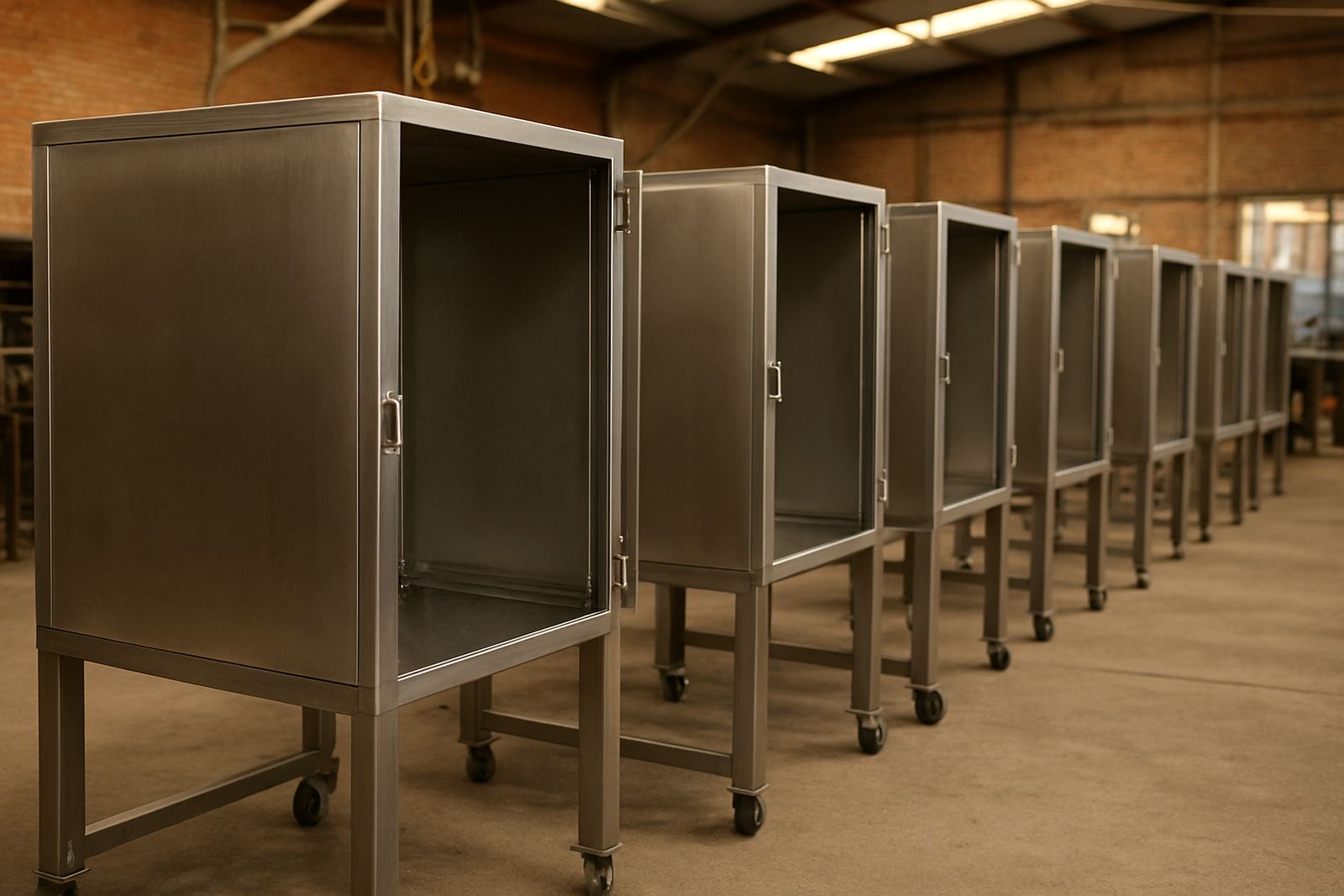
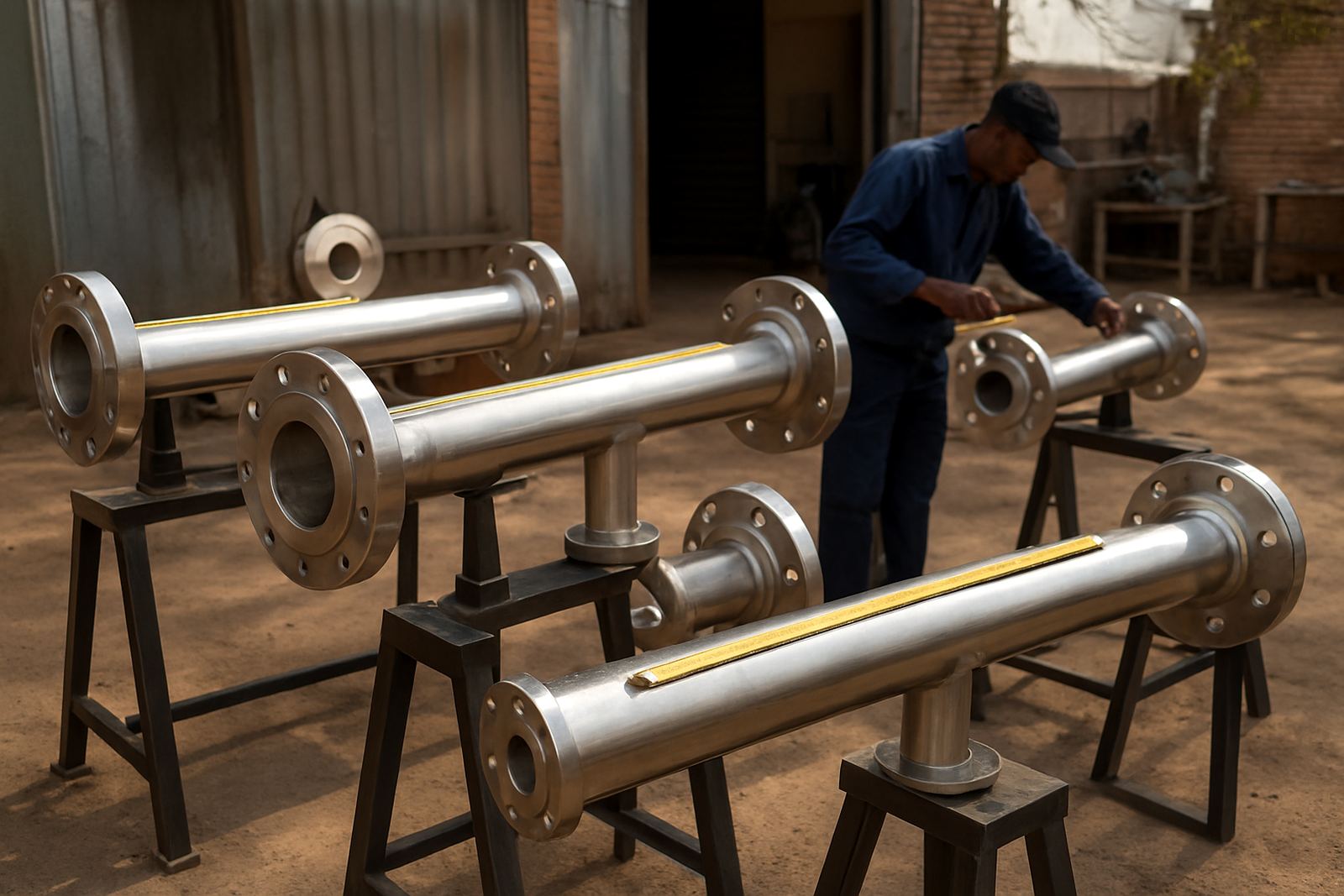
The client was a stainless fabrication workshop serving process and piping jobs in the Isando and Kempton Park area. Their team was already producing pipe spools, branch take-offs and small fabricated assemblies, but TIG work was taking time and the finishing after welding was adding labour on every shift.
The brief was to test whether handheld fibre laser welding could handle their common stainless work without slowing production. They wanted neater welds on visible joints, less heat input on thinner material, and a process that could be learned by operators without weeks away from the floor. Because the workshop works to scheduled dispatches, any new method also had to fit around live production and load-shedding planning.
We agreed to start with a controlled test on typical jobs, then review fit-up, bead profile, distortion and cycle time before moving any further.
Material mix, fit-up and site constraints
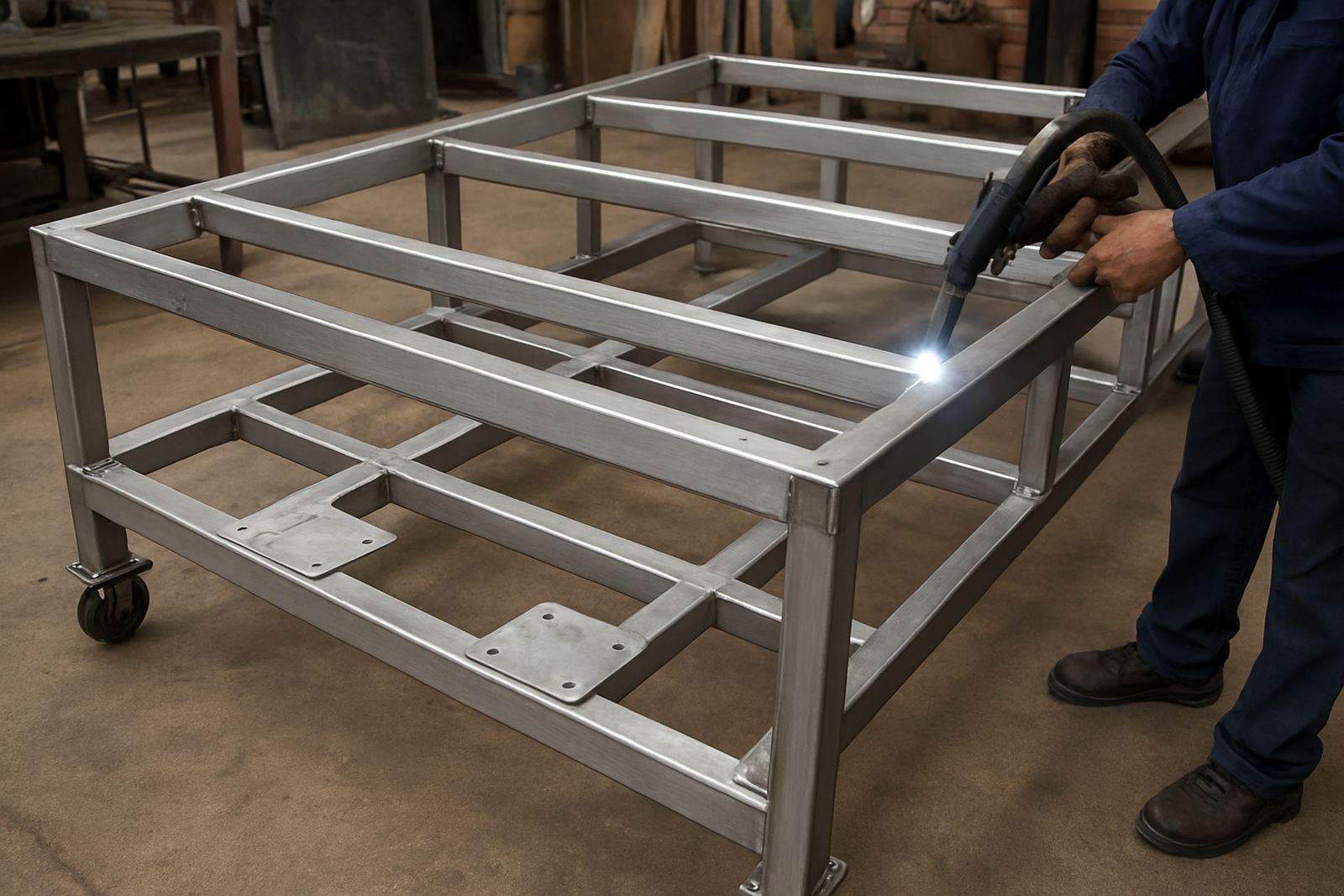
The test pieces included 304 and 316 stainless branch connections, short pipe runs and small bracketed assemblies. Wall thicknesses ranged from 1.2 mm to 3.0 mm, with a few heavier sections used for comparison. The workshop wanted to see how the machine behaved on both clean fresh-cut material and on parts that had been handled, tacked and moved around the shop.
Space was limited, so the setup had to be compact and mobile. The work area was also affected by normal plant conditions such as airborne dust, intermittent power interruptions and the need to keep walkways clear for material handling. Since the client sits close to busy industrial roads in Ekurhuleni, deliveries and service calls also had to be arranged around traffic and access control.
- Stainless steel branch connections and small spools
- Thin wall sections where distortion had to be controlled
- Mixed fit-up quality, from fresh prep to typical workshop handling
- Live production environment with limited floor space
The machine setup and weld trial
We supplied a handheld fibre laser welding unit suitable for stainless fabrication work, with fibre delivery to the torch, adjustable power settings and a cooling system sized for workshop duty. The demo unit was configured for fine control on thin material, with a focus on consistent travel speed and stable penetration rather than aggressive output.
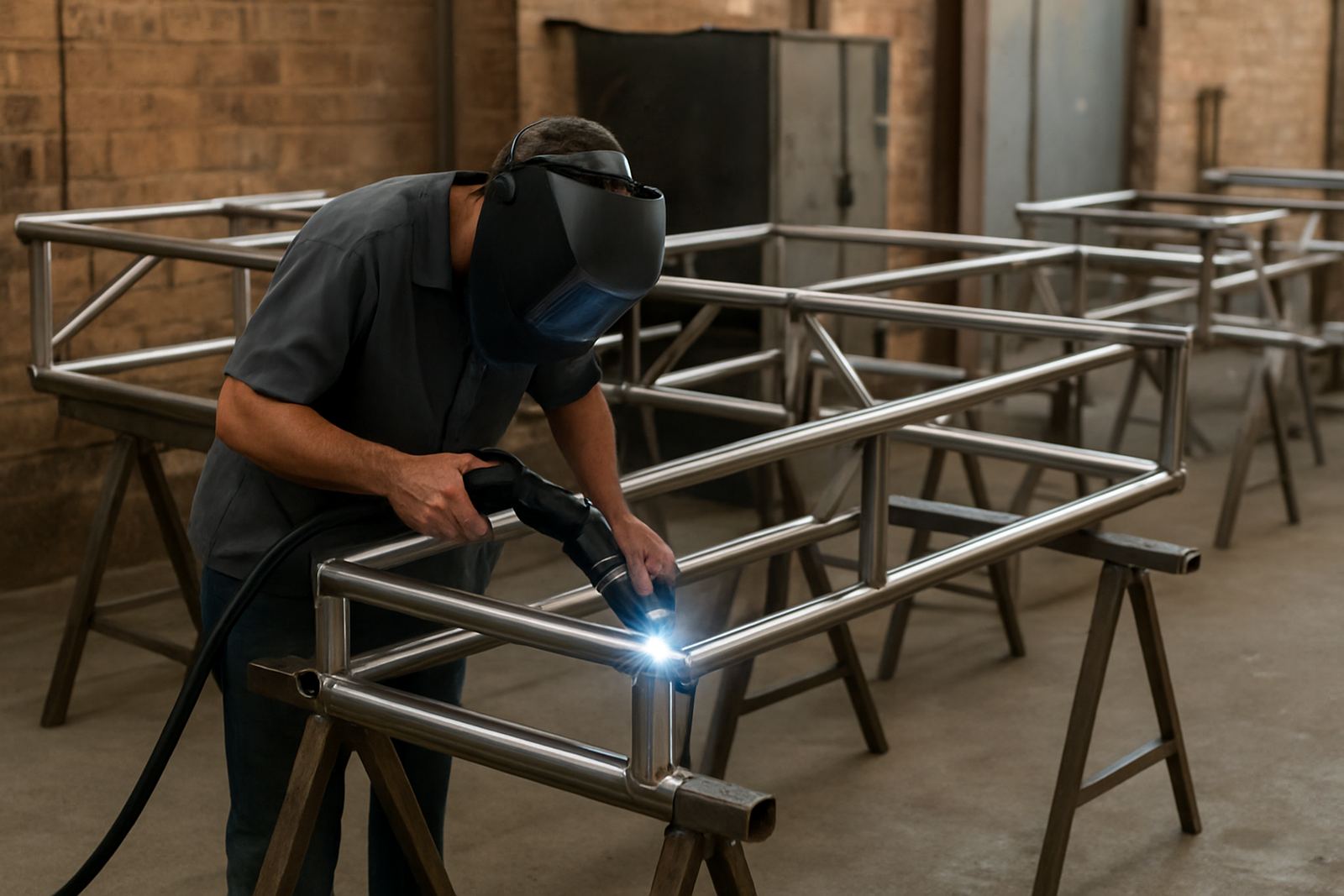
Our team handled machine commissioning, setup checks and operator coaching before the first trial welds. We set up on agreed coupon pieces first, then moved to actual spool sections once the weld sequence was confirmed. The operators were shown how to prepare edges, maintain torch angle, and keep the seam clean enough for laser work. The training also covered shielding gas use, seam access, and what to watch for when welding around branch necks and tight corners.
On the first day the workshop team saw how fast the process could be once the joint prep was right. The bead was narrow, the heat affected zone stayed small, and post weld cleaning was reduced on the better joints.
Training, support and process optimisation
We spent the second week refining settings with the team and adjusting the process for their most common joint types. That included checking travel speed, power balance and nozzle position on both flat and curved surfaces. Where the fit-up varied slightly, we showed the team how to compensate without overcooking the joint.
Our National Training Lead and applications technician worked with the welders on the floor, while technical sales and service support kept the machine side sorted. The workshop also asked for practical guidance on day-to-day use, so we covered cleaning routines, lens care, consumable checks and basic fault finding. For a busy pipe shop, that support matters as much as the welding itself.
- Operator training for day shift and afternoon shift staff
- Refresher coaching on branch joints and small assemblies
- Process optimisation for speed, bead profile and reduced distortion
- Remote help for settings questions between visits
Results after the three week trial
By the end of the third week, the workshop had enough data to compare the laser process with their existing method. On suitable joints, the team was completing welds faster and spending less time on dressing and clean up. Distortion was lower on lighter sections, which helped keep spools square and reduced the need for correction during final fit-up.
The biggest gain was consistency. Once the operators were comfortable with the torch handling, the bead appearance stayed more uniform from job to job. That made it easier for the foreman to allocate work and easier for the inspection team to sign off completed pieces. For a workshop working to contract deadlines, that predictability can save a lot of pressure during the week.
There was also a practical benefit in the shop. Less grinding meant less noise, less dust and less rework. In a stainless environment that is already dealing with cleanliness requirements, those small gains add up quickly.
What we would repeat on the next spool line
If we were starting the same project again, we would follow the same order: assess the joint mix, test on coupons, then move into live production with a small group of operators first. That approach gave the client confidence without disrupting delivery dates. We would also continue to prioritise fit-up checks because laser welding shows up poor prep very quickly.
For a pipe spool workshop in Isando, the process worked best where the parts were repeatable and the prep was controlled. The same setup would suit stainless fabrication shops in Spartan, Germiston, Boksburg or Alberton where clean welds, tight cycles and controlled distortion matter. For clients with loading constraints or limited welding bays, this is a sensible way to improve throughput without adding clutter to the floor.
If your shop wants to test handheld fibre laser welding on stainless pipe work or small assemblies, we can bring the unit in, train the team and review the job mix against your actual production needs. That is usually the quickest way to see whether it fits your process or not.
Key facts
| Client type | Stainless pipe spool workshop near Isando, Ekurhuleni |
|---|---|
| Project scope | Handheld fibre laser welding trial on stainless branch connections and small assemblies |
| Material range | 304 and 316 stainless steel |
| Thickness range | 1.2 mm to 3.0 mm, with selected heavier test sections |
| Timeline | 3 weeks from initial setup to results review |
| Services used | Commissioning, operator training, process optimisation, weld testing and remote support |